
Types of Fabric for Clothes
This is our fabric library: 147 types of fabric for clothes that we knit, weave, dye and finish for brands. Each one has a photo, a typical weight in GSM and the garments it suits best.
We don’t sell fabric by the metre. We turn it into your garments, from the yarn to the last stitch, in our factories in Portugal.
Cotton Jersey Fabric for T-Shirts and Polos
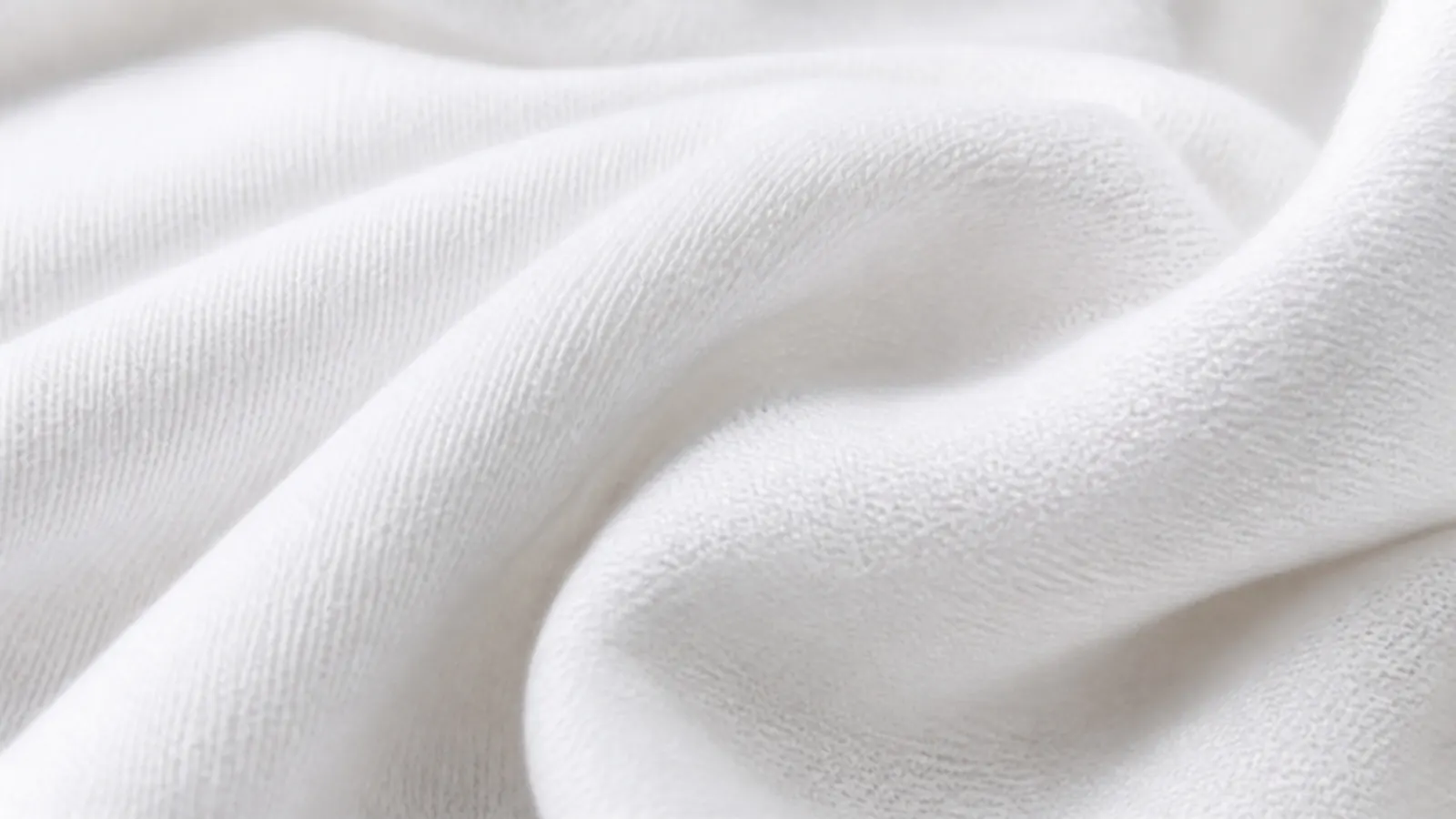
Cotton jersey is the most worn of all types of fabric for clothes. Circular-knitted cotton fabrics: the base of T-shirts, polos, tanks, dresses and loungewear. Knitted loops give natural stretch and a soft hand.
Single Jersey
The classic T-shirt fabric: smooth knit face, looped back, light stretch across the width.
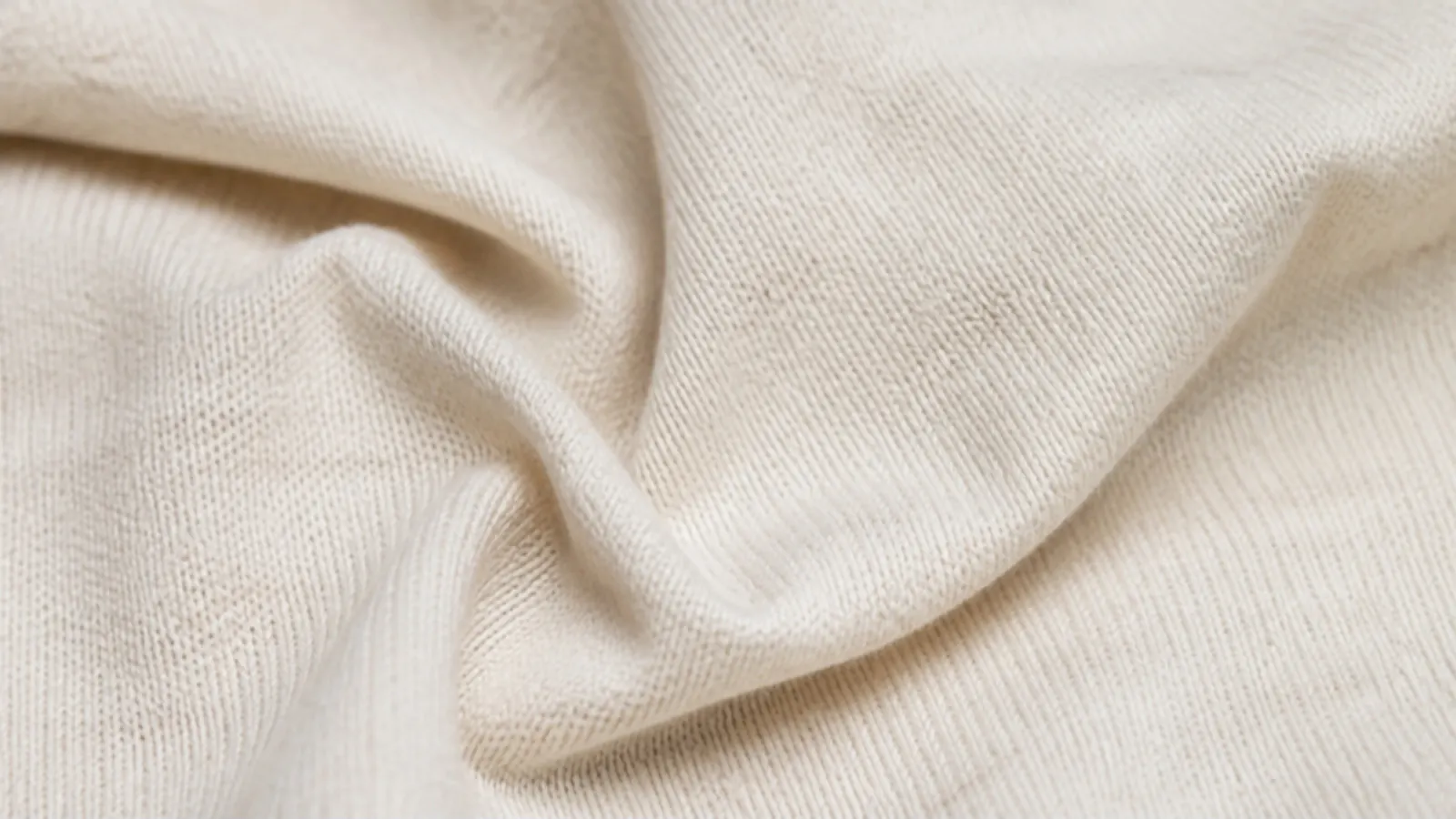
Organic Cotton Jersey
Single jersey spun from certified organic cotton, grown without synthetic pesticides or fertilisers.
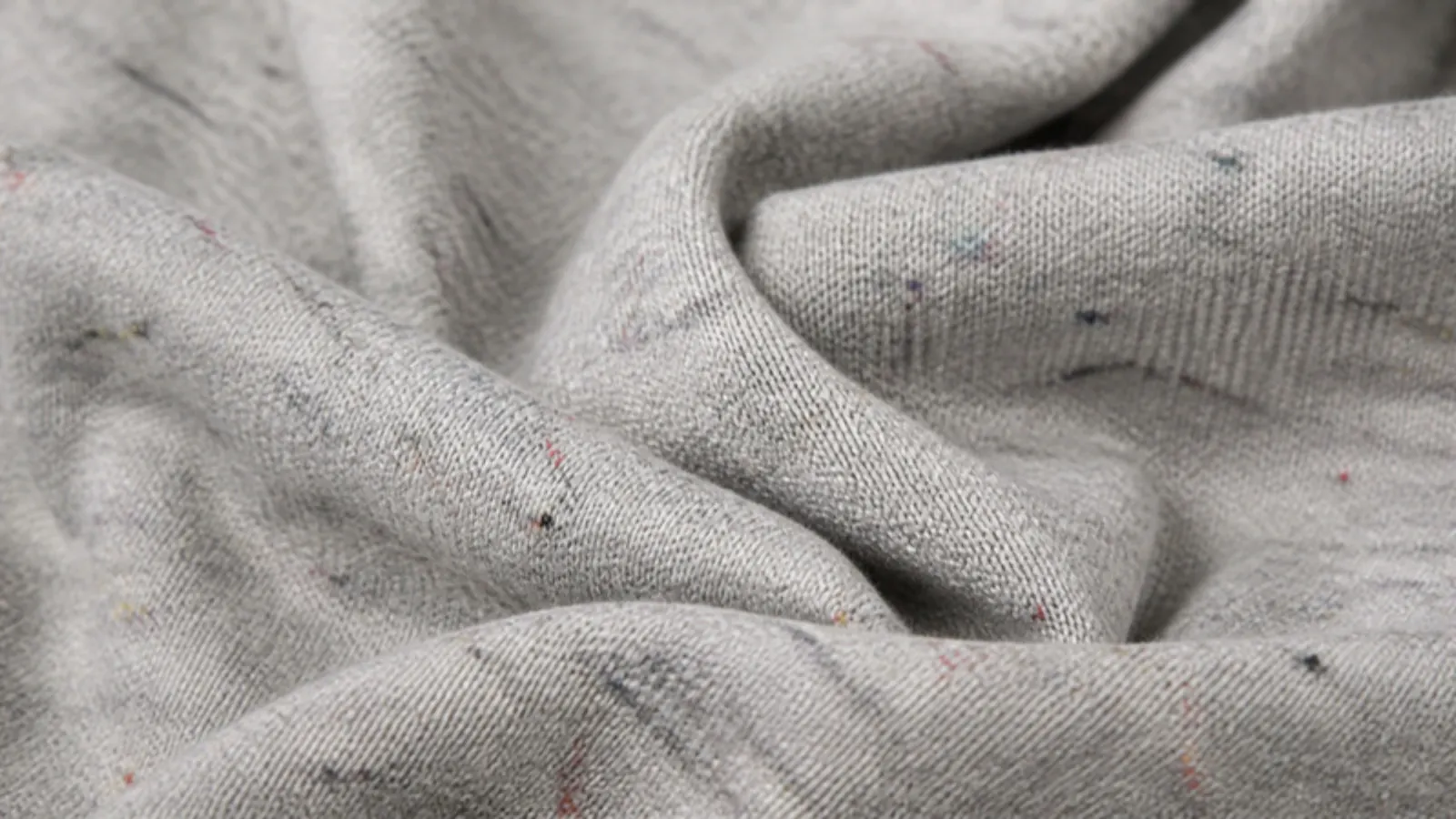
Recycled Cotton Jersey
Jersey with recycled cotton fibre from cutting waste, usually blended for strength. Gives a soft melange look.
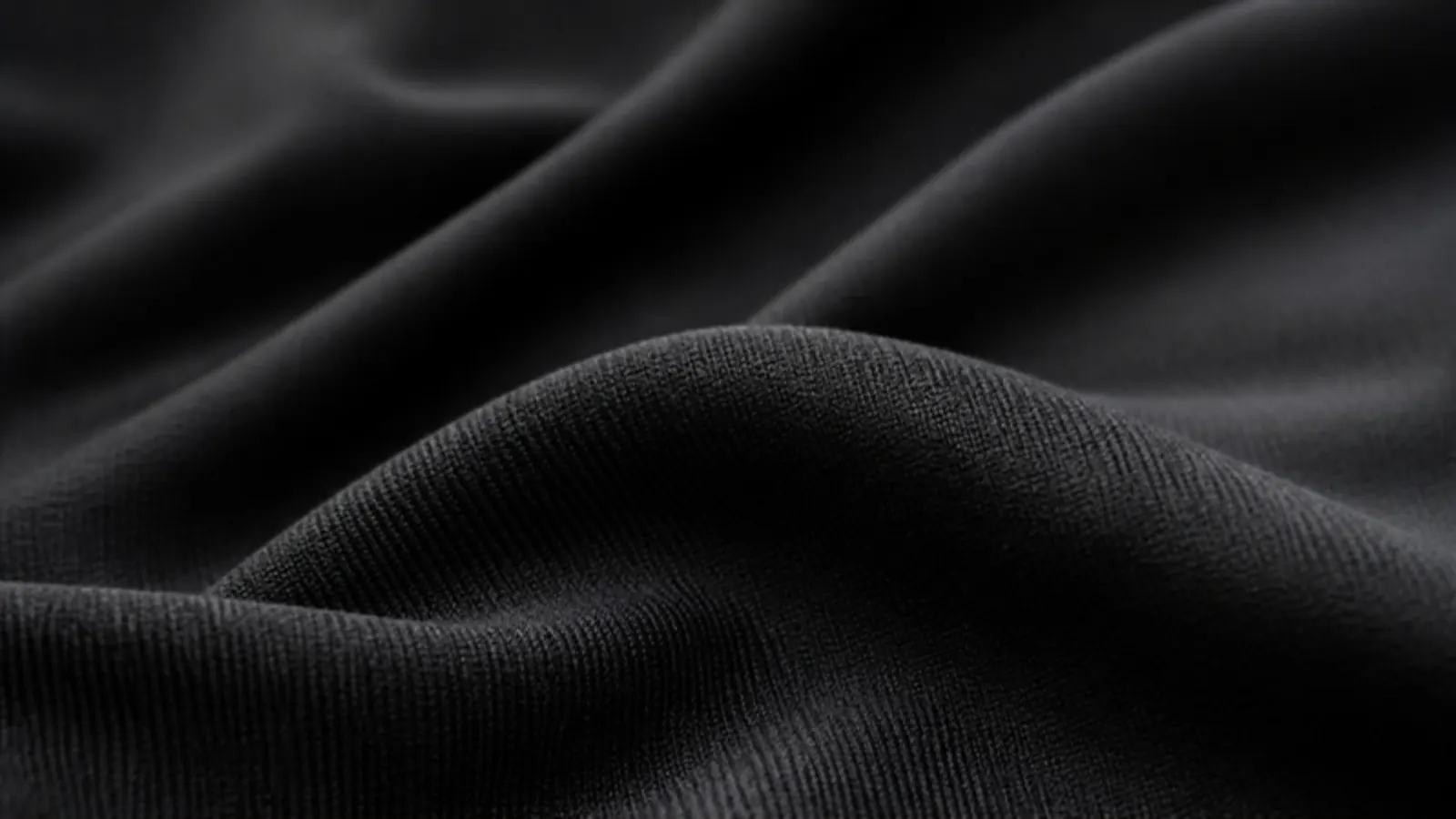
Pima Cotton Jersey
Extra-long-staple cotton for a smoother, silkier jersey that resists pilling and keeps its shape.
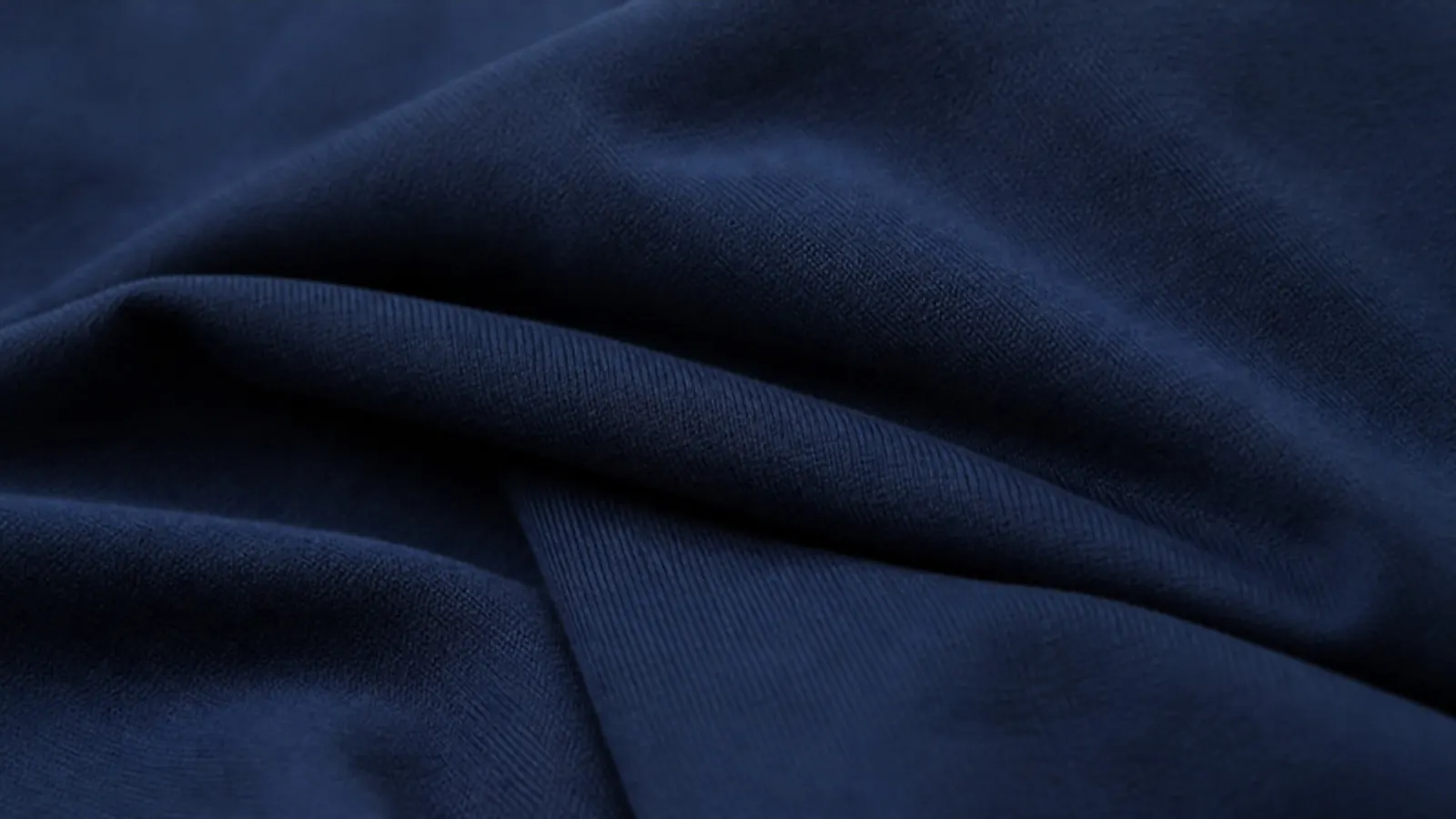
Compact Combed Jersey
Combed, compact-spun yarn removes short fibres for a clean surface, sharp prints and less pilling.
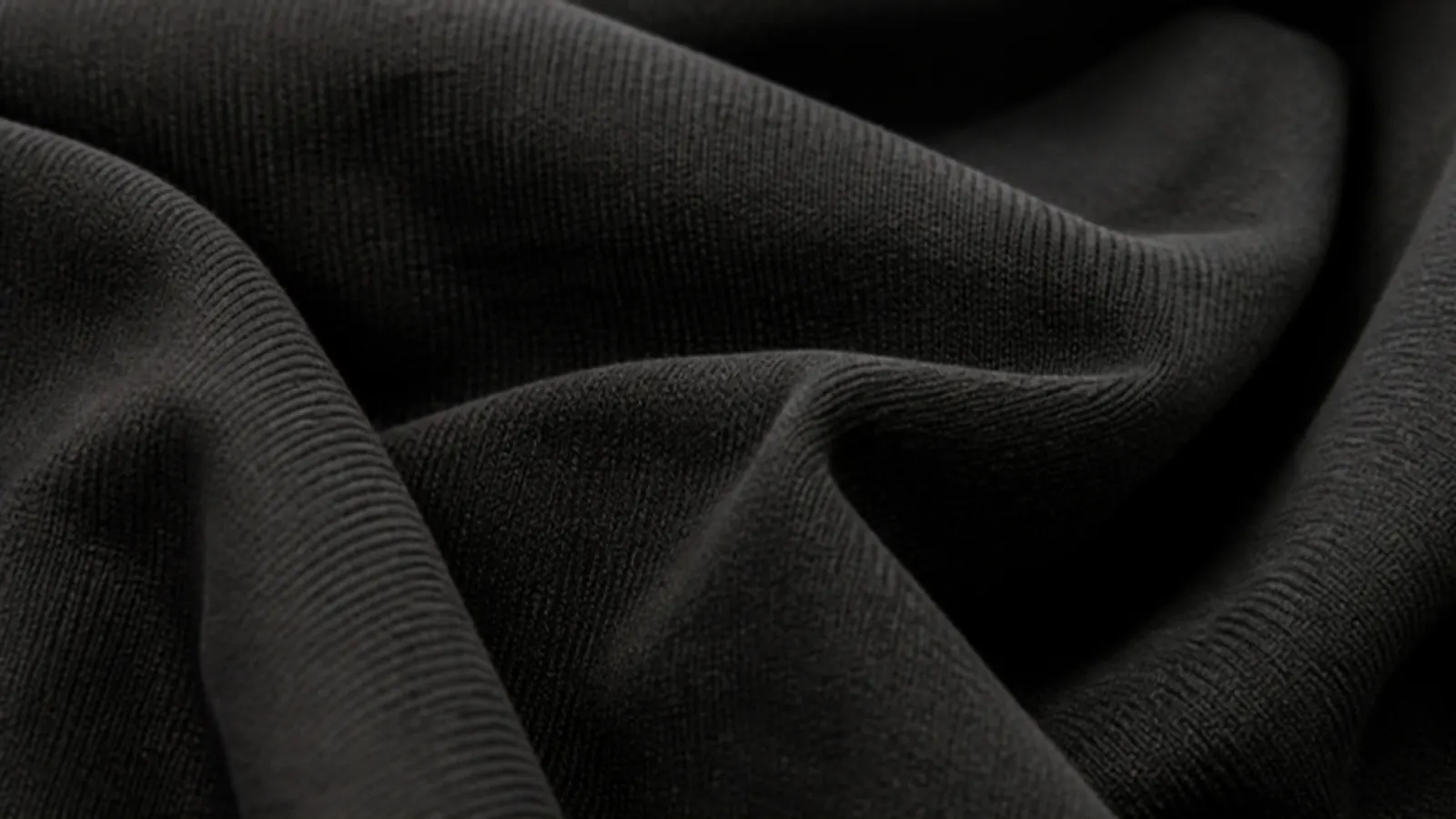
Heavyweight Jersey
Dense jersey with a structured drape that holds a boxy shape. The streetwear standard.
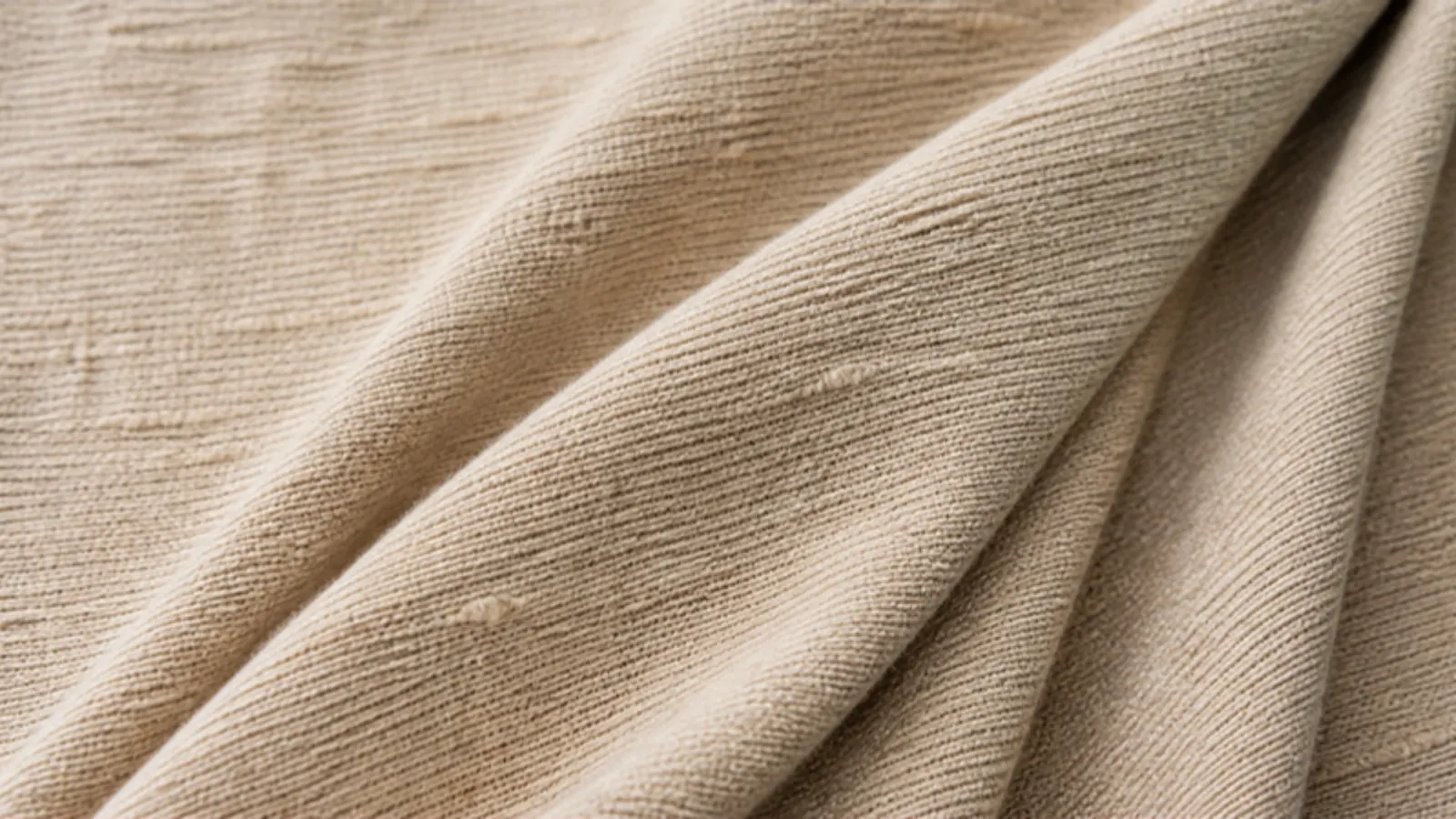
Slub Jersey
Yarn with deliberate thick and thin sections gives an irregular, lived-in texture.
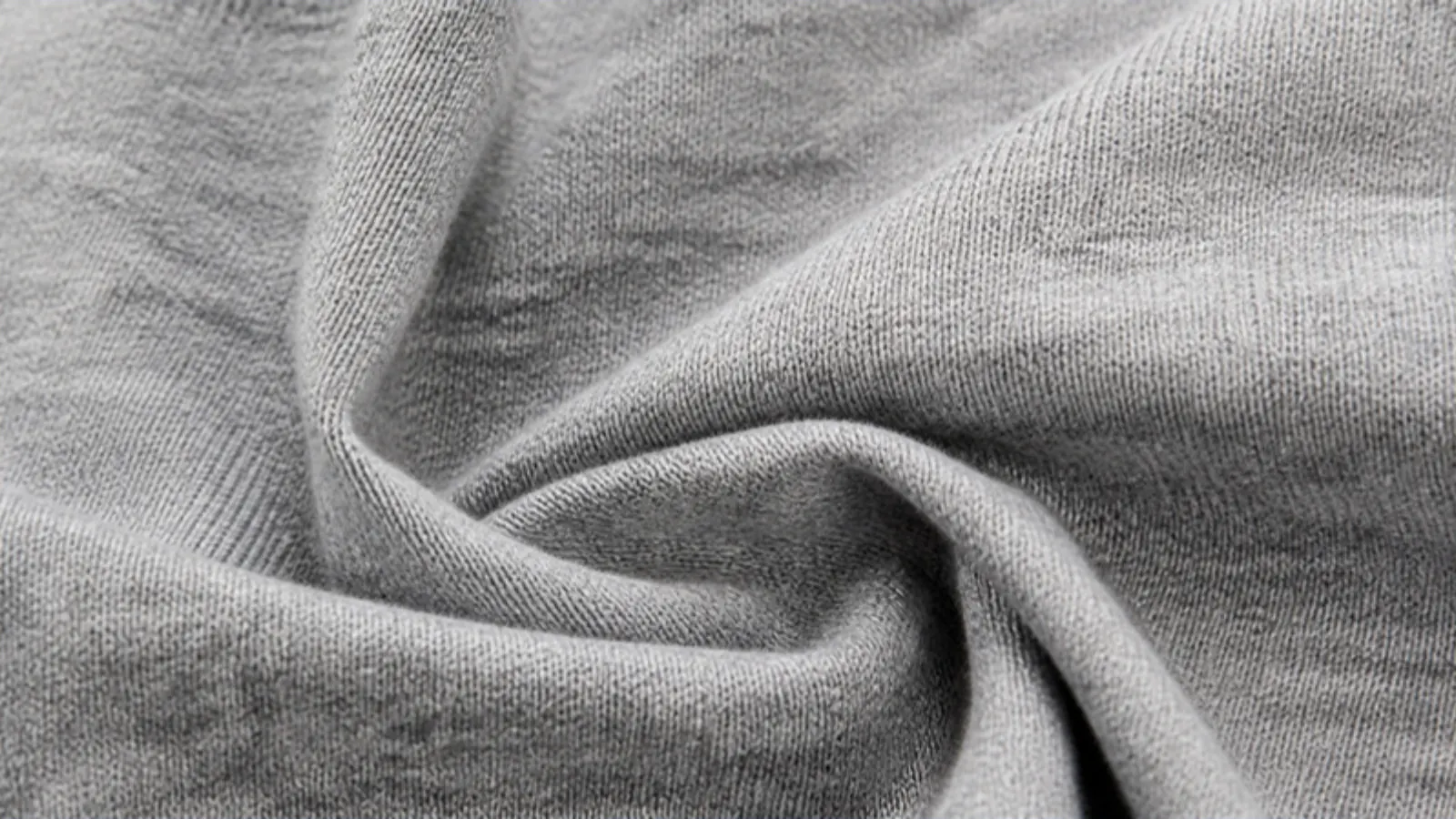
Melange / Heather Jersey
Fibres of different shades spun together for a heathered colour, often with a touch of polyester.
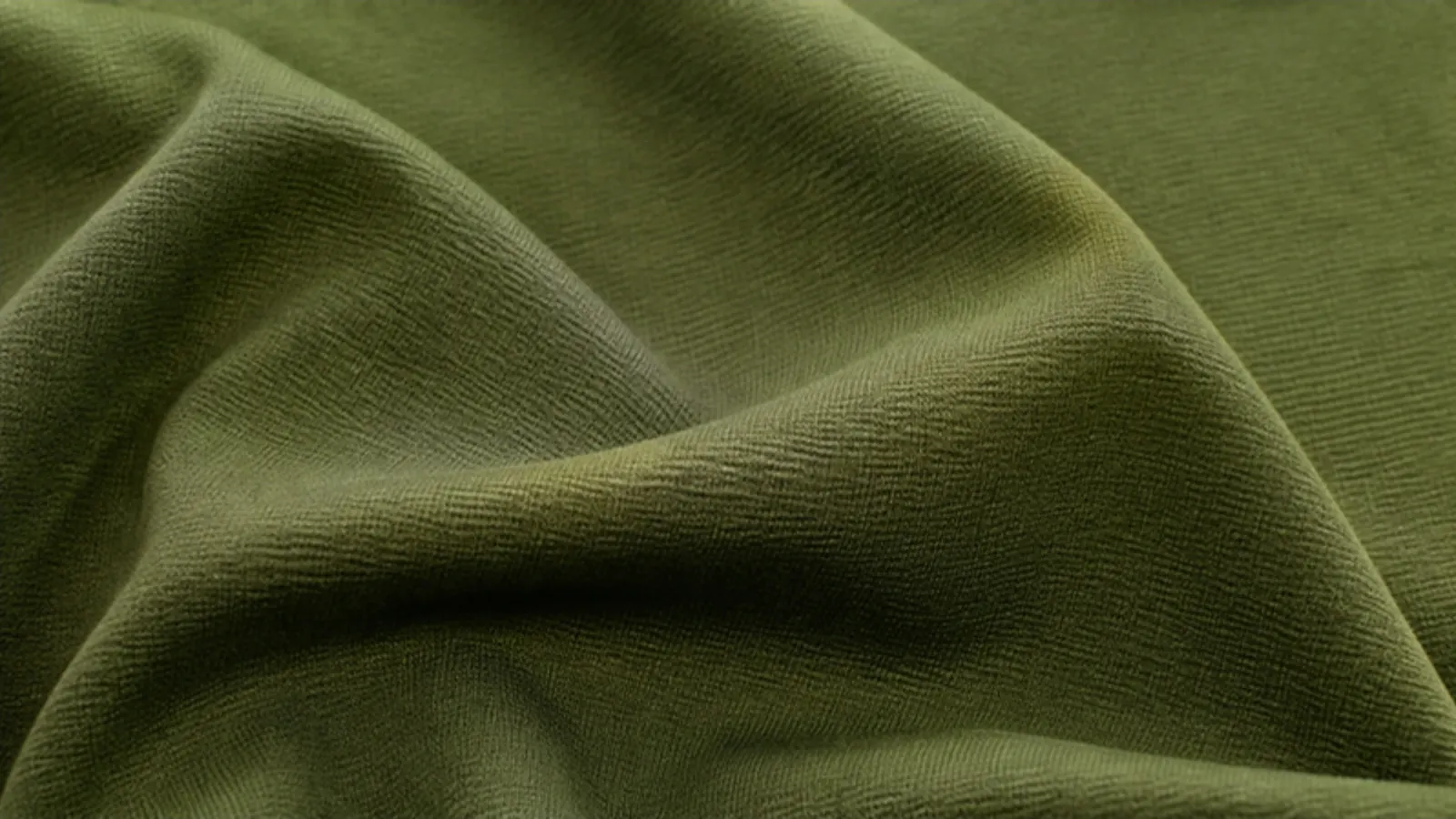
Stretch Jersey
Cotton with 3–8% elastane for recovery and a closer fit.
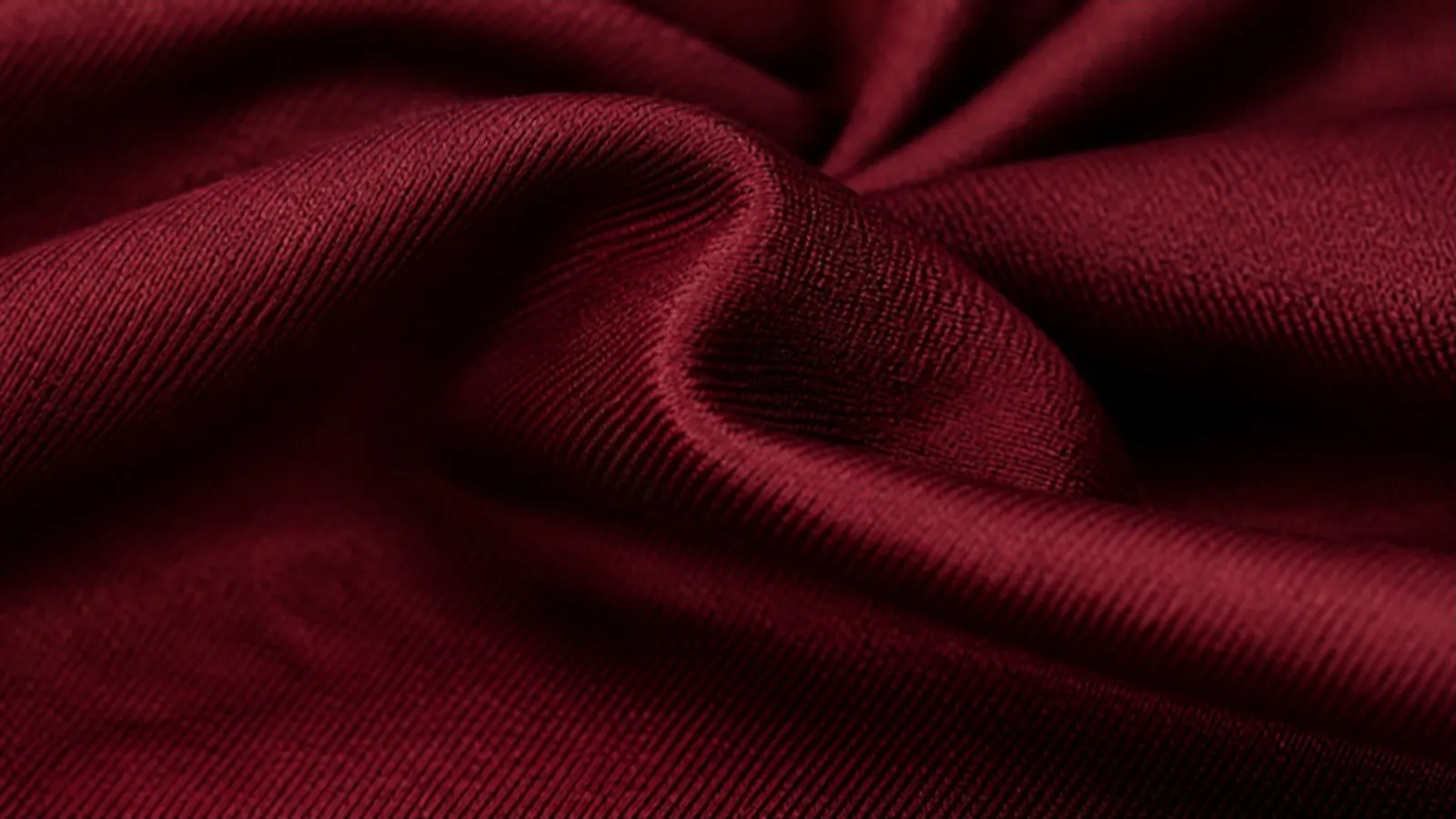
Mercerised Cotton Jersey
Yarn treated for lustre and colour depth. Smooth, cool hand with a subtle sheen.
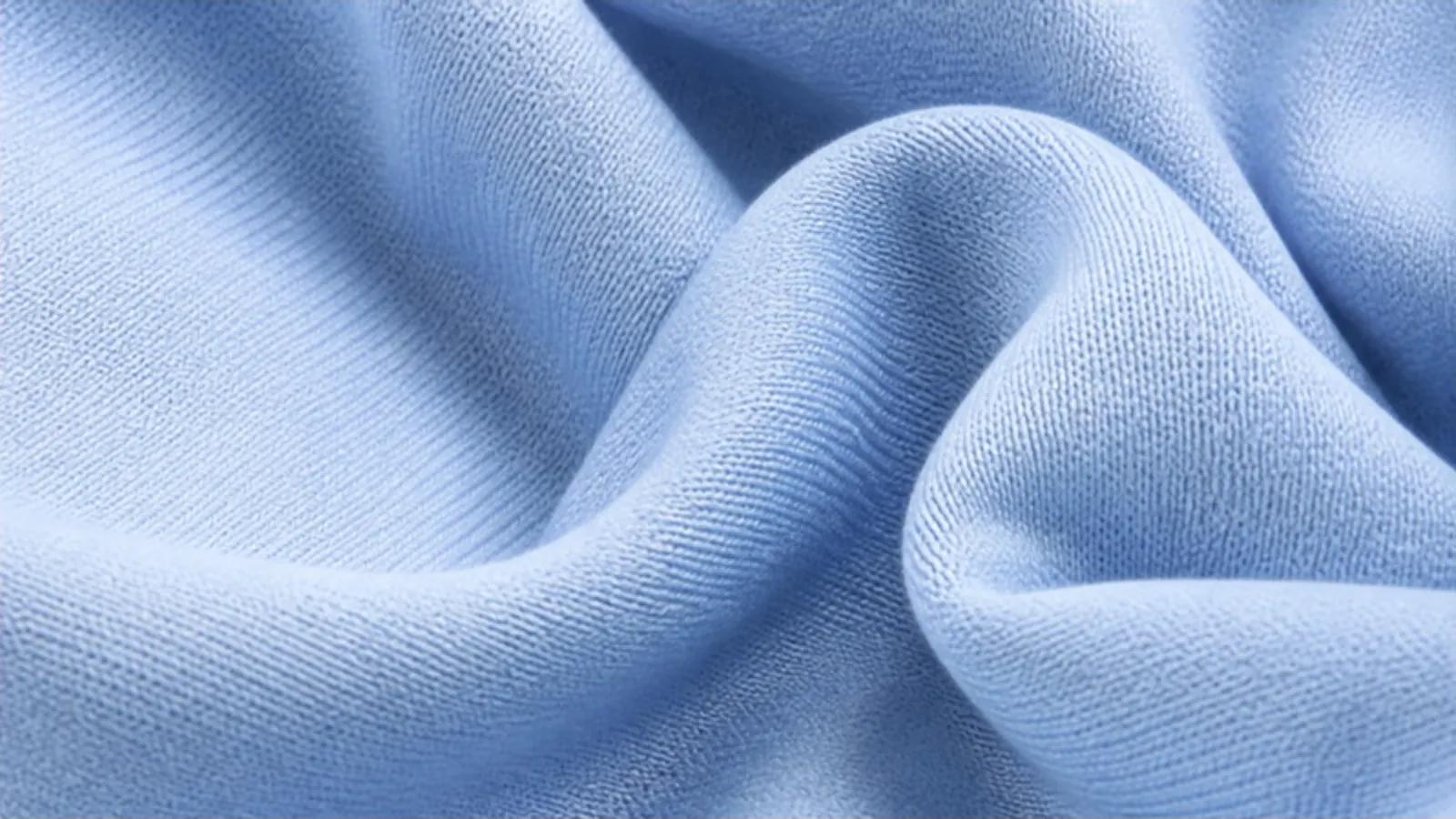
Interlock
Double-knit with a smooth face on both sides. Stable, thicker and less prone to curling than jersey.
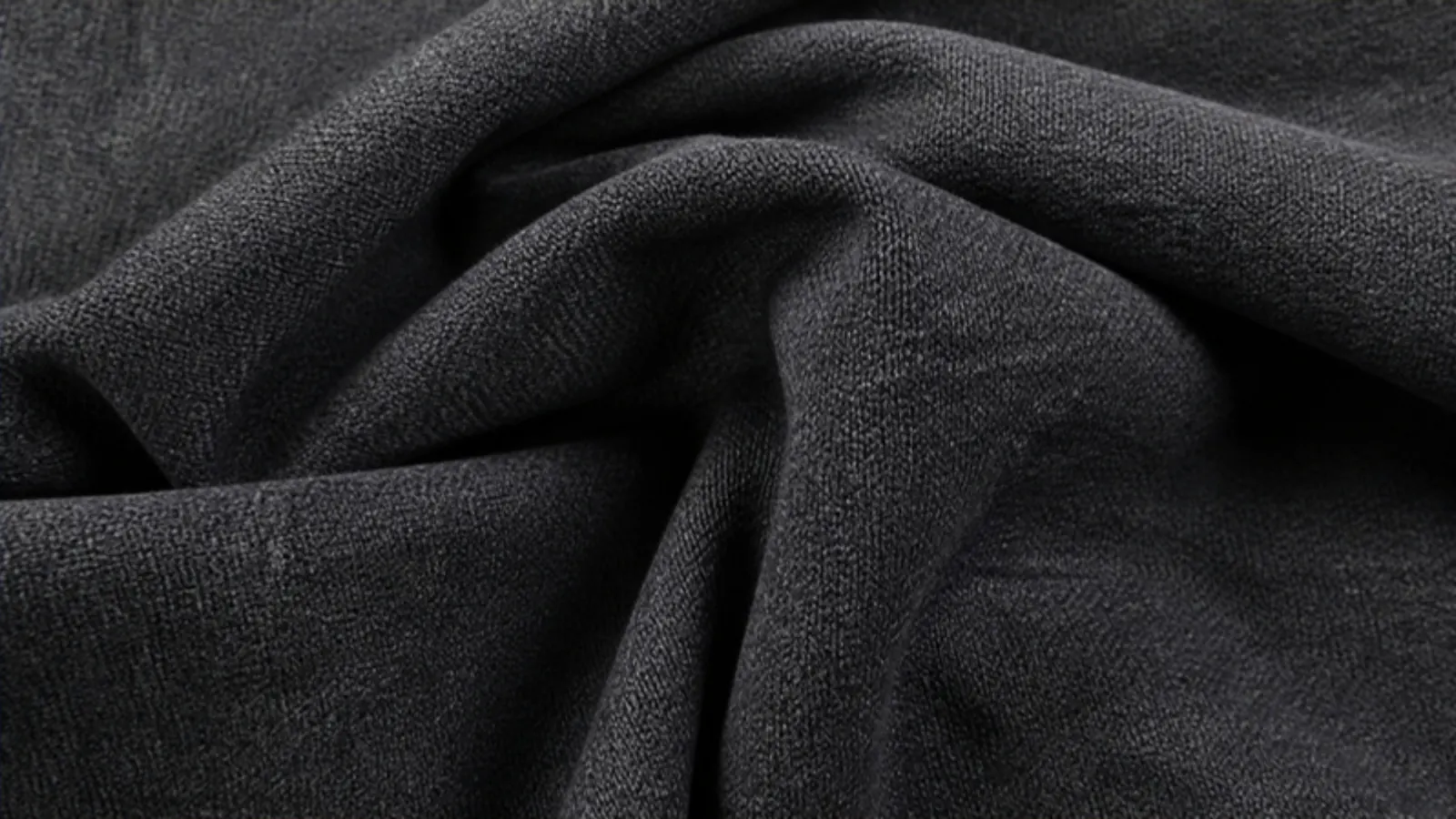
Double Jersey / Ponte
Firm double-knit with body and stretch. Tailors like a woven but moves like a knit.
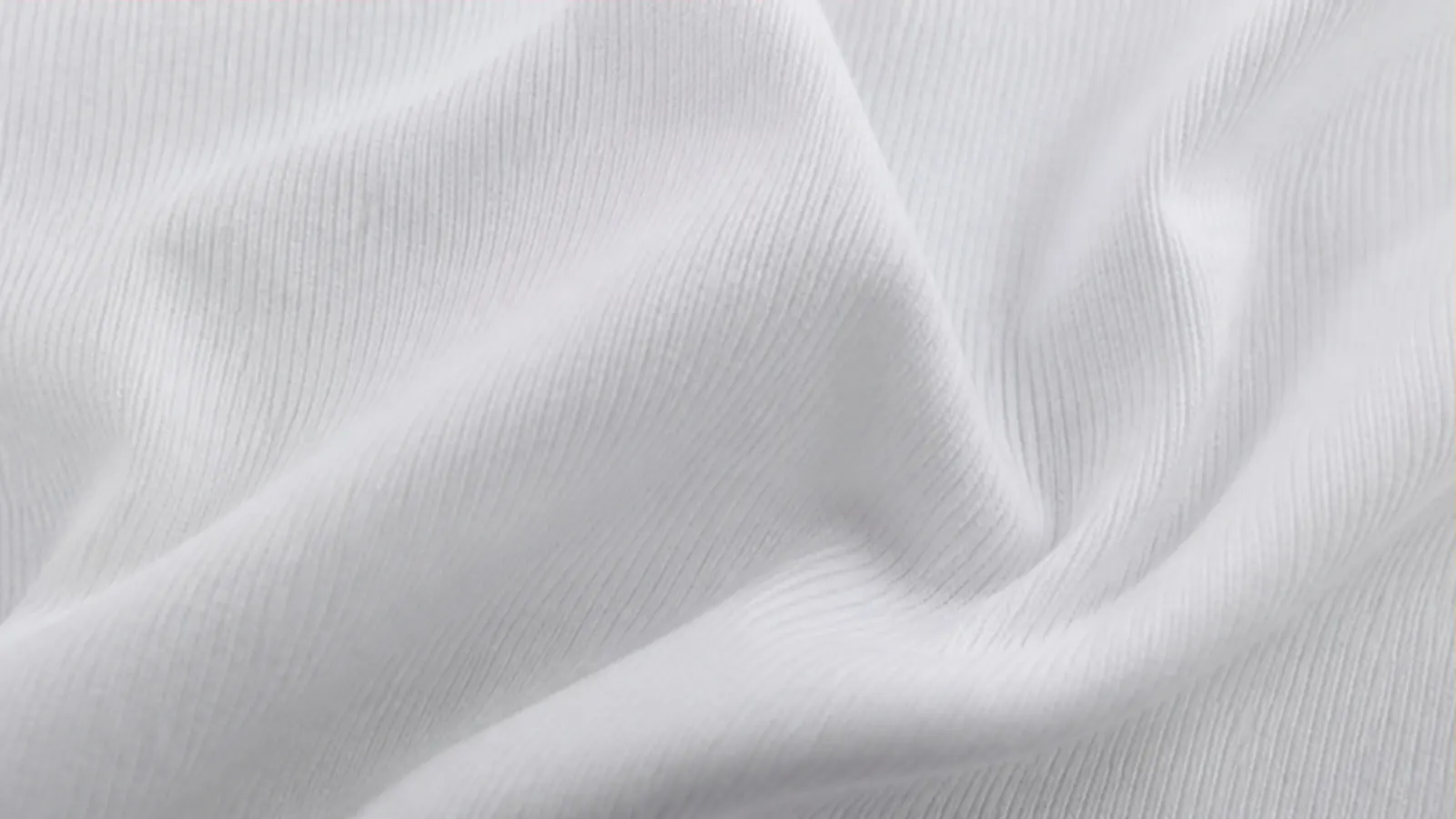
Rib 1×1
Alternating knit and purl columns give fine ribs and strong widthwise stretch.
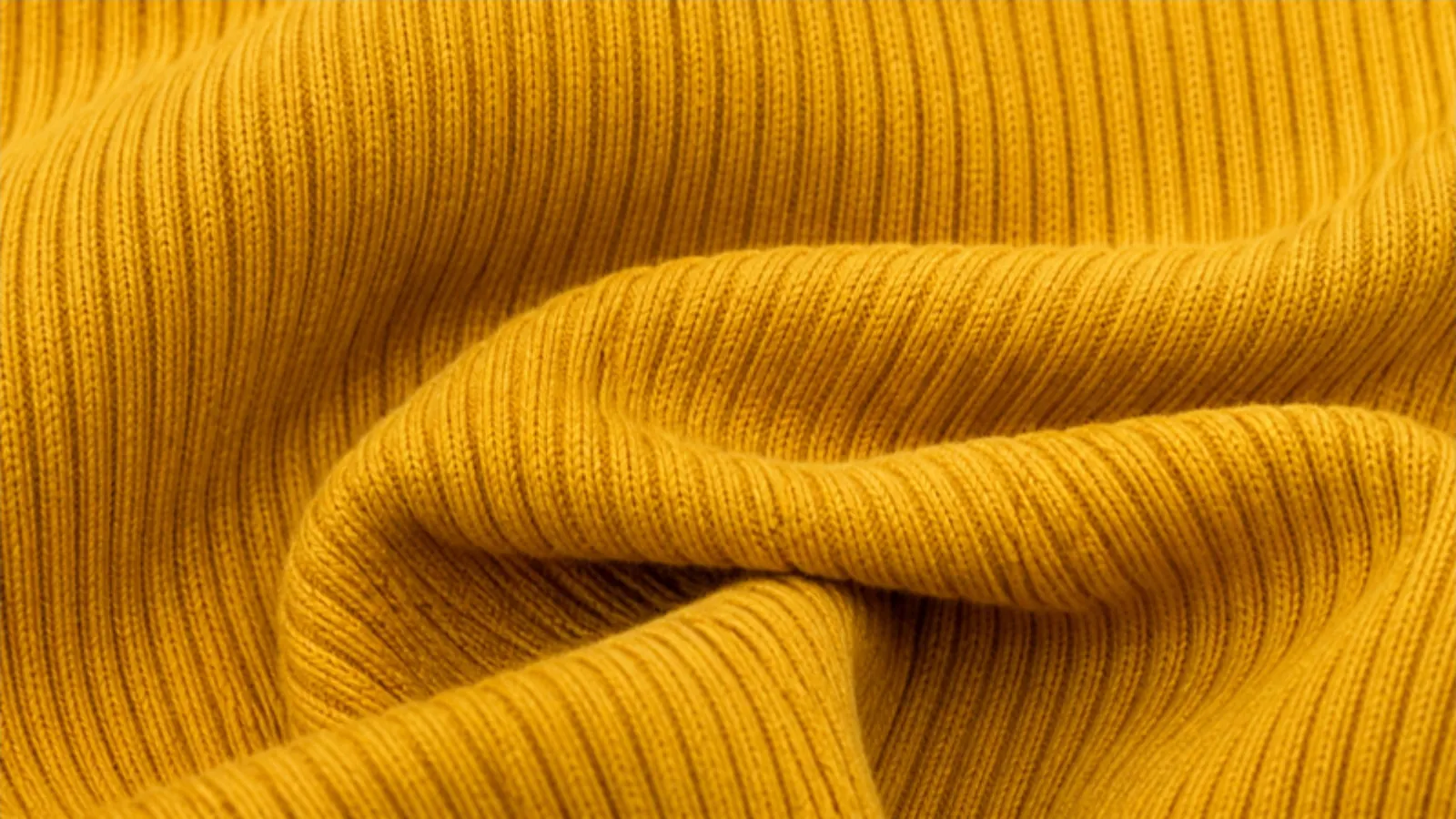
Rib 2×2
Wider ribs with more texture and stretch. Used as body fabric and for trims.
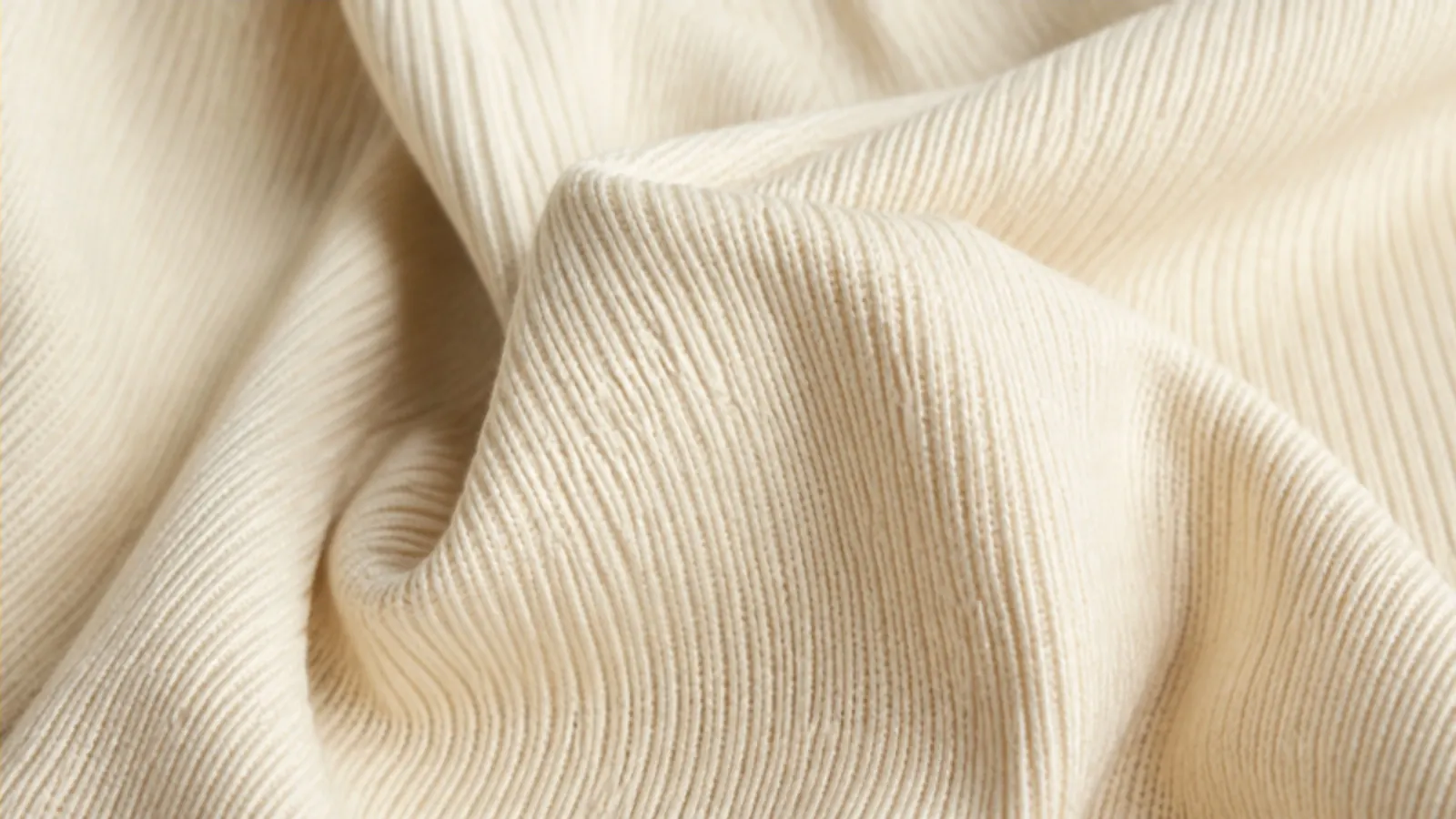
Heritage Rib
Fine, dense rib with a polished look. Our Old Money polo fabric, 96% cotton 4% elastane.
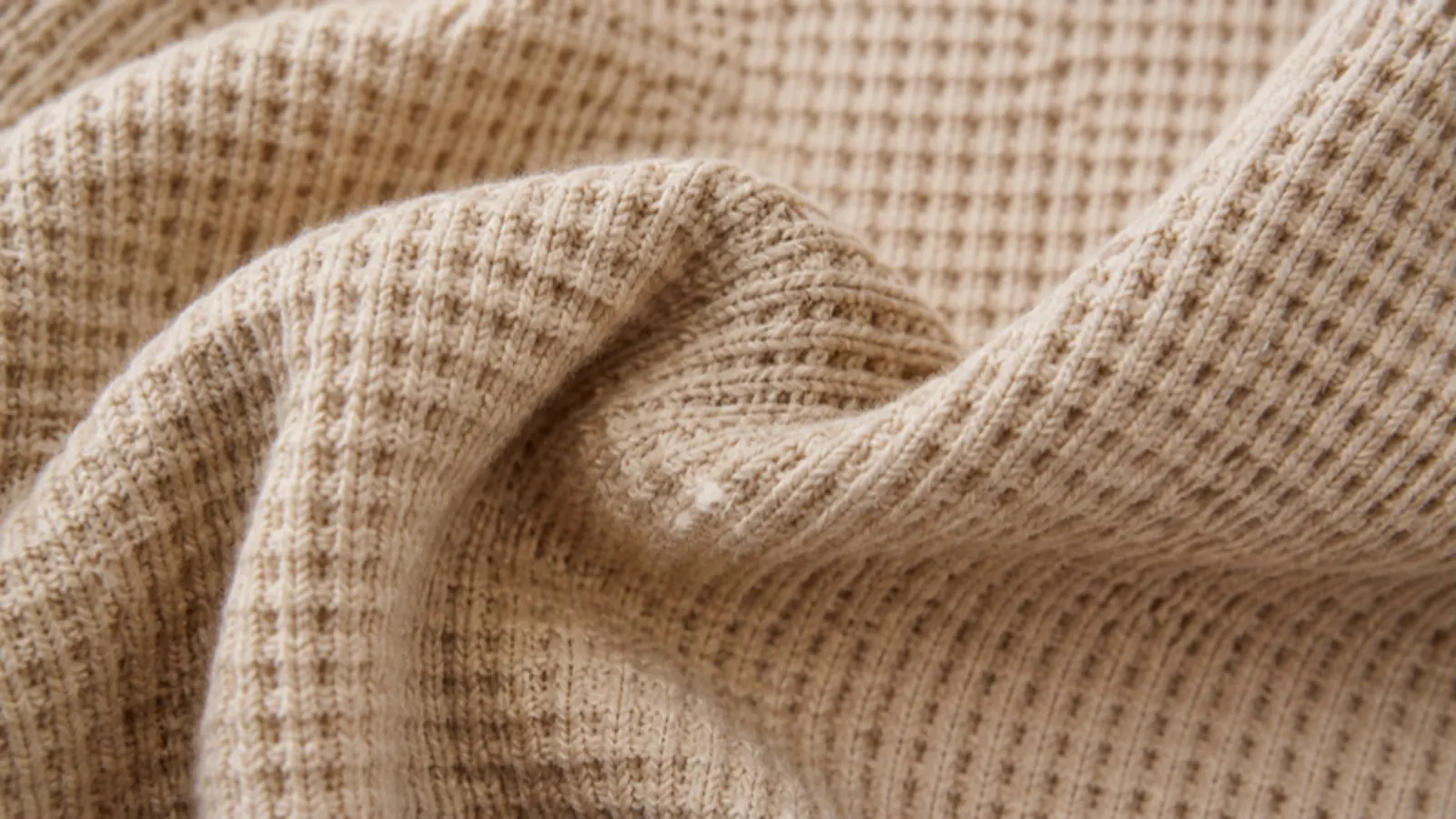
Waffle / Thermal Knit
Raised square grid that traps air for warmth with little weight.
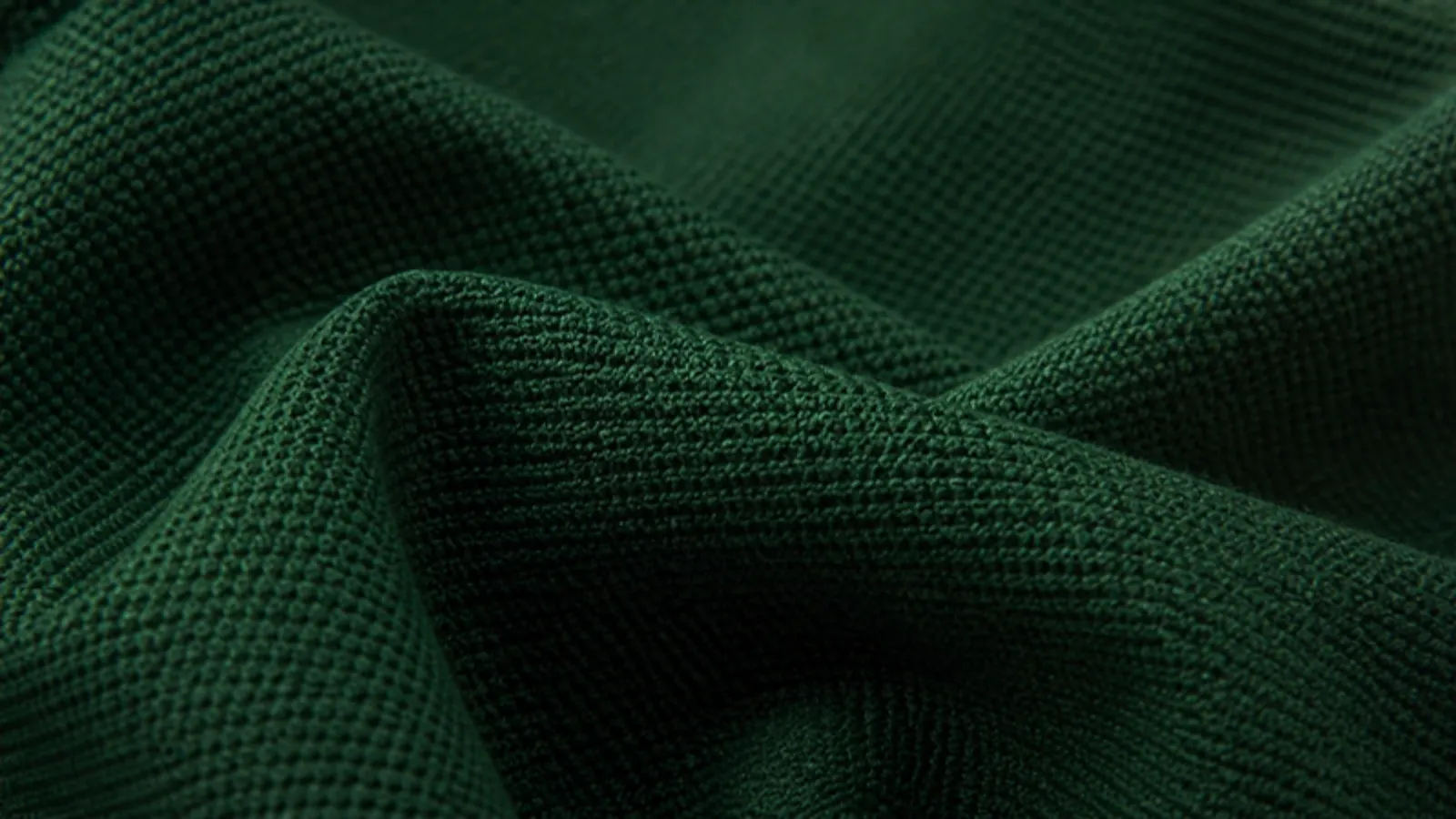
Piqué
Textured honeycomb knit with a dry, breathable hand. The polo shirt fabric.
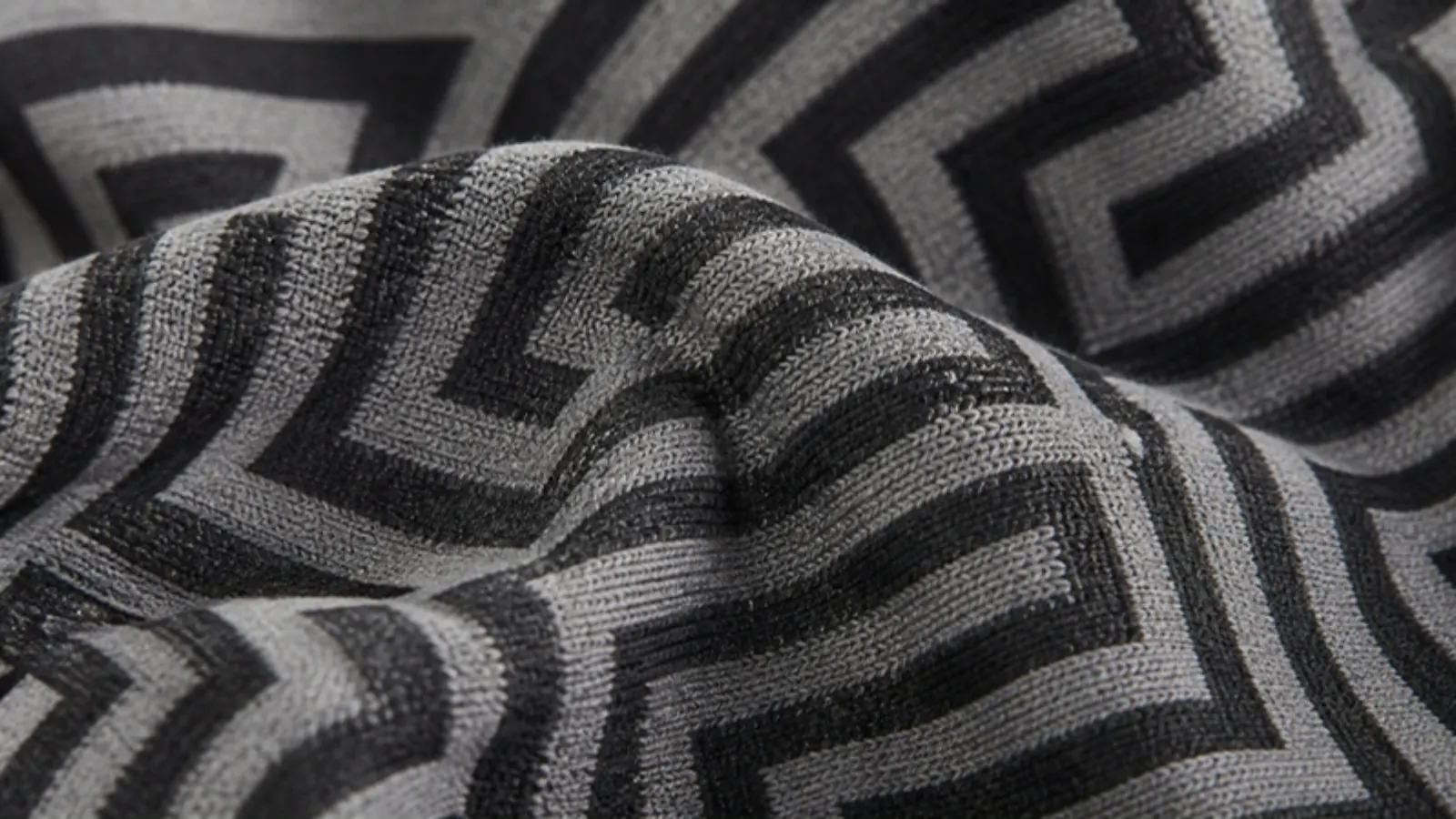
Jacquard Knit
Patterns knitted into the fabric with yarns of different colours. No print, no fading.
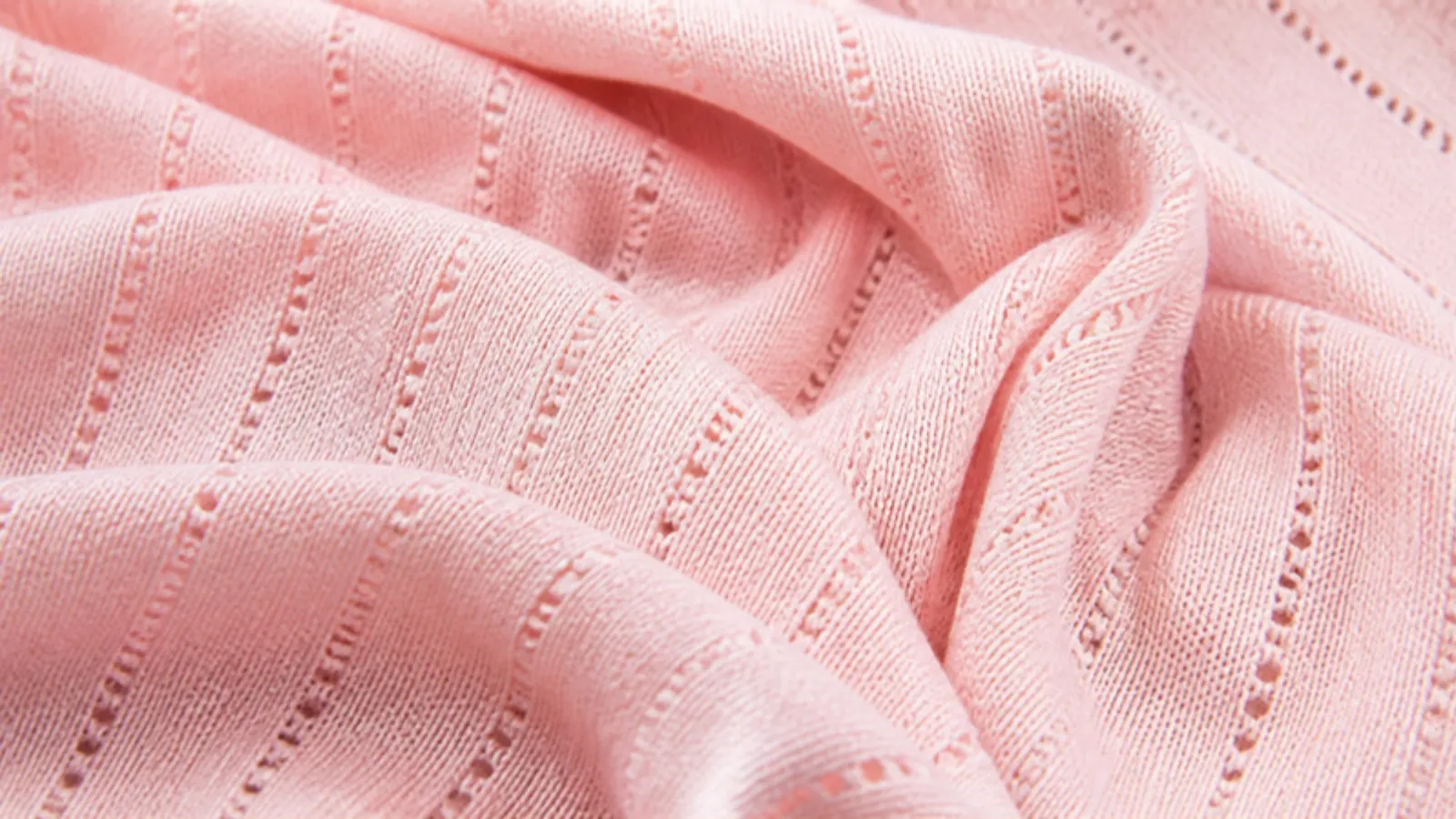
Pointelle
Rows of small eyelets knitted in for a light, delicate texture.
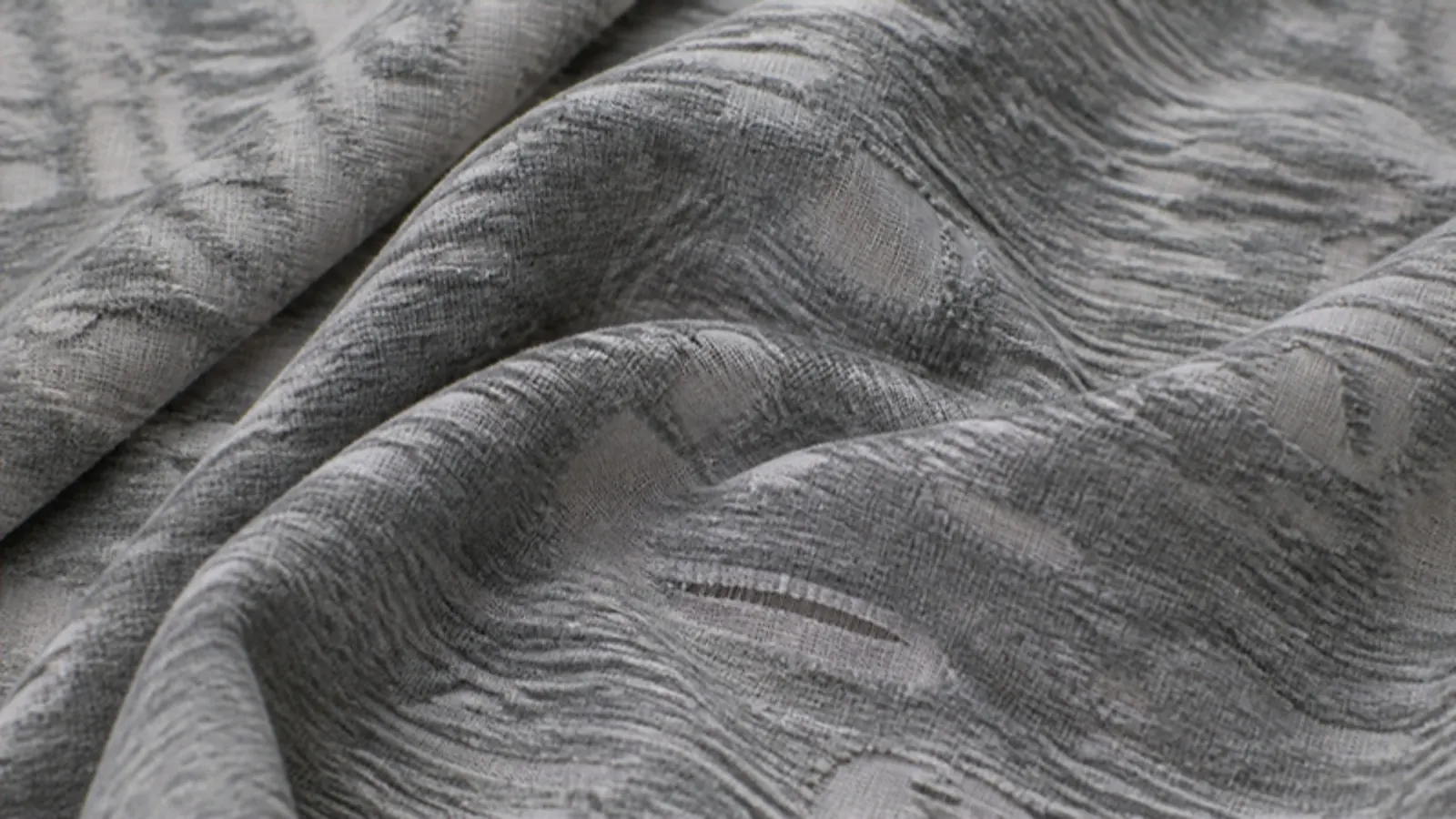
Burnout Jersey
Blended jersey where one fibre is dissolved away, leaving sheer patterned areas.
Premium Natural Fabrics: Tencel, Modal, Merino and Linen
These premium types of fabric for clothes change how a garment feels on the skin. Cellulosic, wool and natural fibres for softness, drape and lower impact. Available in jersey and woven constructions.
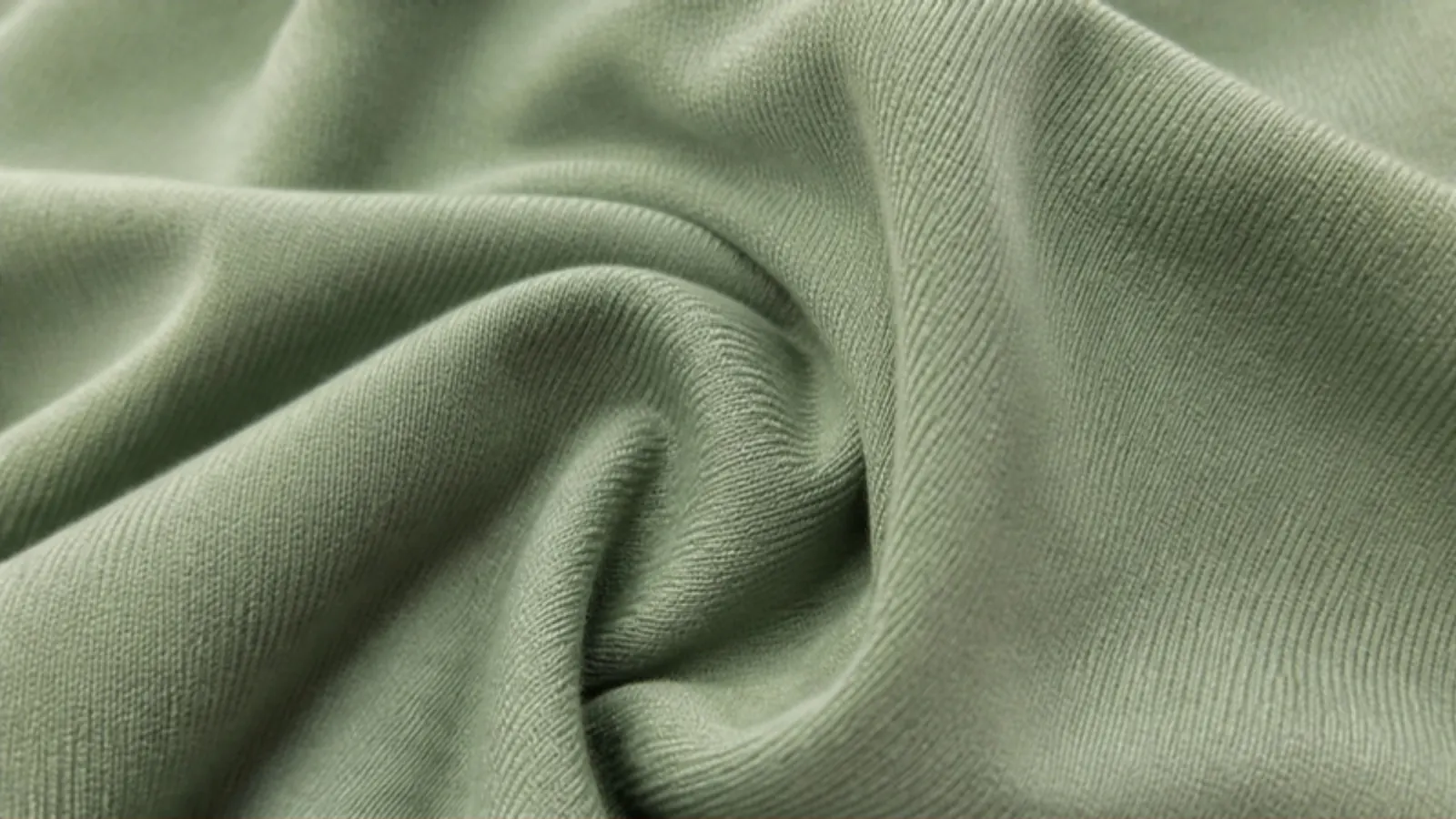
Tencel Jersey
Lyocell from wood pulp in a closed-loop process. Fluid drape, cool touch, soft sheen.
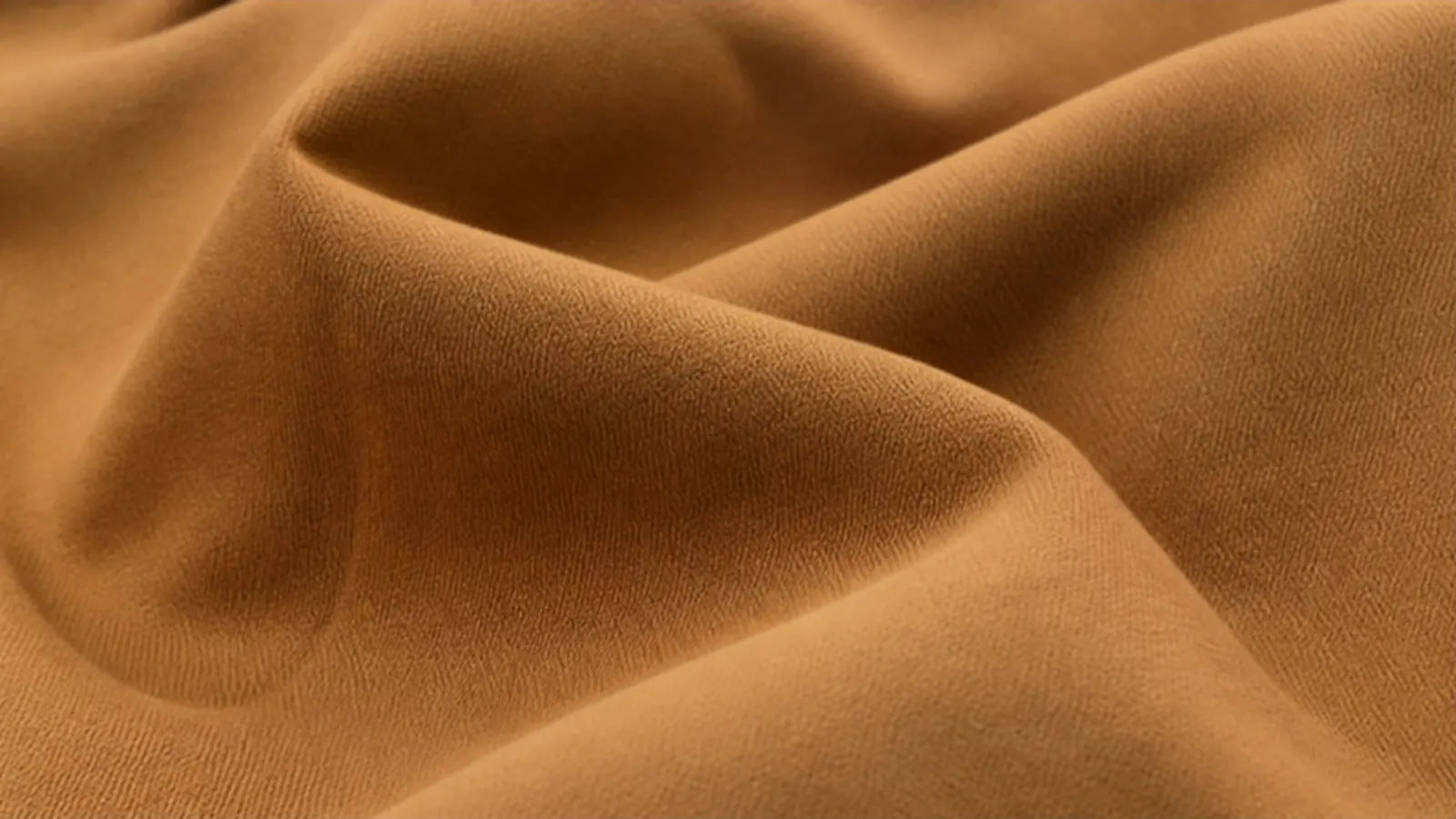
Tencel Twill
Woven Tencel with a peach-skin surface. Drapes like silk, wears like a twill.
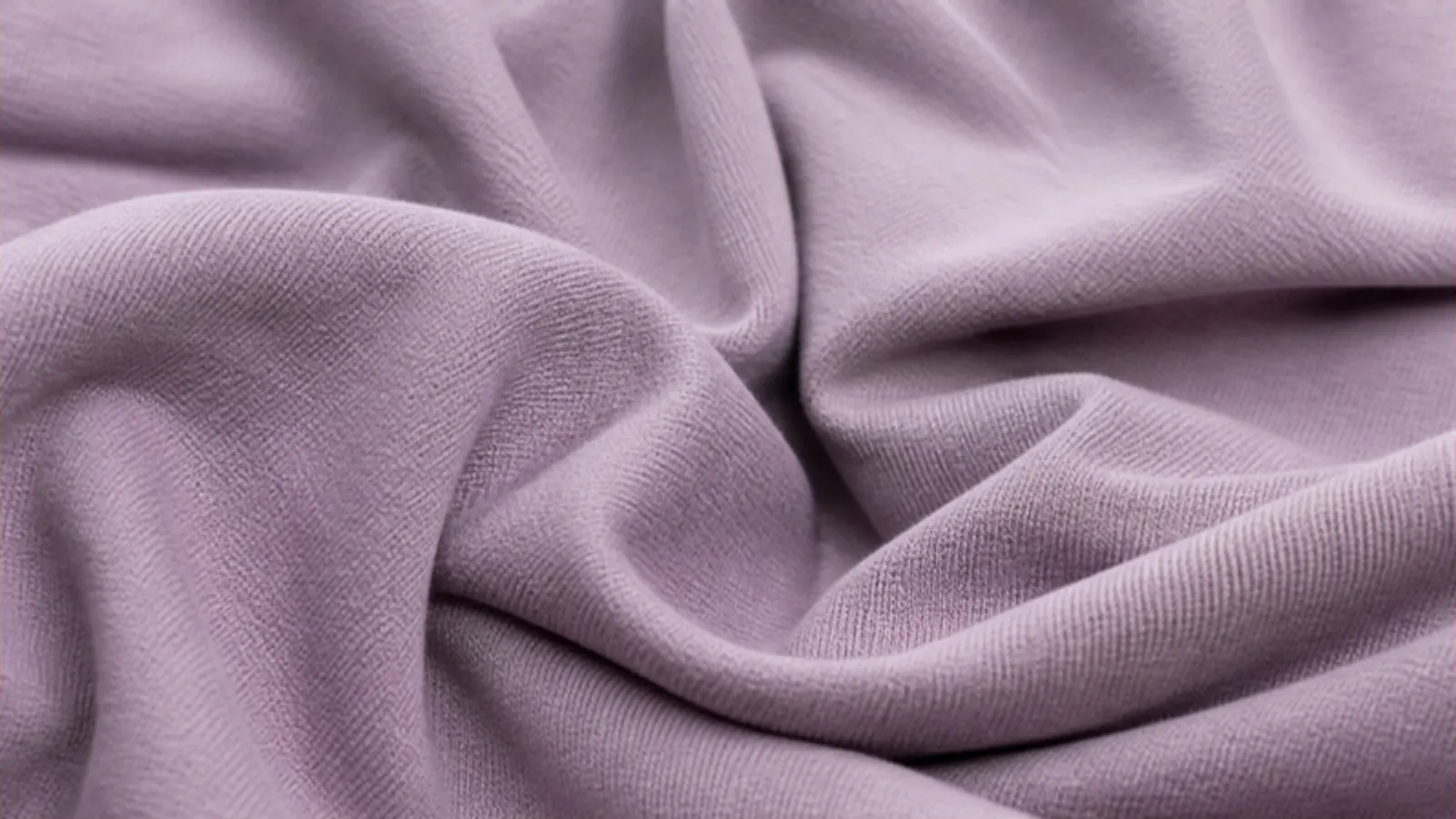
Modal Jersey
Beech-wood cellulose fibre, very soft and resistant to shrinking and fading.
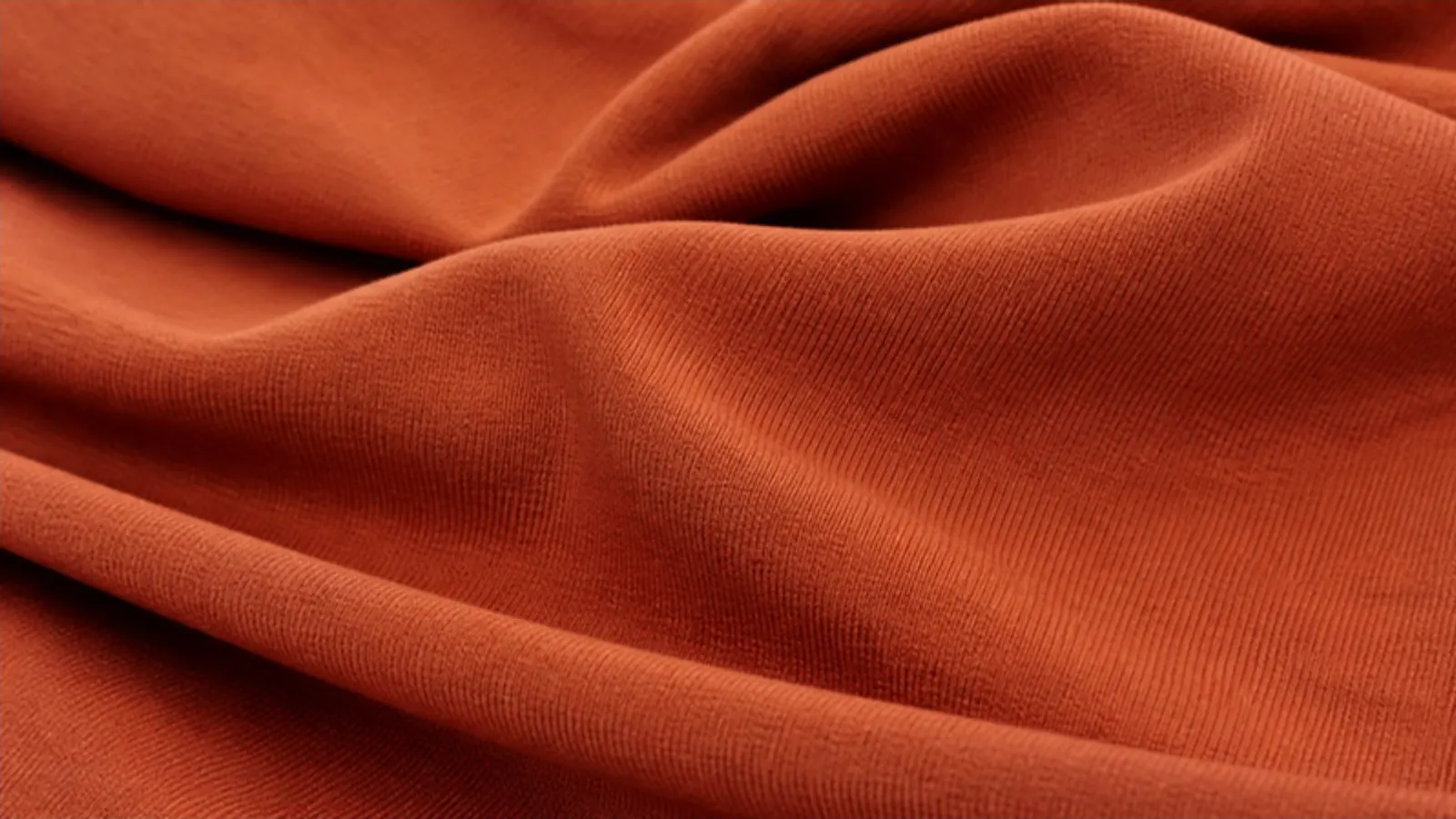
Viscose Jersey
Fluid, liquid drape with good colour take-up. Often blended with elastane.
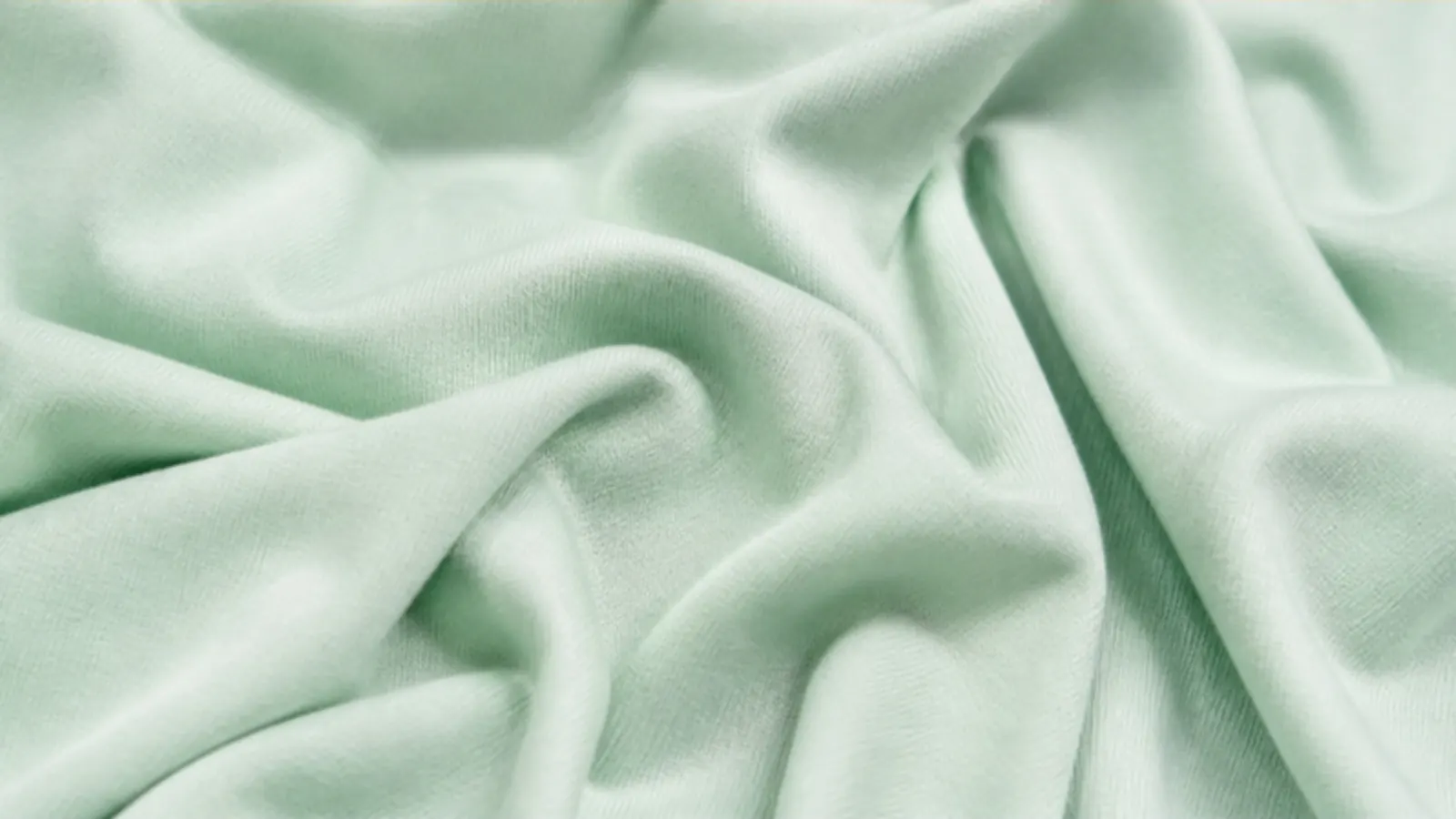
Bamboo Jersey
Viscose made from bamboo pulp. Silky, breathable and very soft.
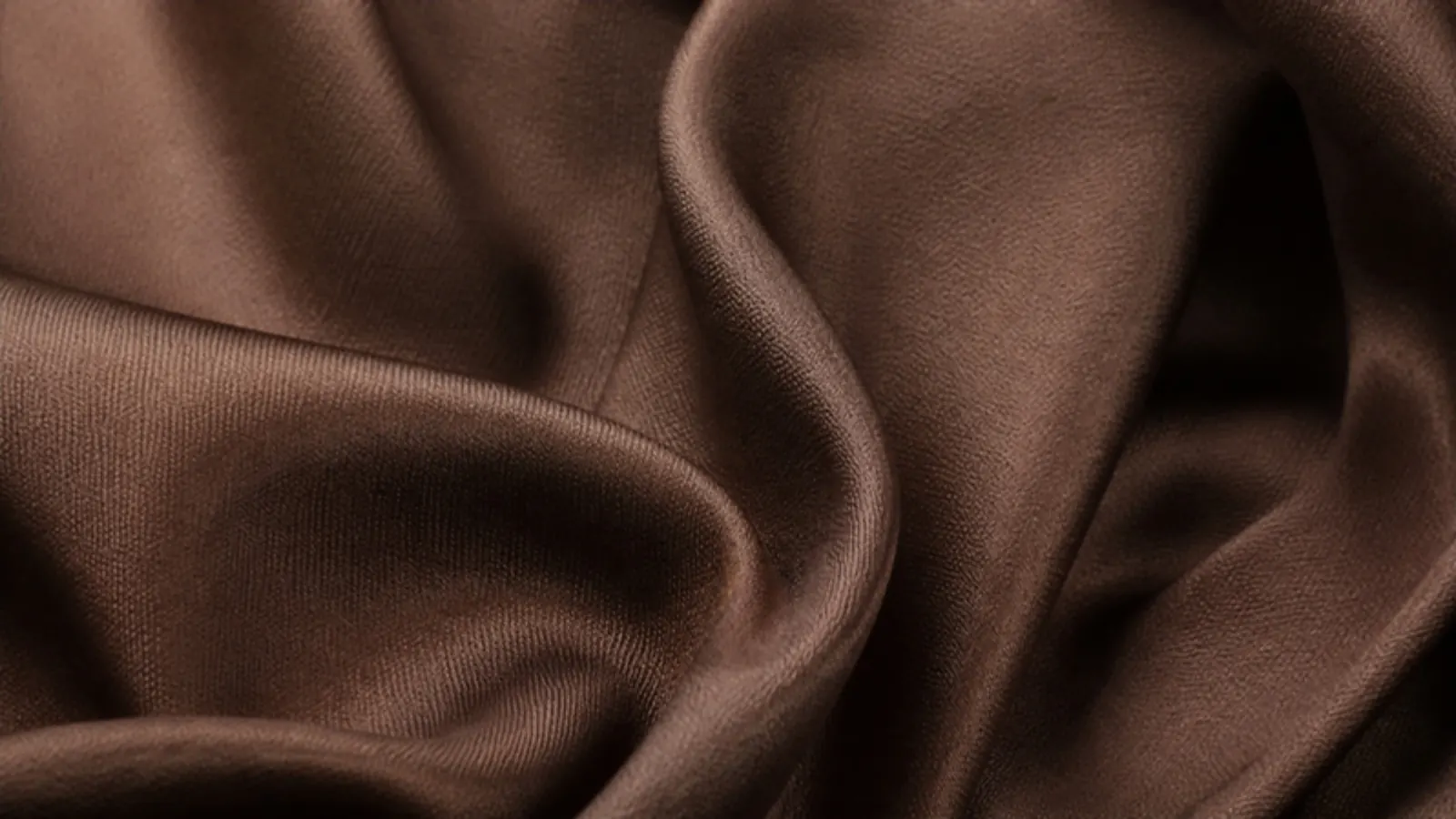
Cupro
Regenerated cotton-linter fibre with a silky hand and fluid drape.
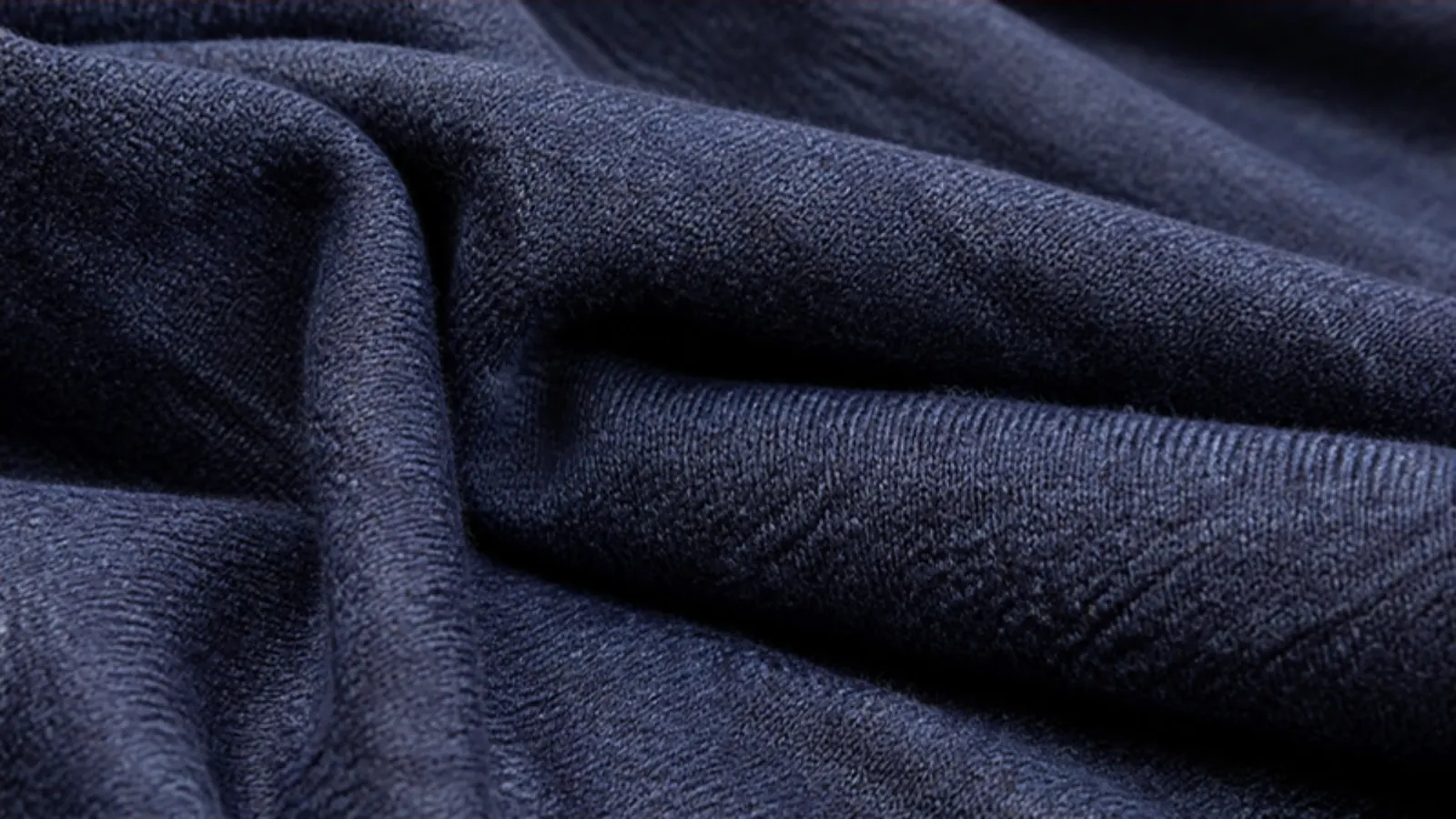
Merino Wool Jersey
Fine merino knit that regulates temperature and resists odour. Soft enough for skin.
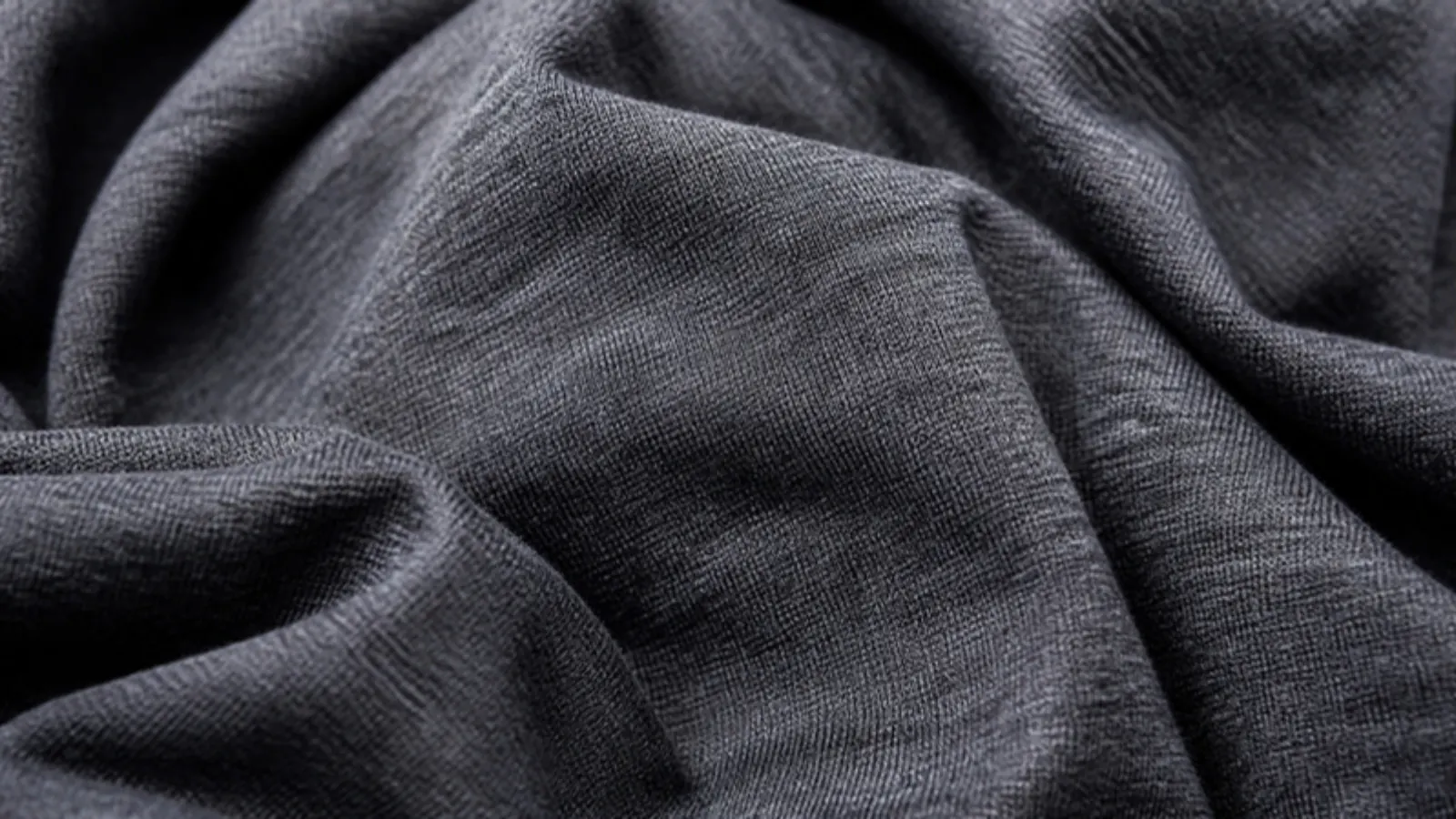
Merino + Nylon
Merino wrapped around a nylon core for strength and abrasion resistance.
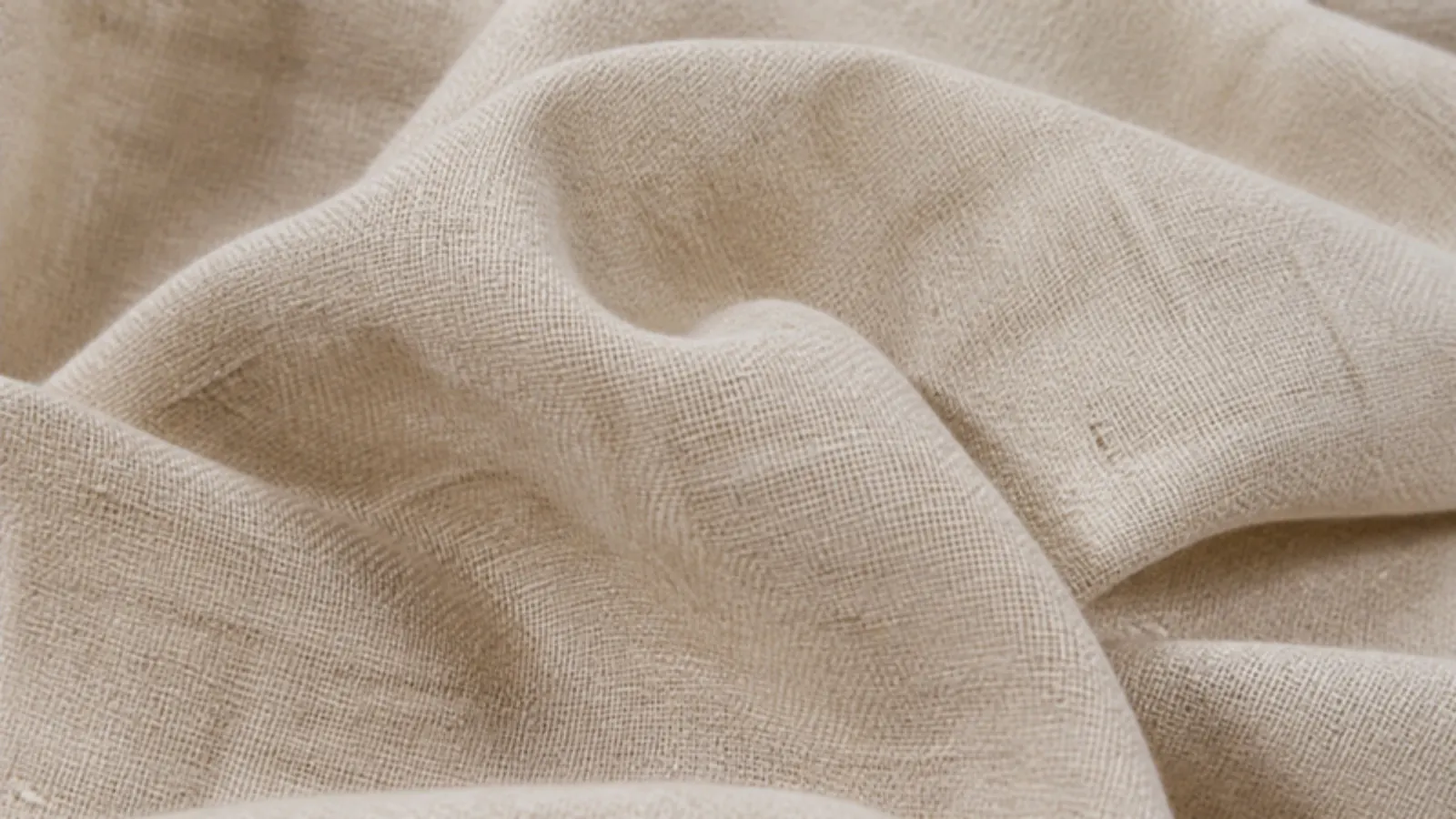
Linen
Woven from flax. Crisp, breathable and textured, softening with every wash.
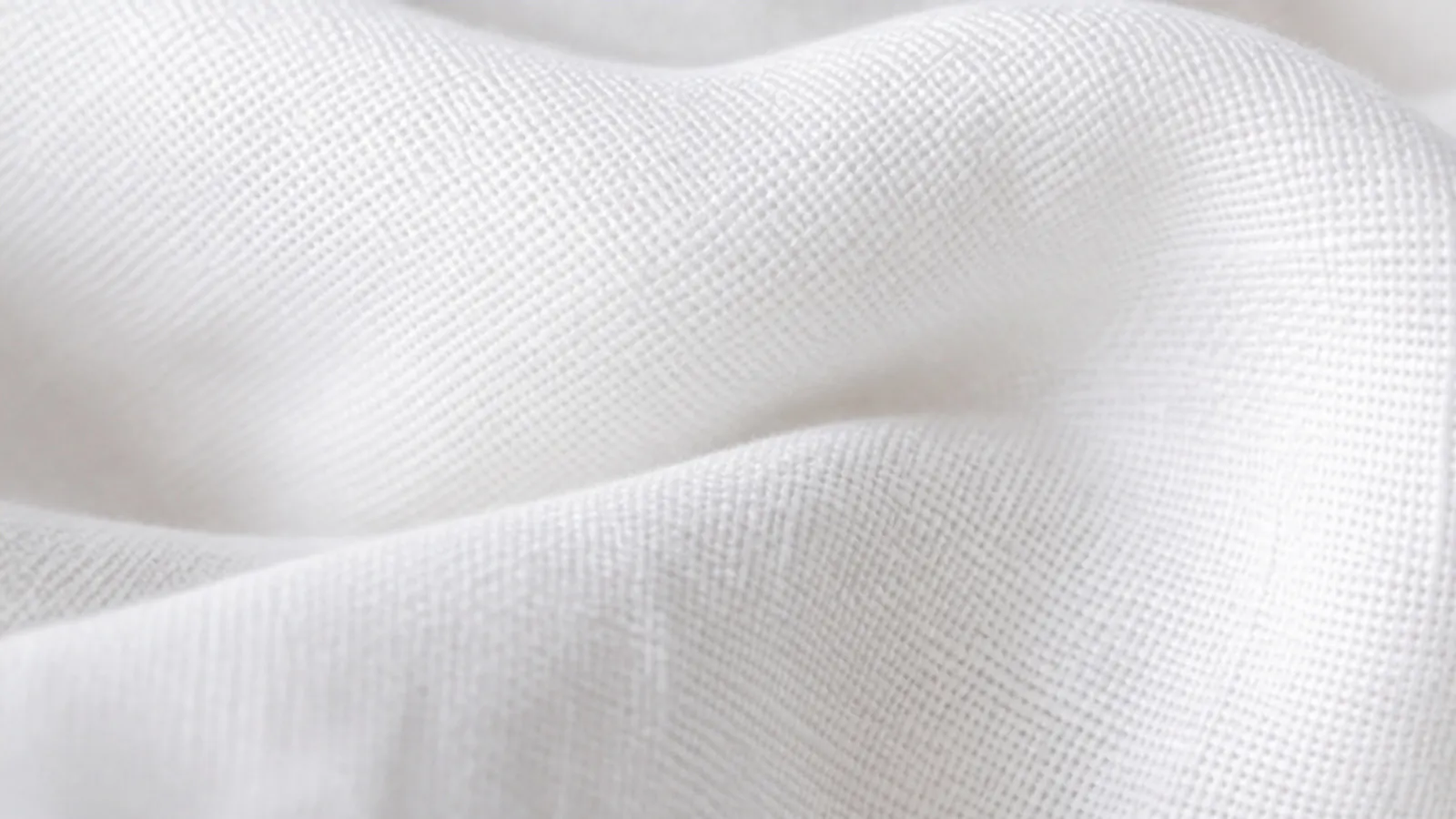
Linen + Cotton
Linen character with cotton softness and fewer creases.
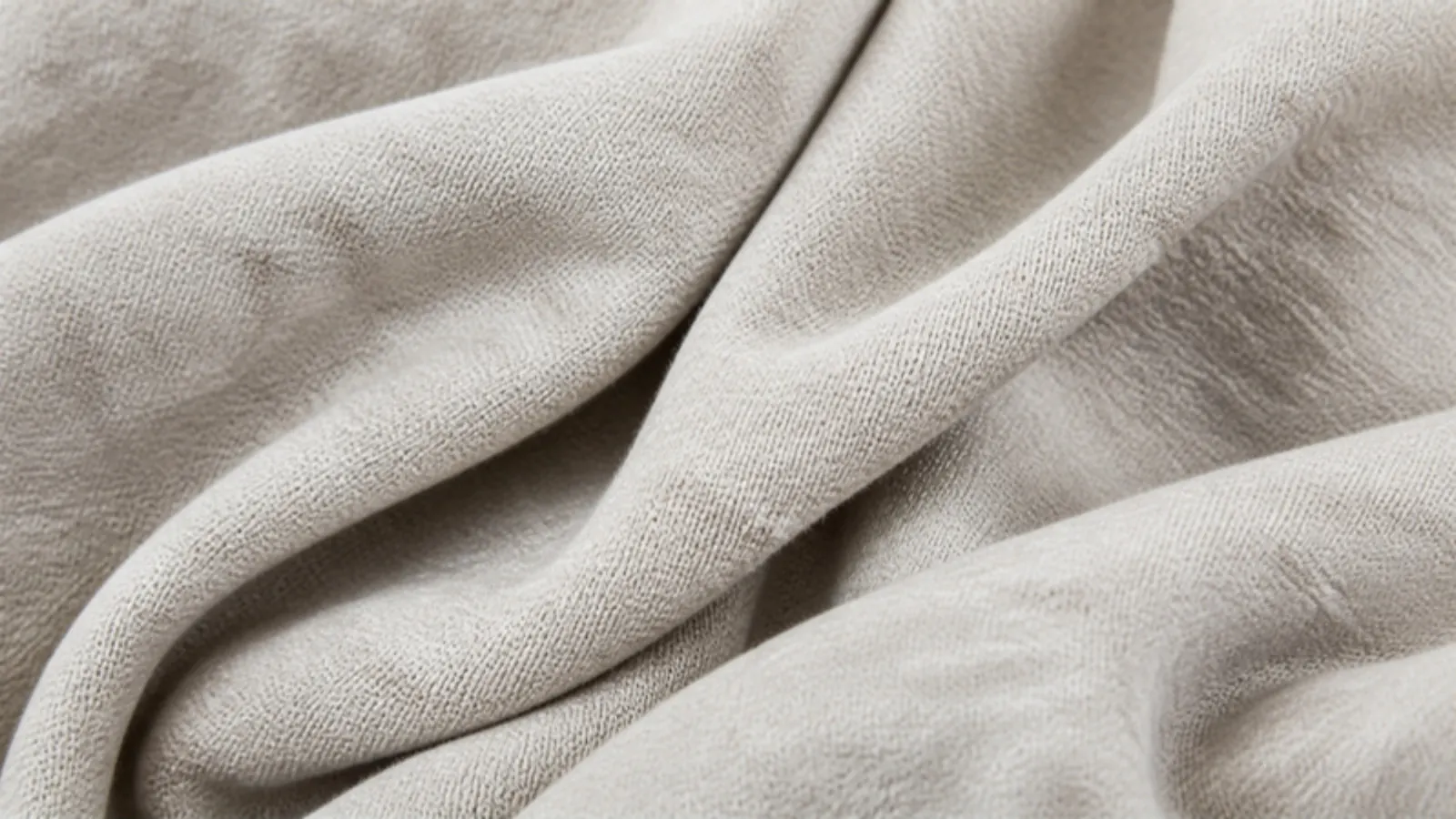
Linen Jersey
Knitted linen with a dry, slubby hand and natural stretch.
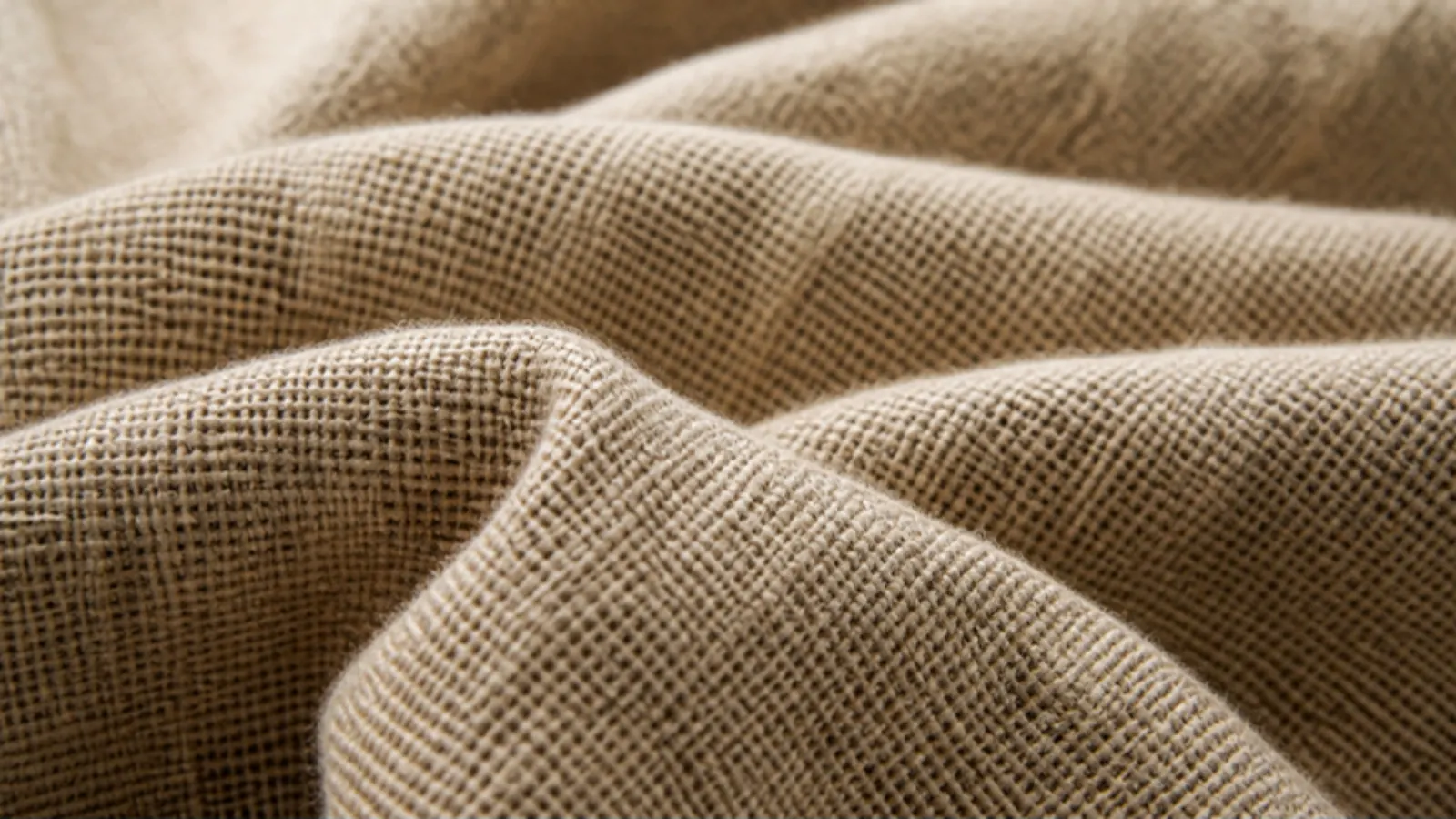
Hemp
Strong, rustic fibre that grows with little water. Softens with wear.
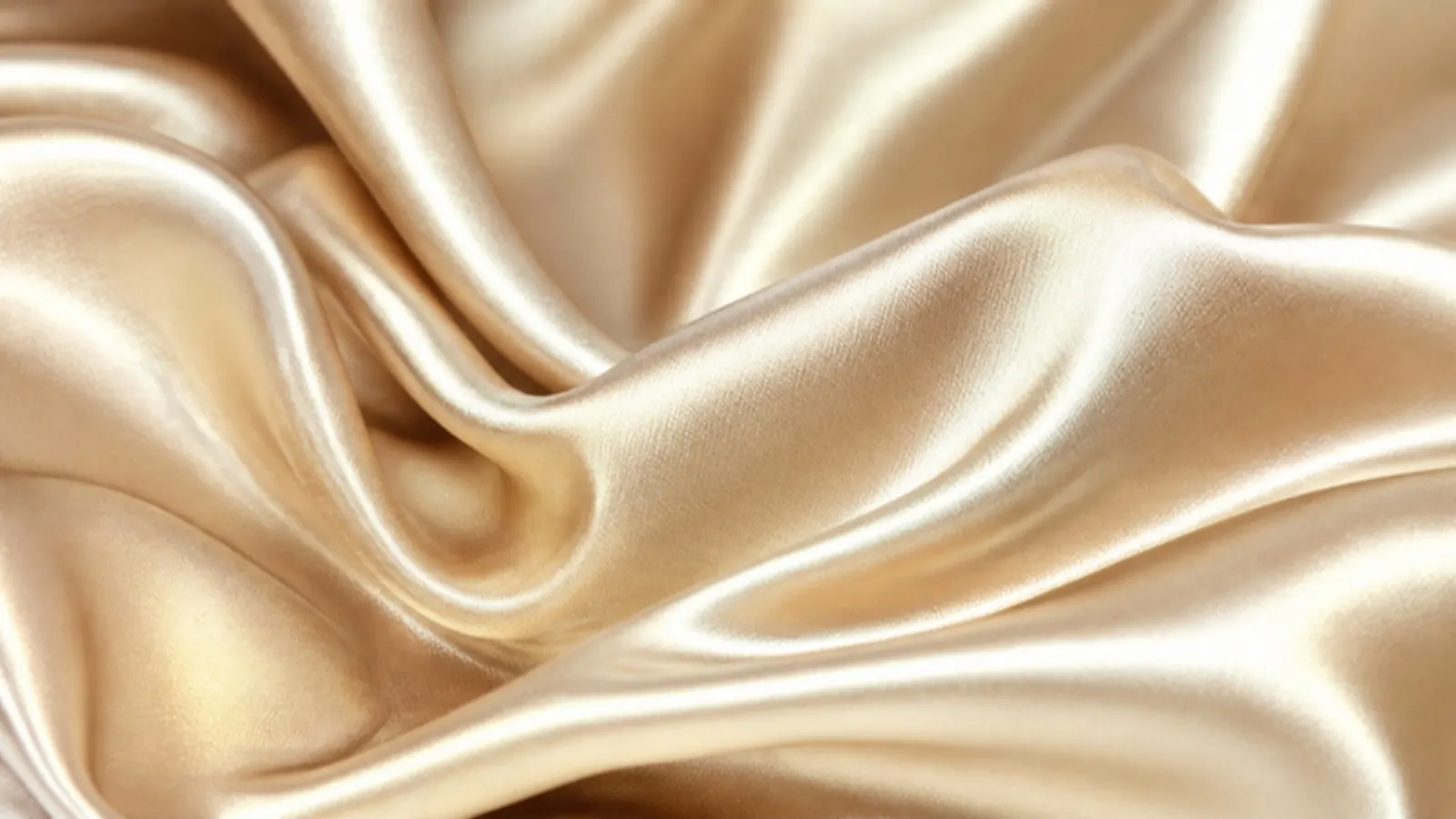
Silk
Protein fibre with high lustre and fluid drape, in satin, crepe or habotai.
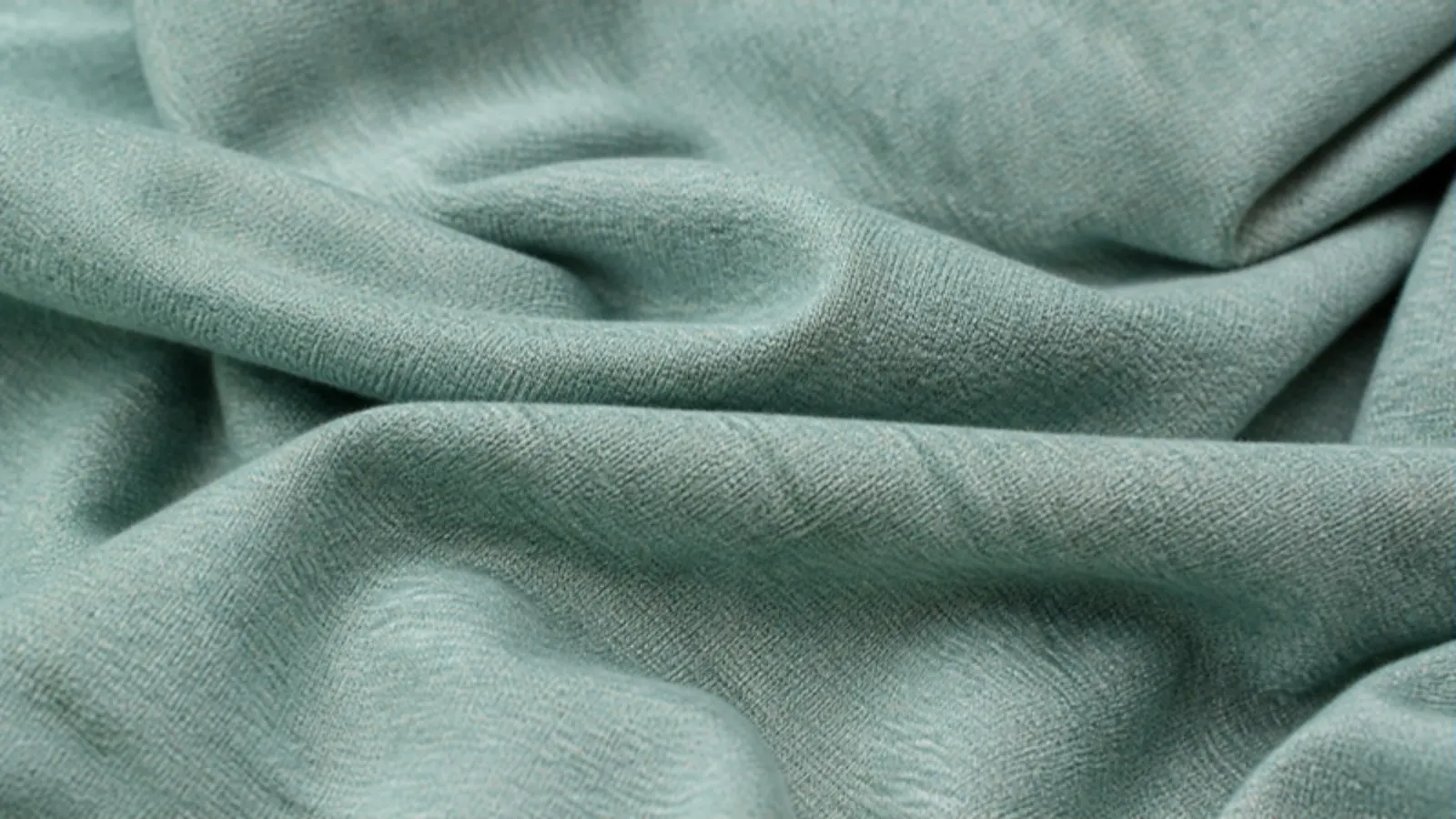
Seaweed Fibre Blend
Cellulose fibre with seaweed content blended with cotton. Soft and skin-friendly.
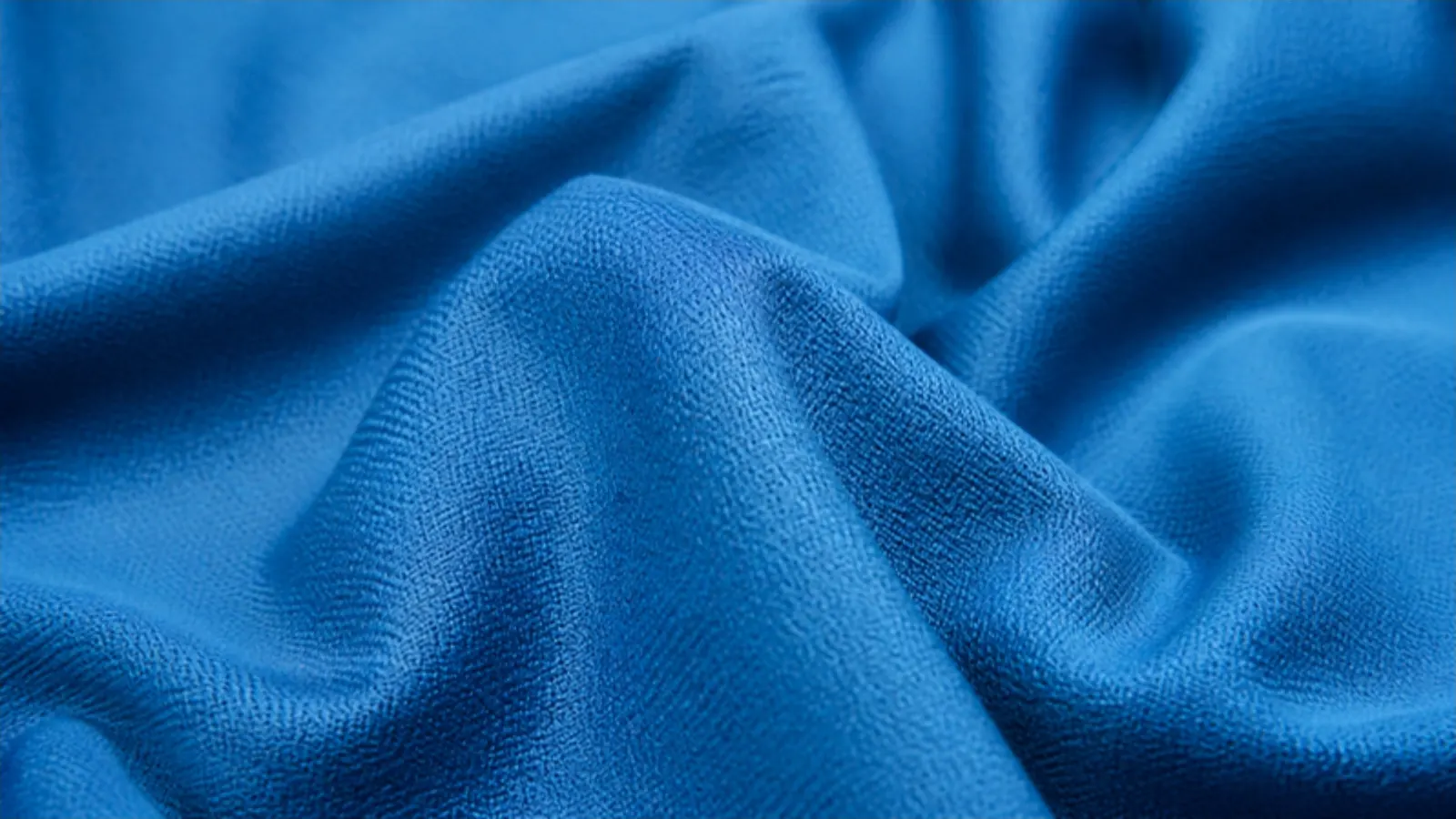
Recycled Polyester (rPET)
Polyester made from post-consumer plastic bottles. Same performance as virgin polyester.
Fleece and French Terry Fabric for Hoodies
For warm clothing, these are the types of fabric for clothes we use most. Loopback and brushed knits for sweatshirts, hoodies and joggers, from summer terry to 650 gsm heavyweight fleece.
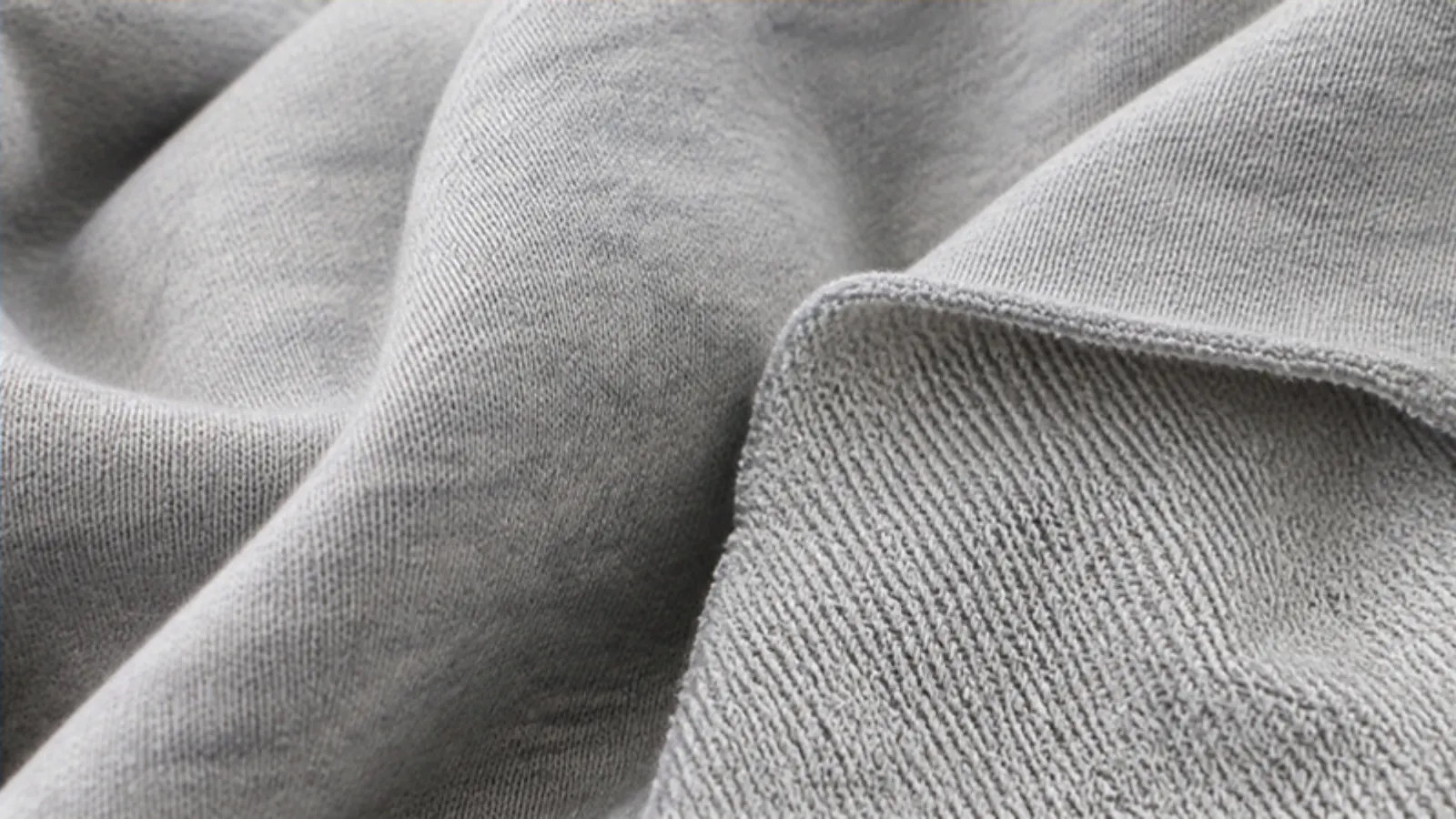
French Terry
Smooth face with soft loops on the back. Breathable sweatshirt fabric for all seasons.
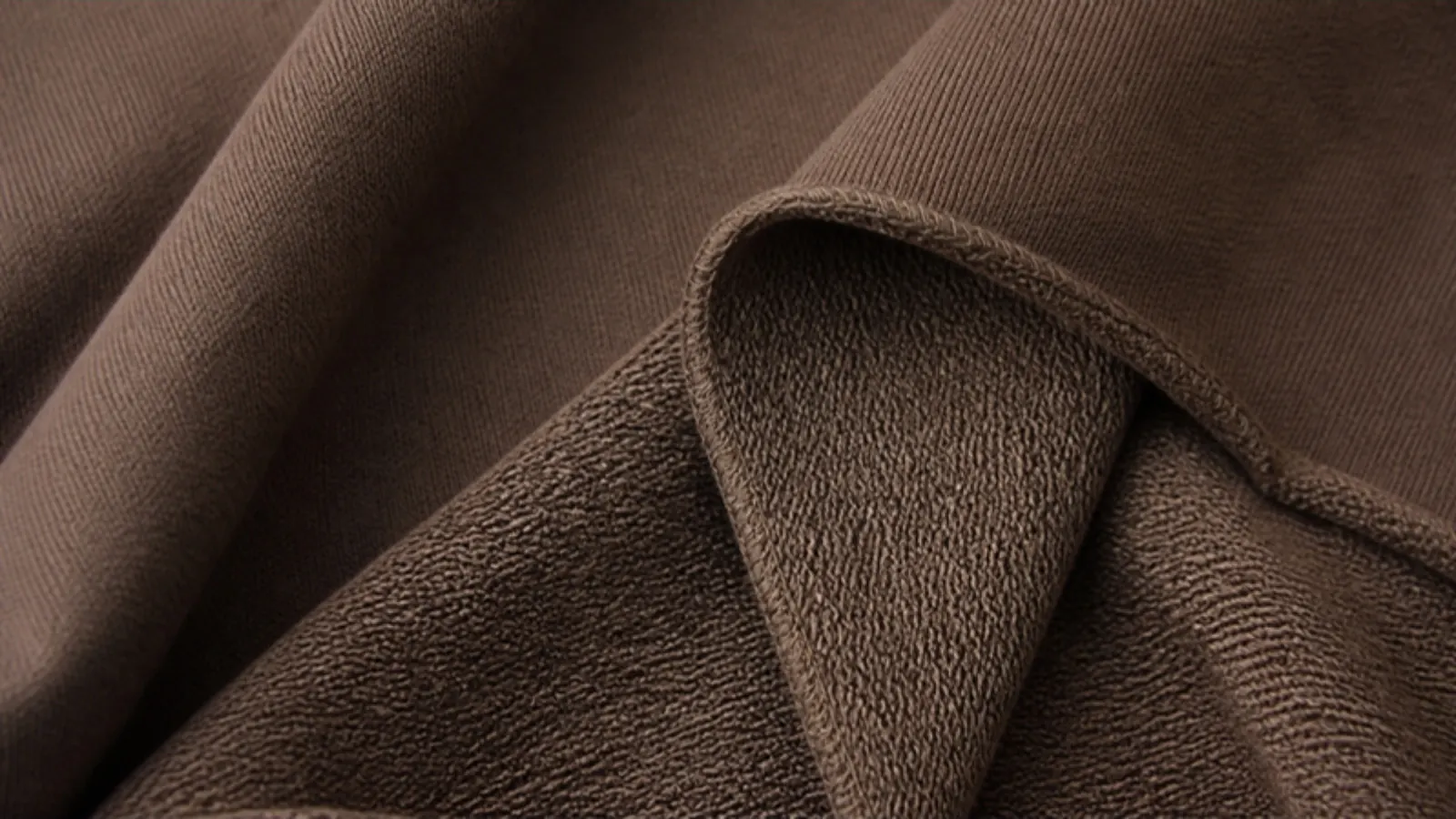
Heavyweight French Terry
Dense loopback with a structured, premium hand.
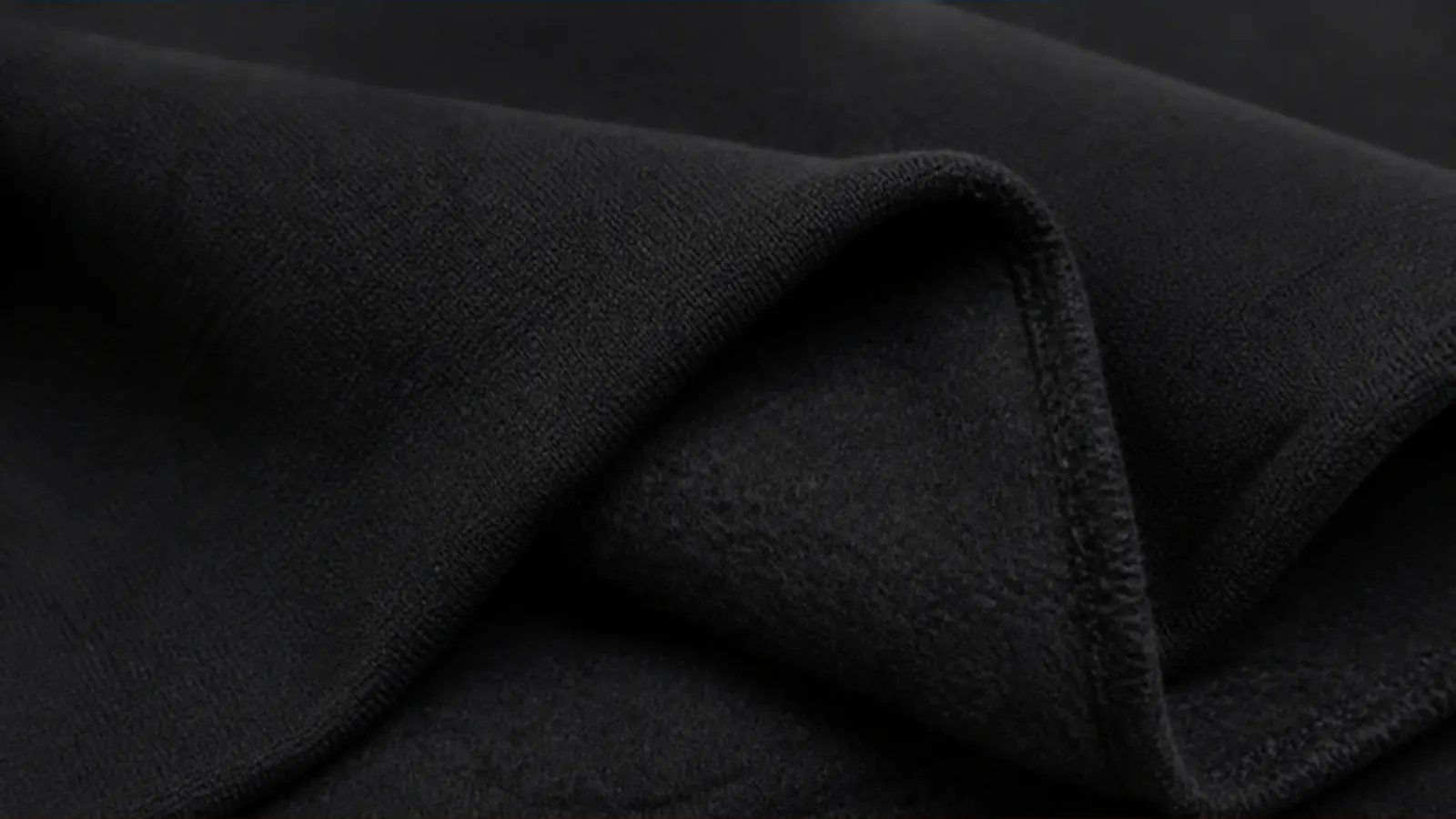
Brushed Fleece
Back loops brushed into a soft, warm nap. Also called American fleece.
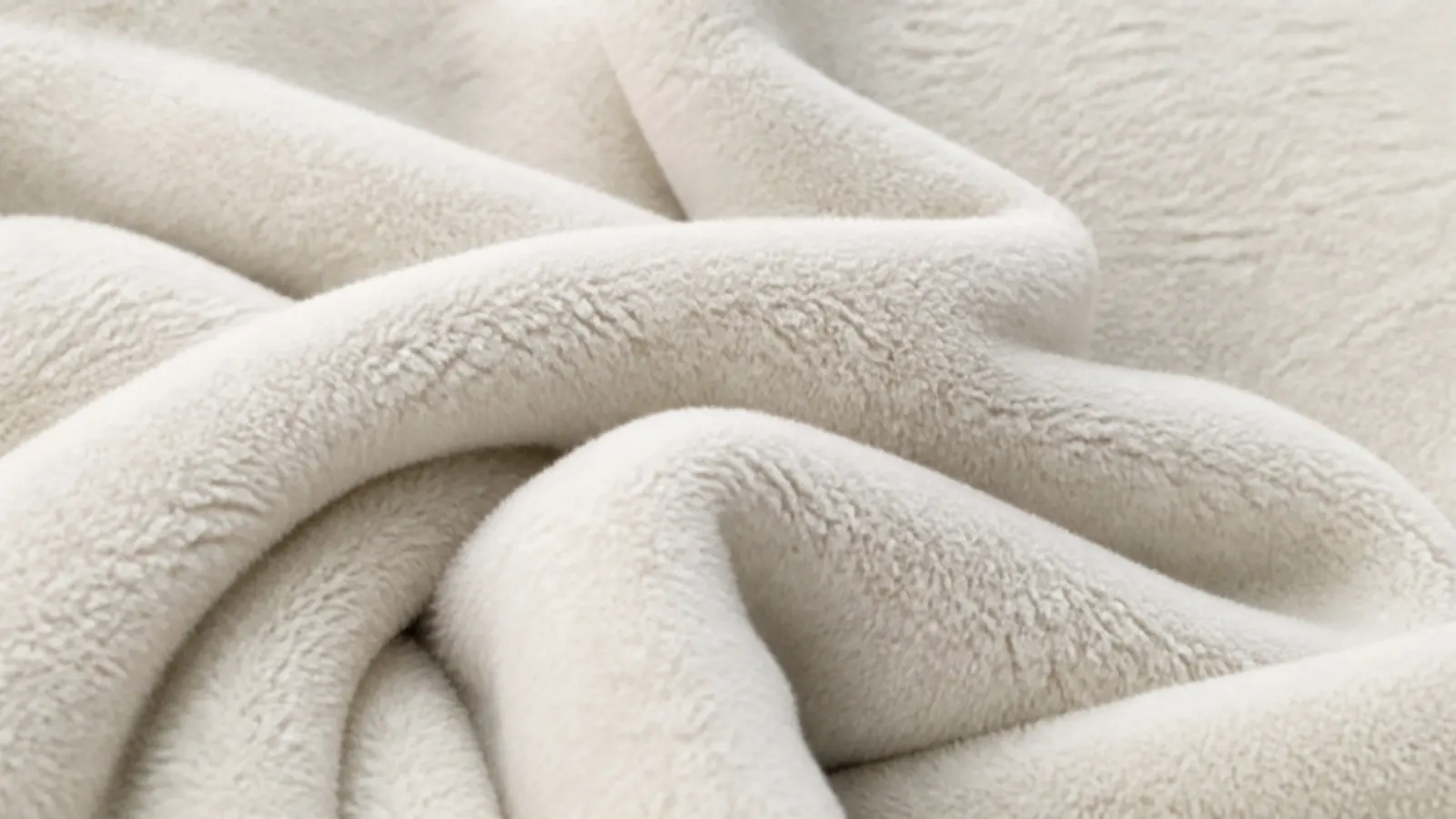
Heavyweight Fleece
Thick brushed fleece with a plush feel and boxy structure.
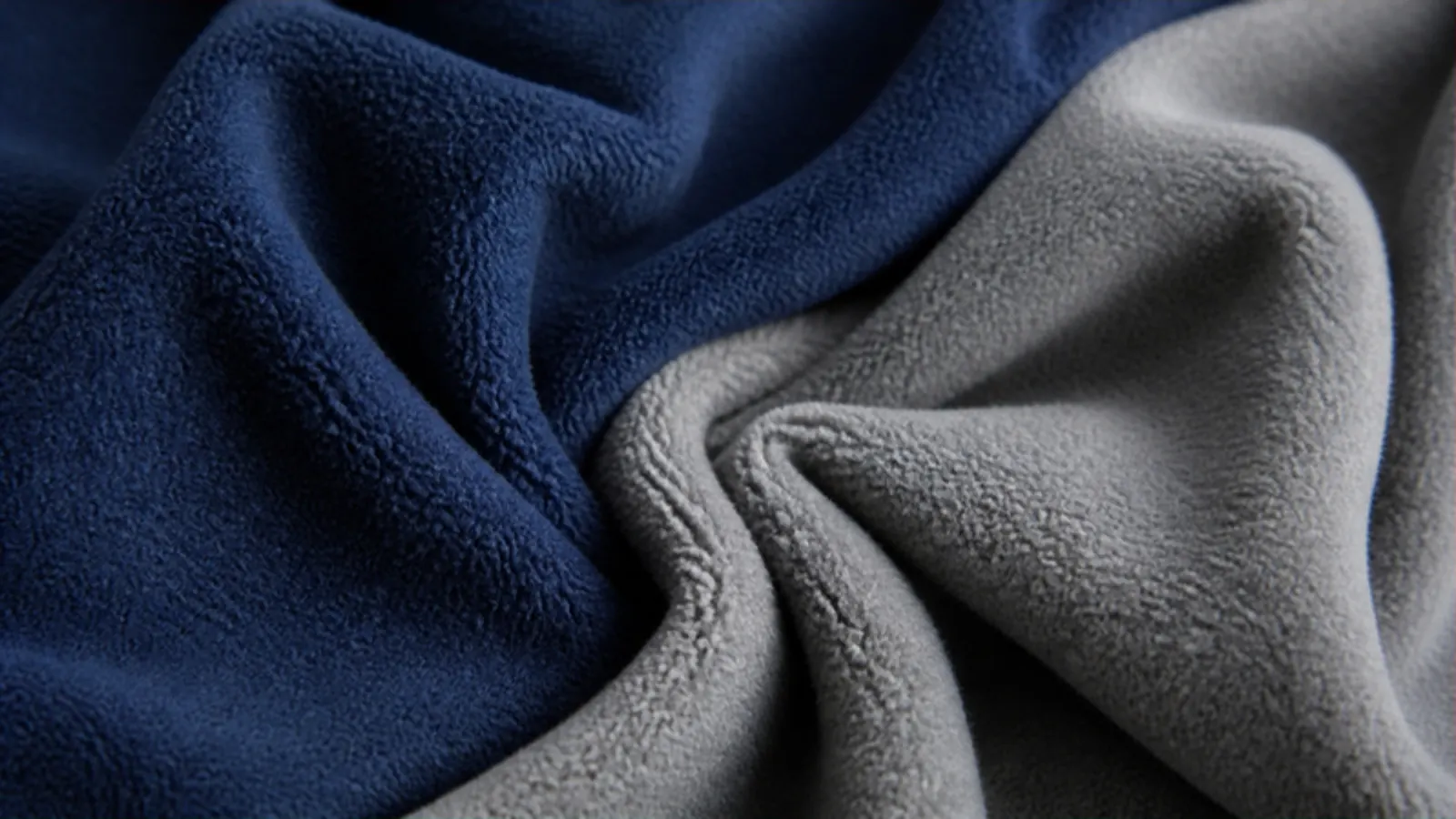
Double-Face Fleece
Two faces, often in two colours, so both sides can be worn out.
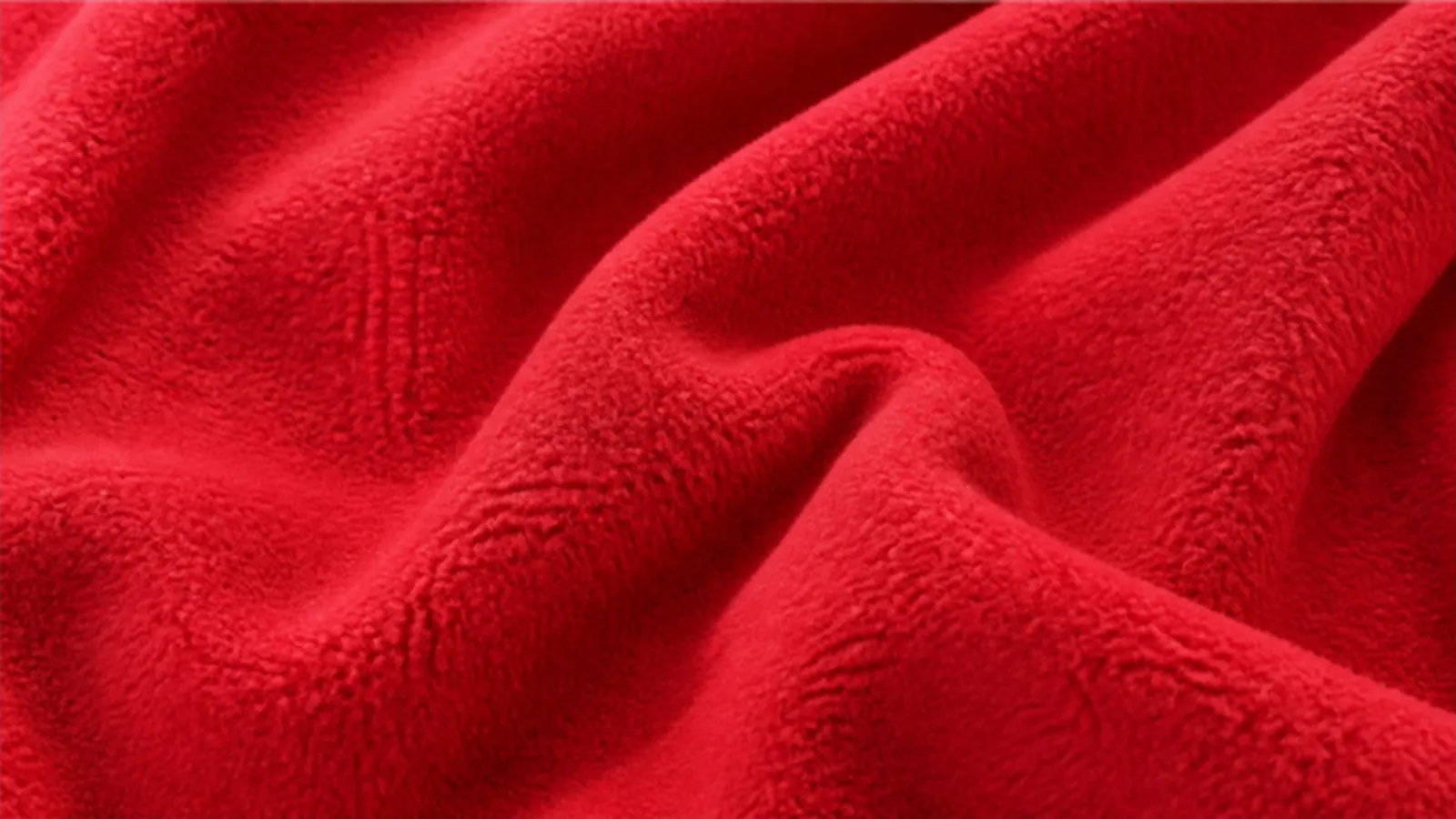
Polar Fleece
Polyester fleece brushed on both sides with an anti-pill finish. Light and warm.
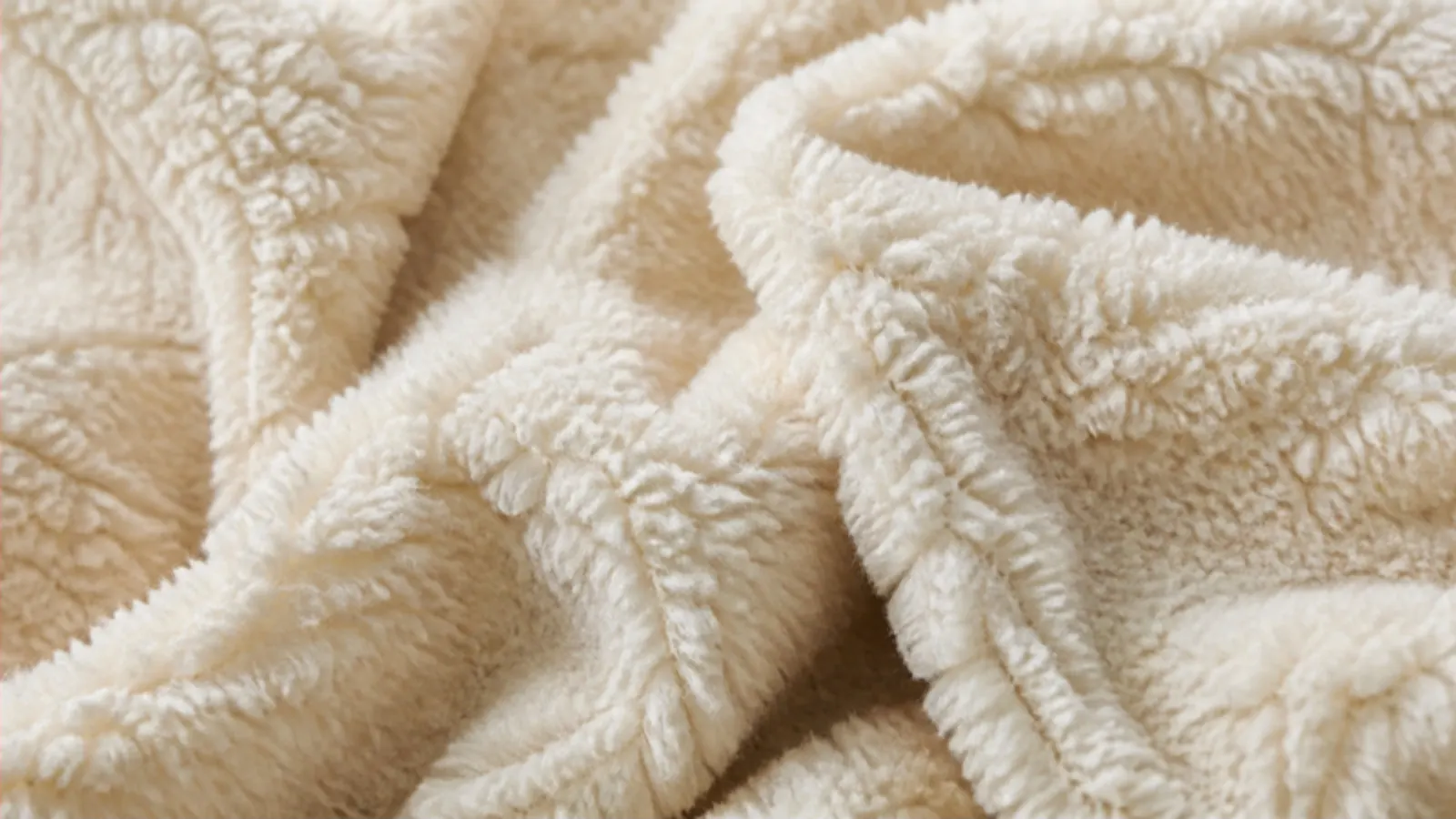
Sherpa / Teddy
Curly pile that imitates sheepskin. Warm, cosy, eye-catching.
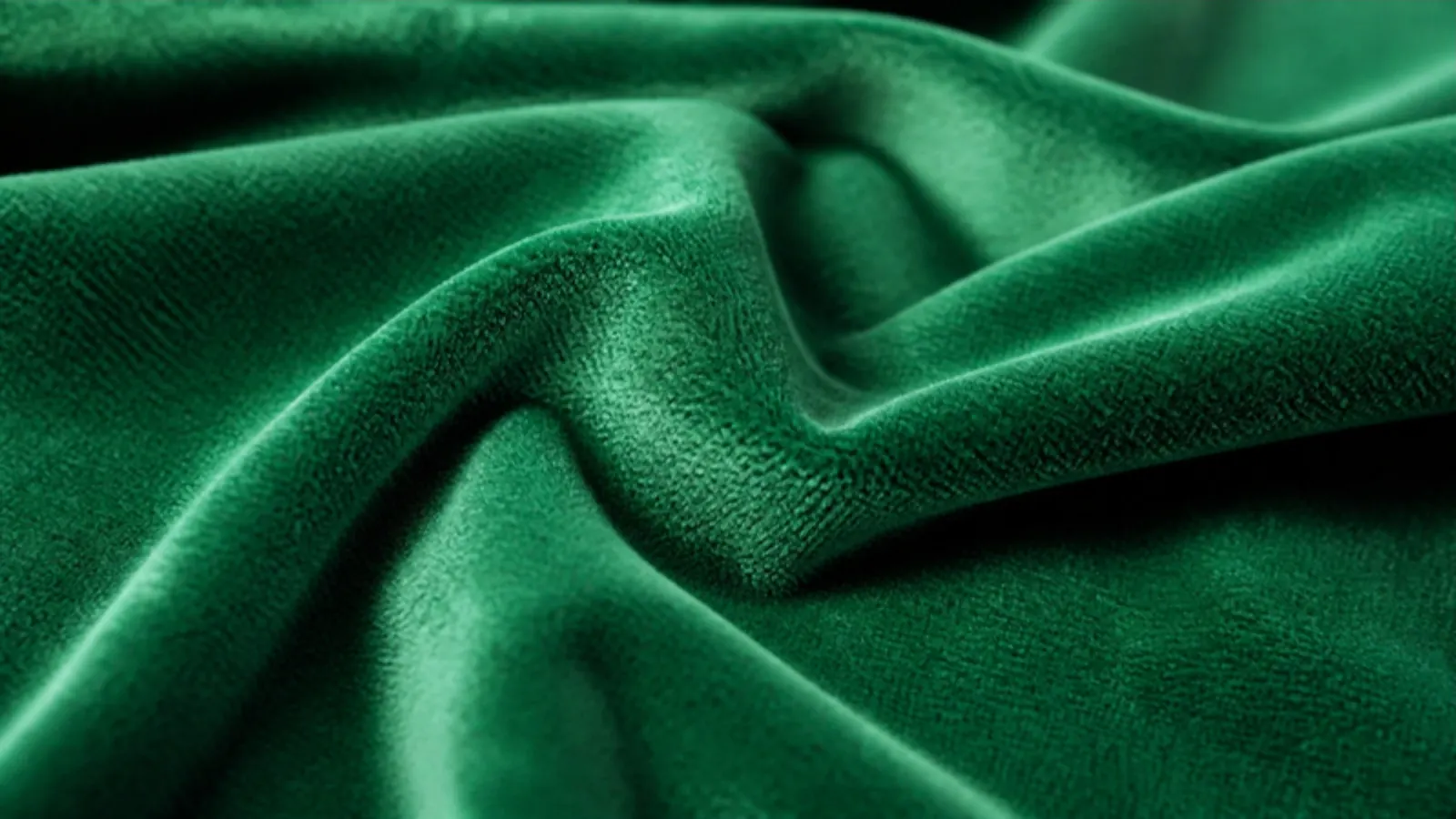
Velour
Knit with a short cut pile and soft sheen.
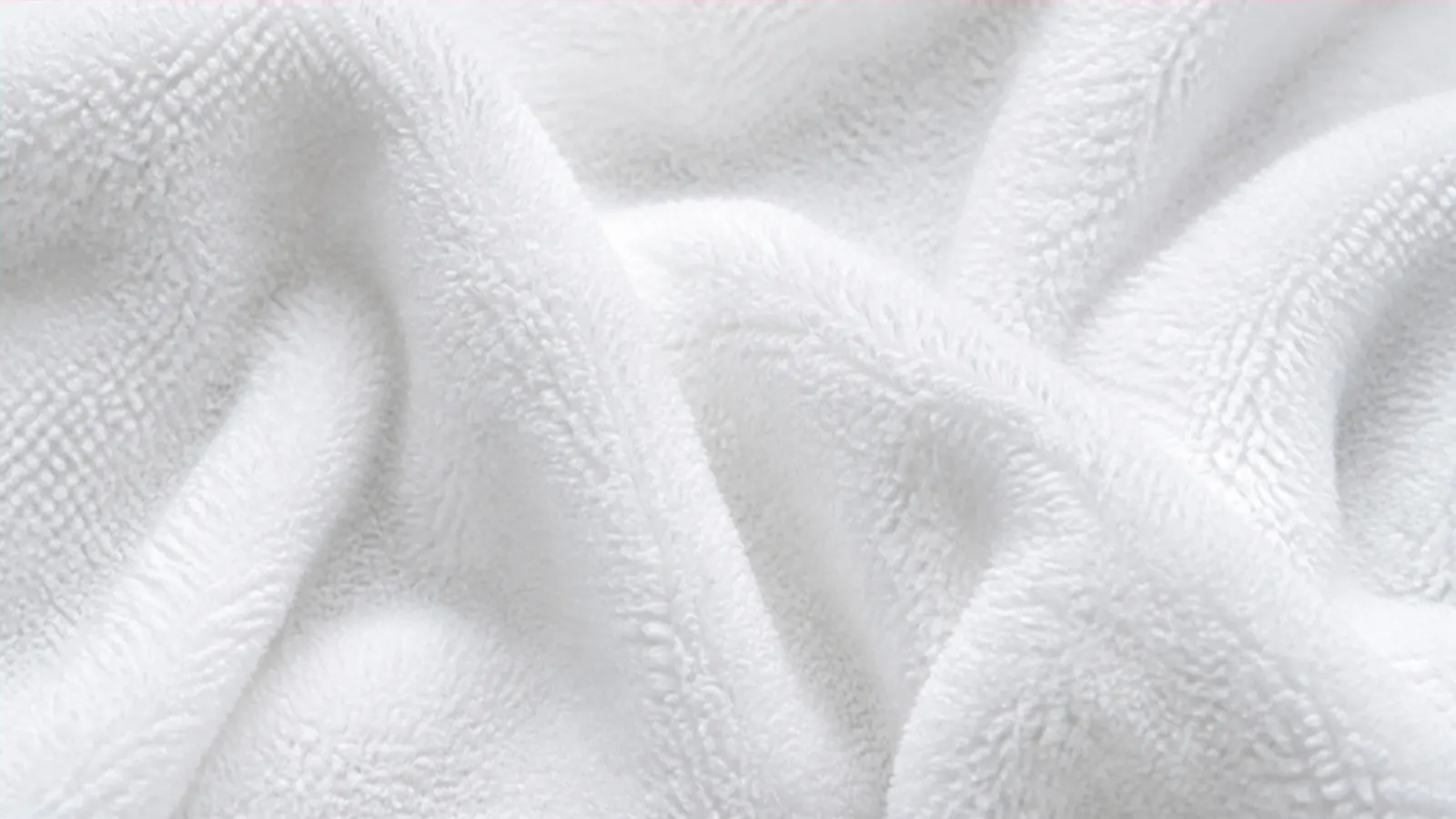
Terry Towelling
Uncut loops on the face for absorbency and a retro texture.
Performance Fabrics for Activewear and Sportswear
Activewear needs its own types of fabric for clothes, made to stretch, breathe and dry fast. Technical knits from Italian and Portuguese mills for gym, running, yoga and swim: compression, moisture management and recovery.
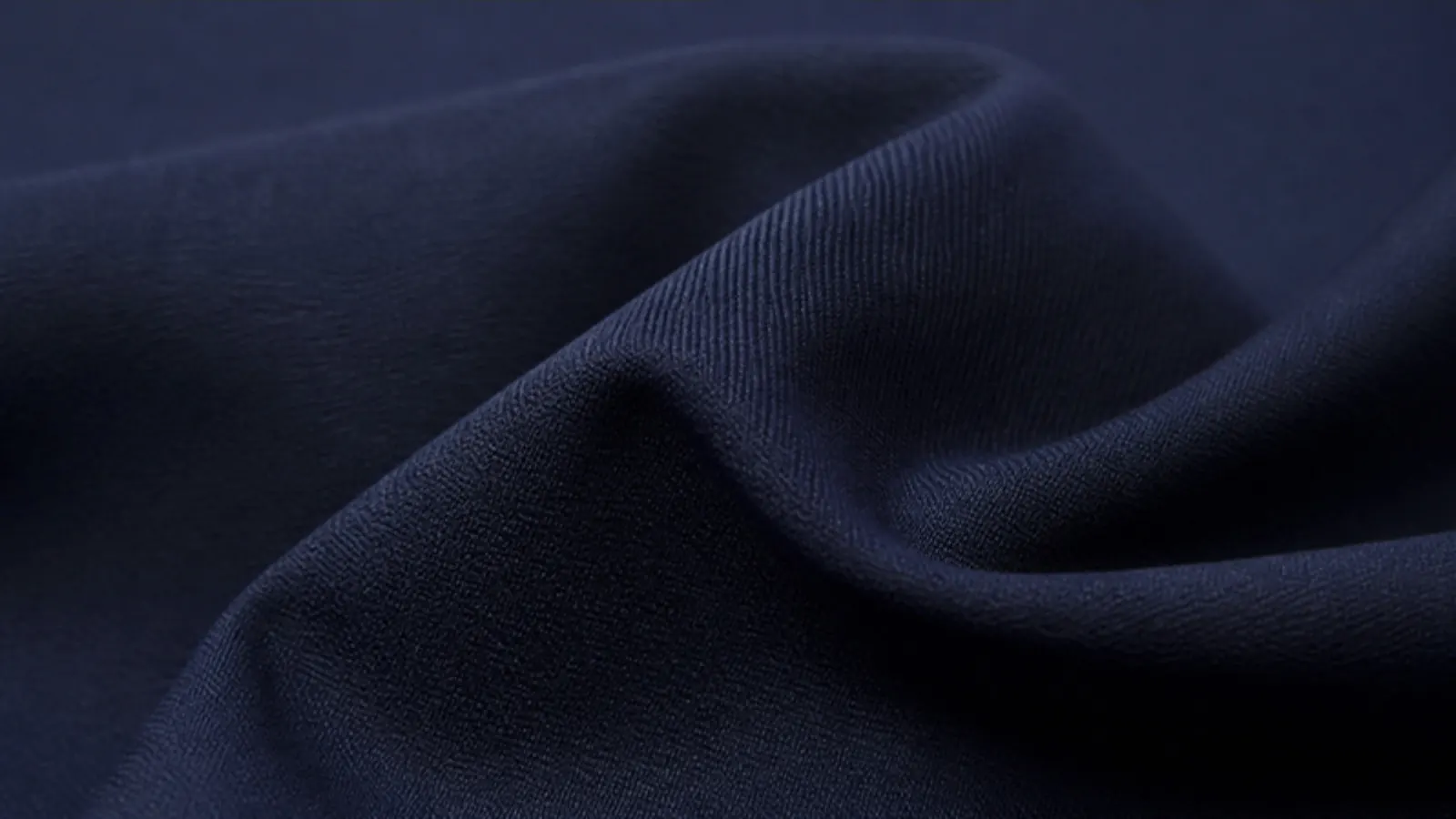
4-Way Stretch Nylon/Elastane
Stretches in all directions with strong recovery. Matte, squat-proof and opaque.
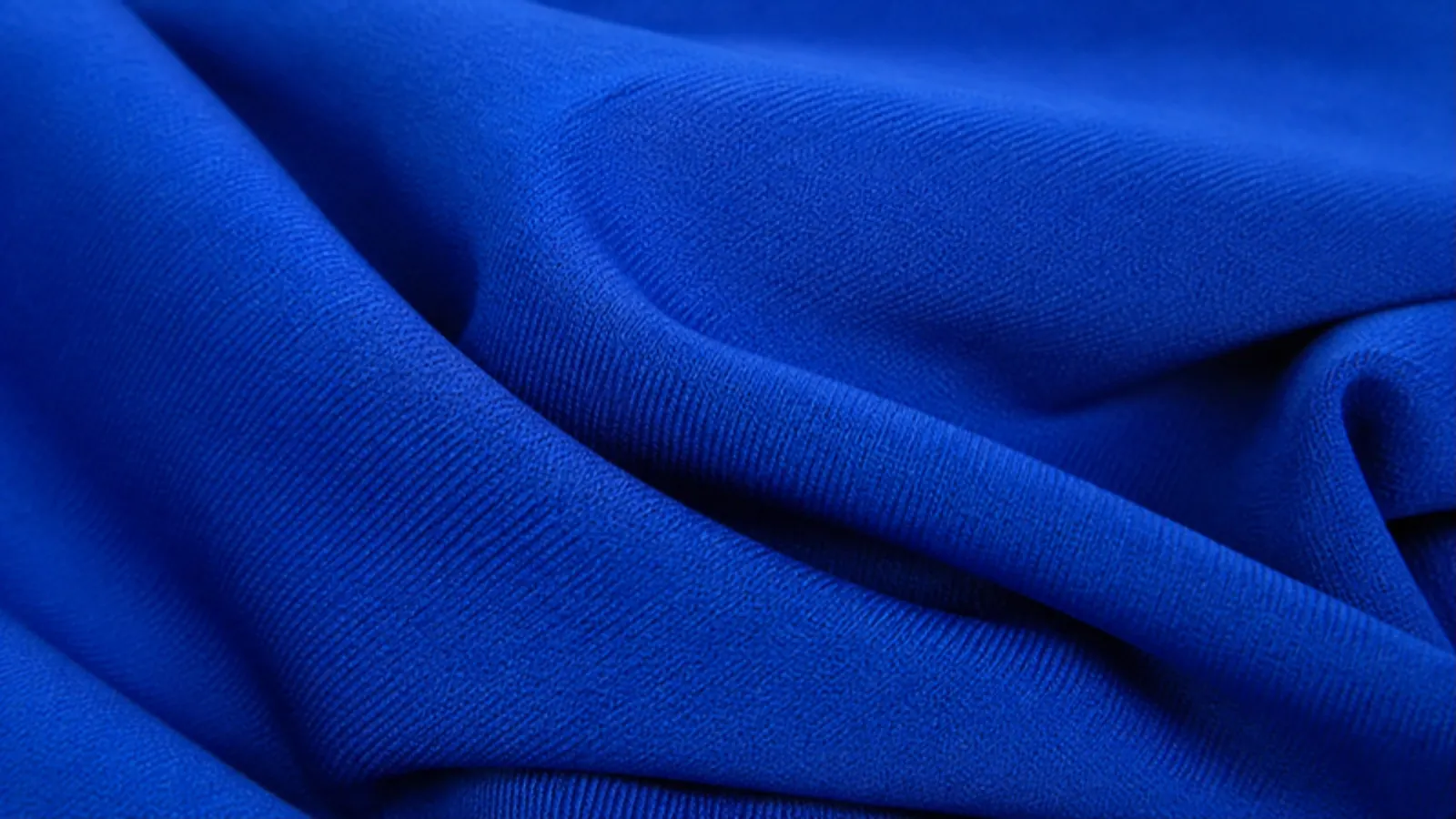
Polyester/Elastane
Durable stretch knit that holds colour and dries fast.
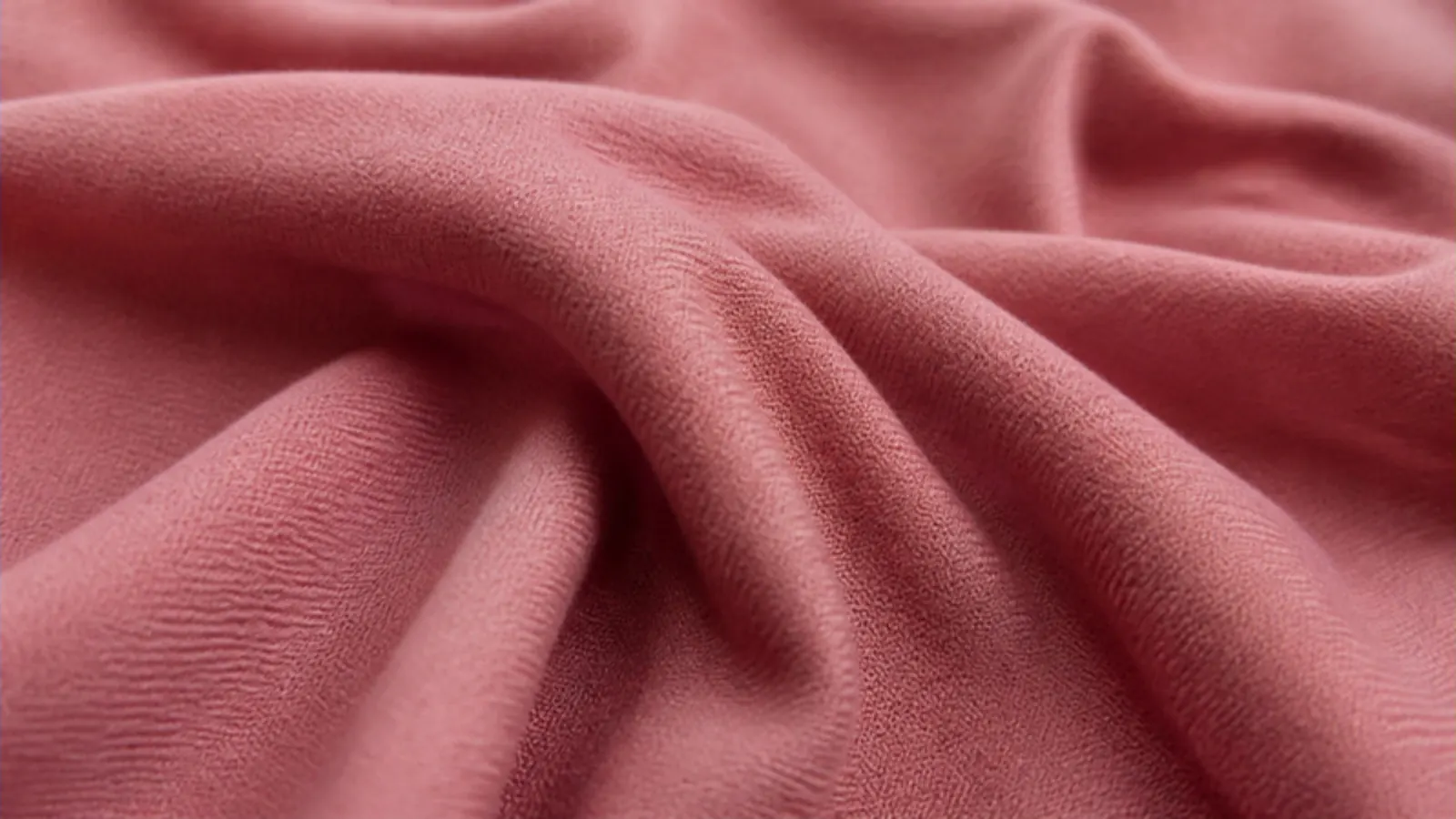
Tactel
Nylon microfibre with a cotton-like touch, lighter and quicker to dry.
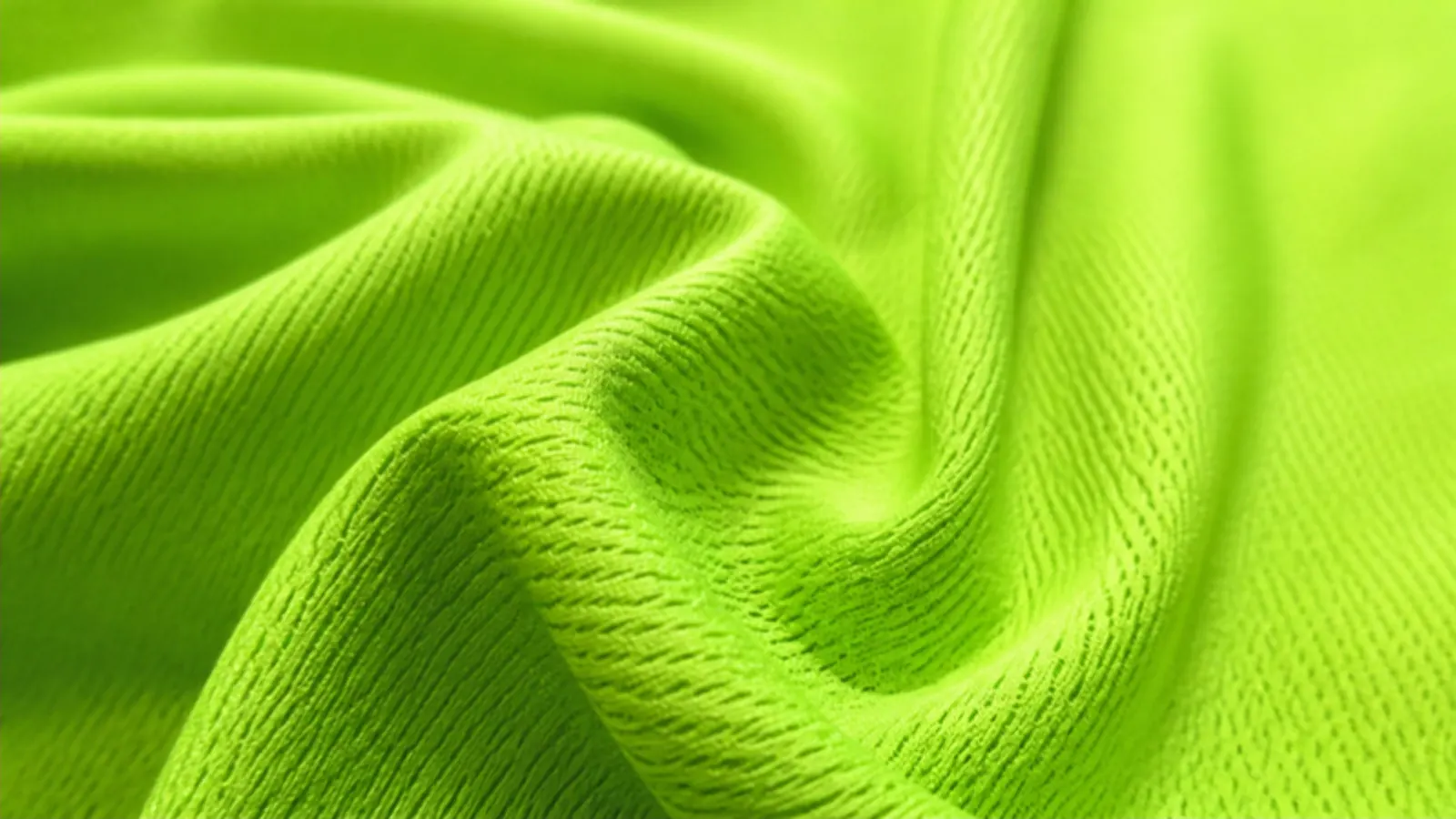
Moisture-Wicking Polyester
Engineered yarns pull sweat away from the skin to the surface to evaporate.
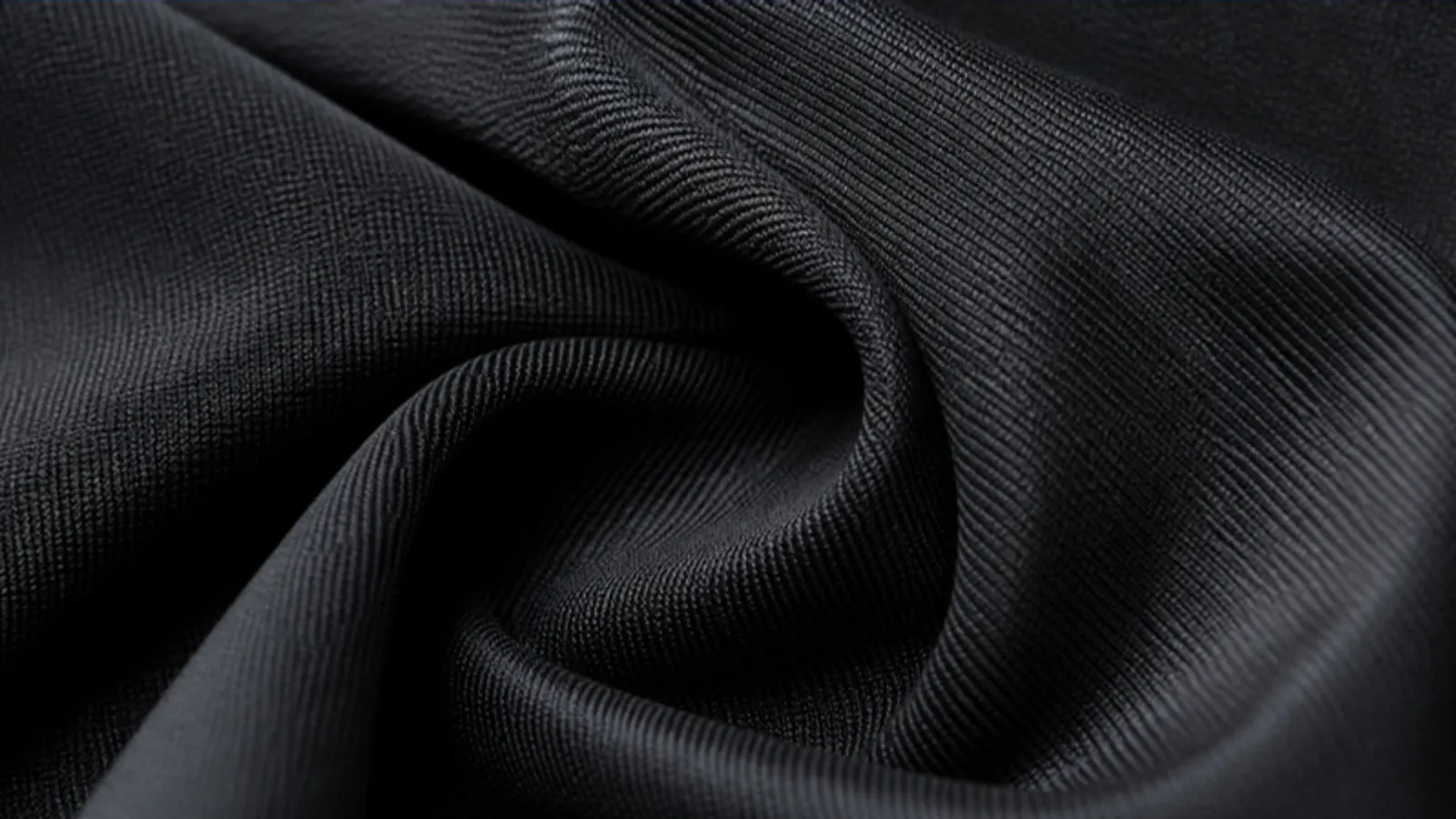
Compression / Power
High elastane content for firm support and muscle hold.
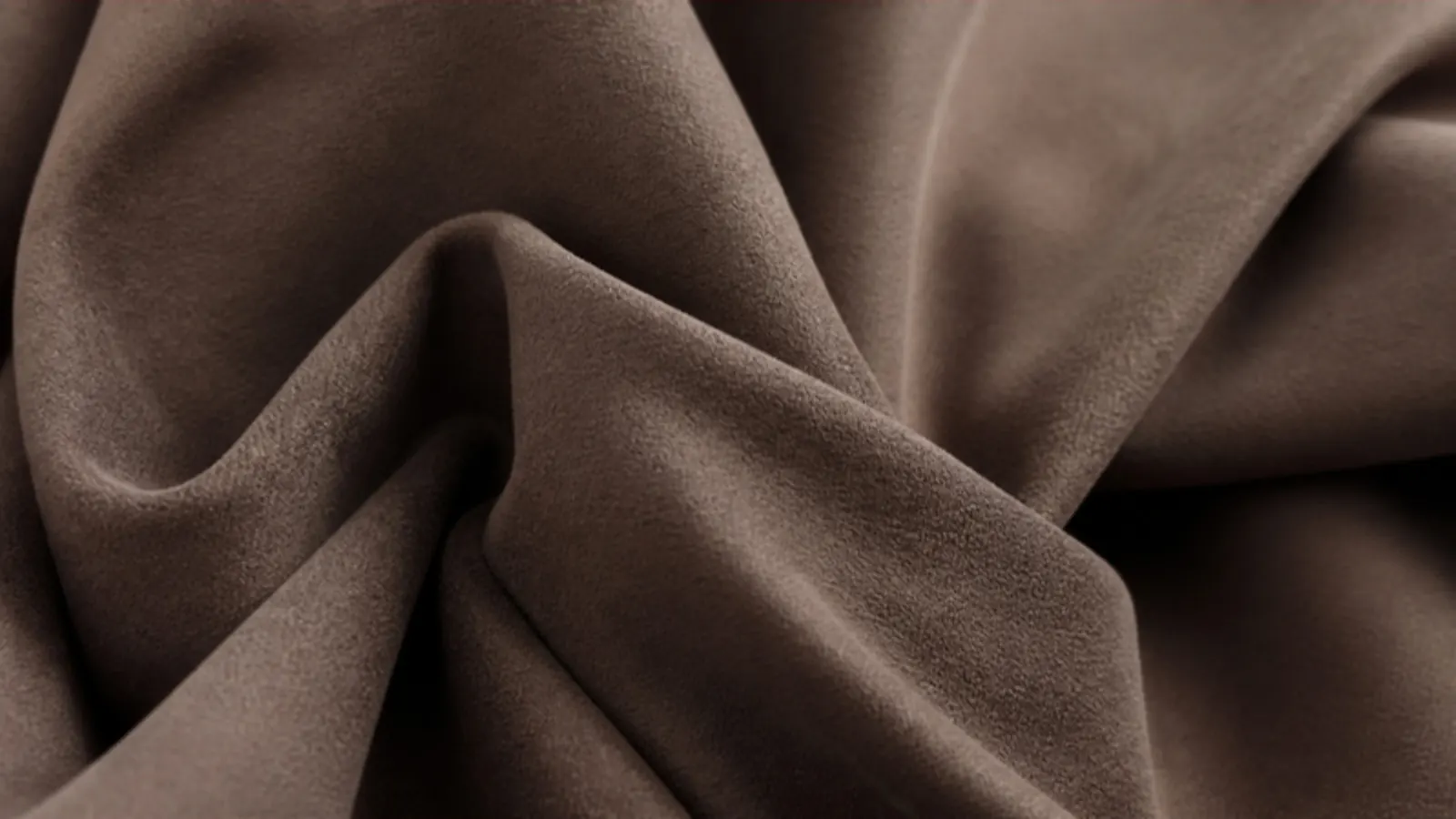
Peach-Touch Matte
Sanded surface with a velvety, second-skin feel.
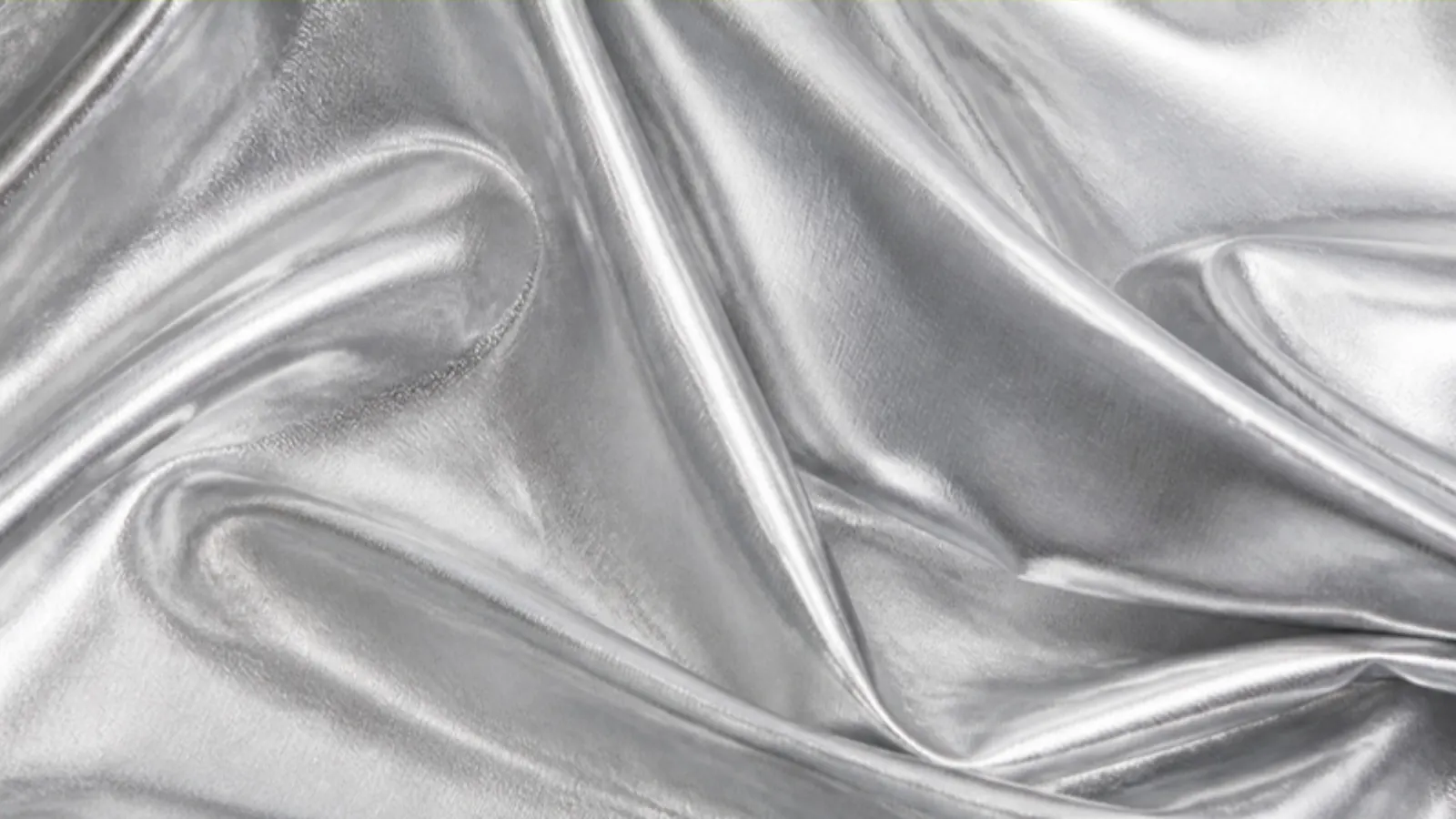
Supershiny Stretch
High-gloss satin-effect stretch for a bold, wet look.
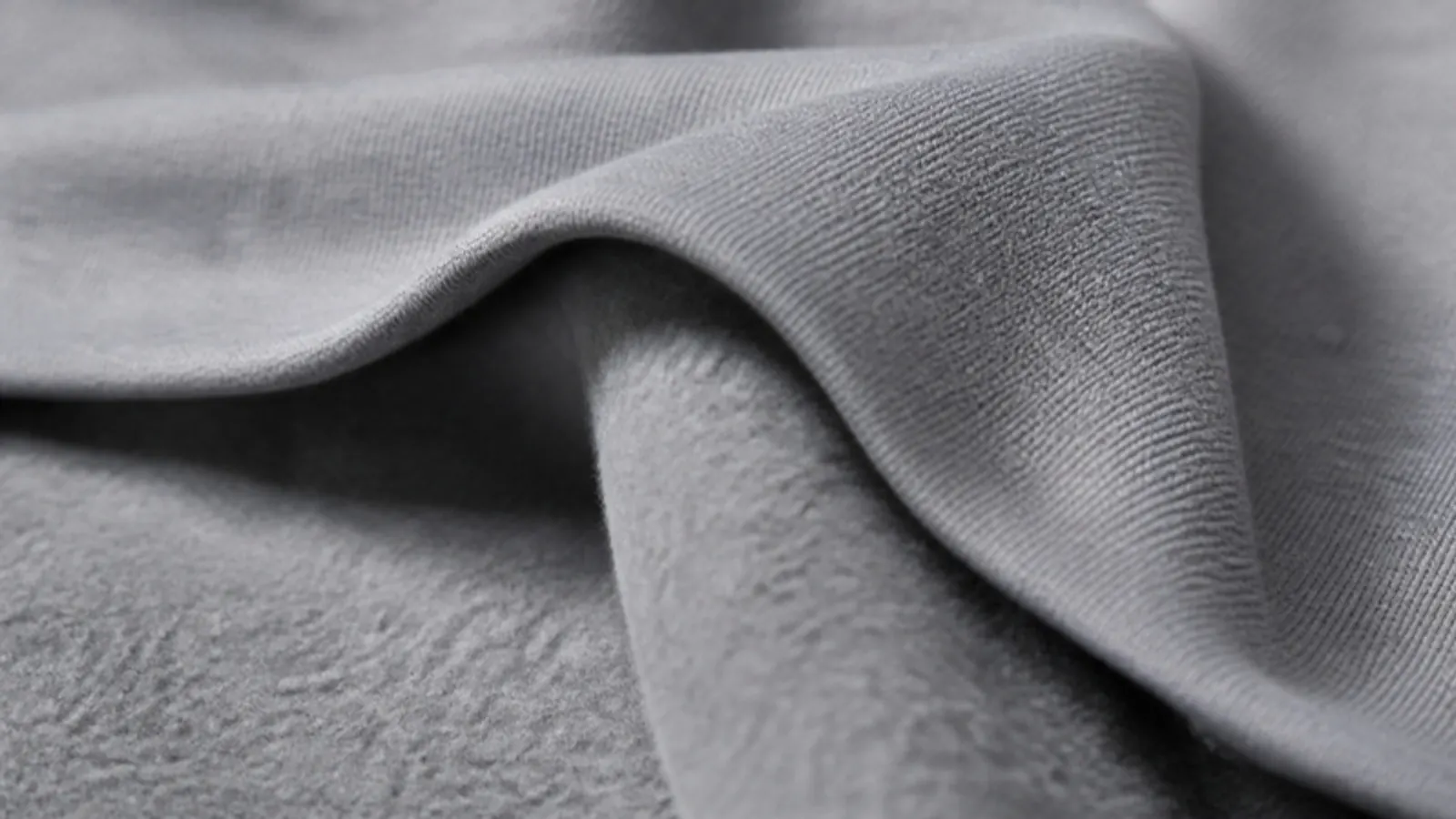
Brushed-Back Thermal
Smooth face with a brushed fleecy inside for cold-weather training.
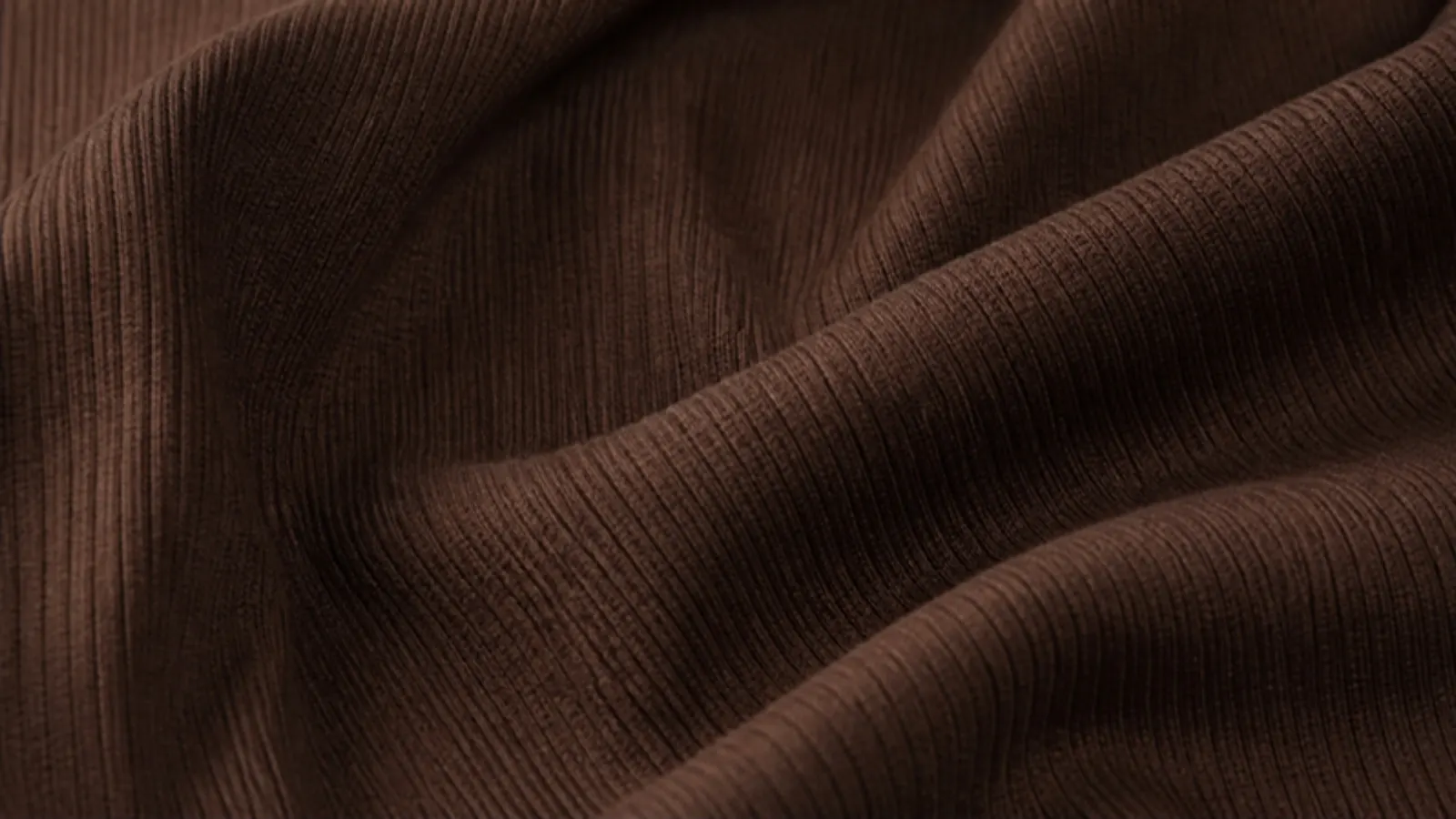
Performance Rib
Stretch rib with structure and recovery.
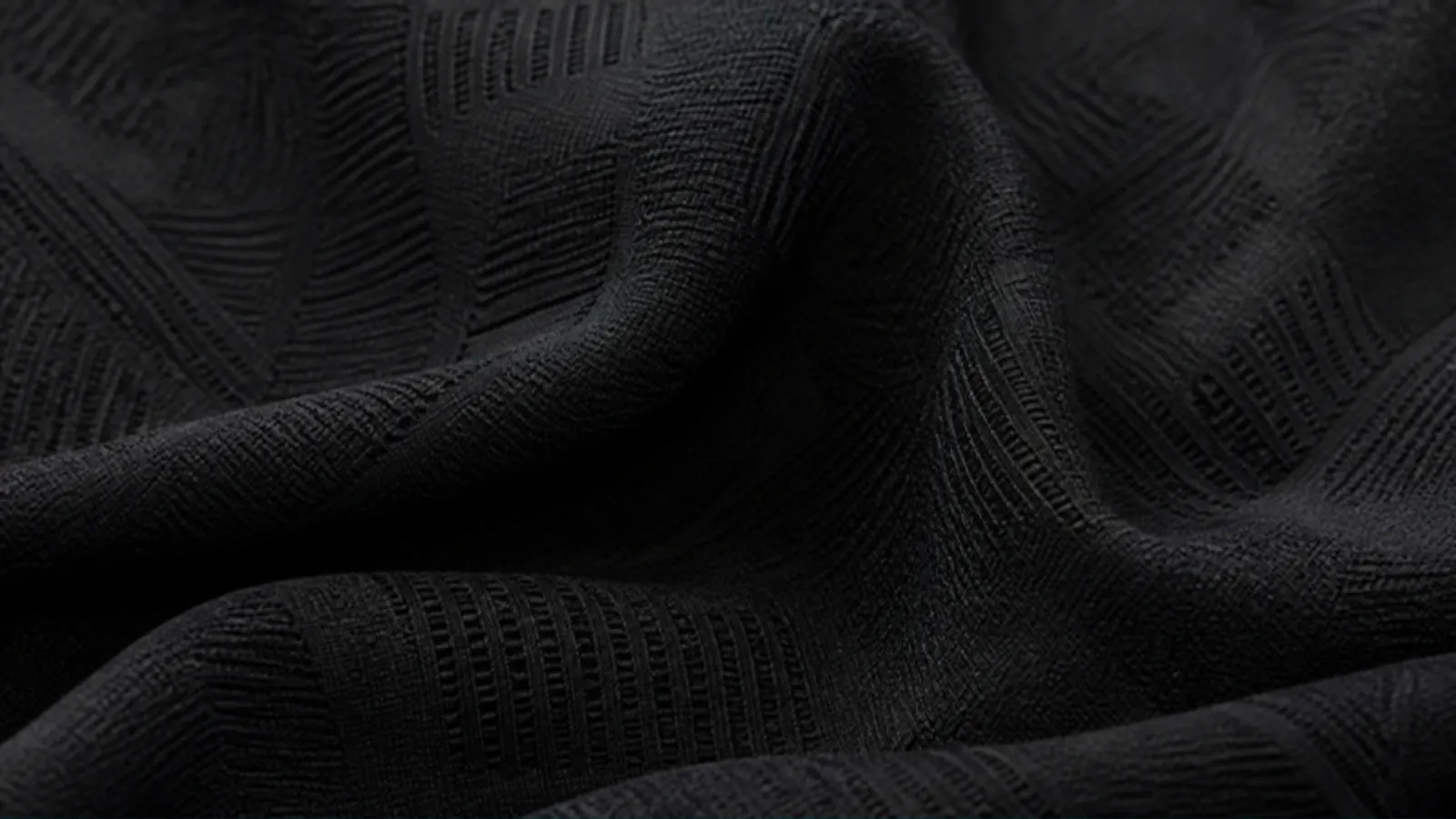
Performance Jacquard
Texture and patterns knitted into a stretch fabric.
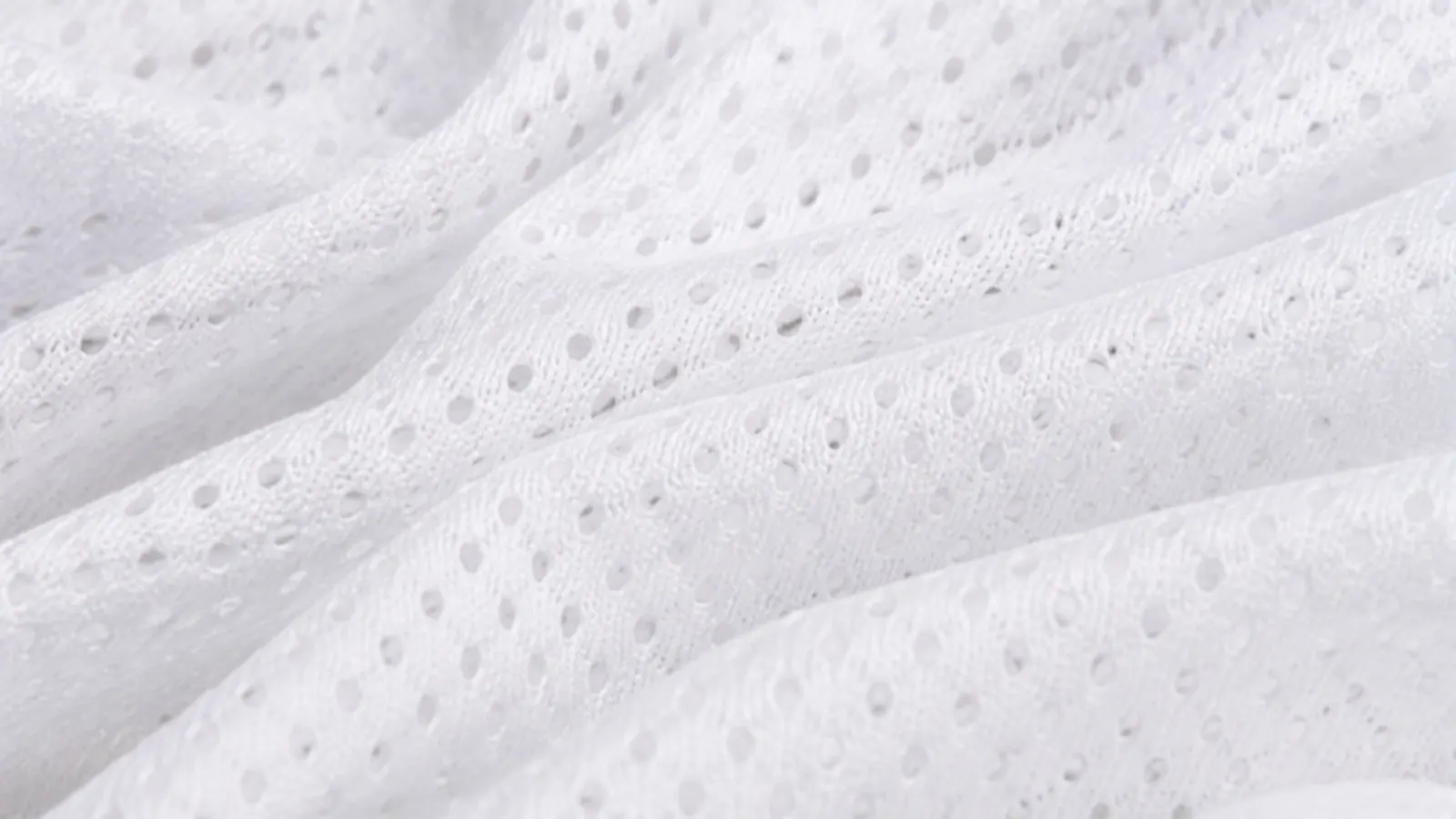
Mesh
Open-hole knit for ventilation zones and layering.
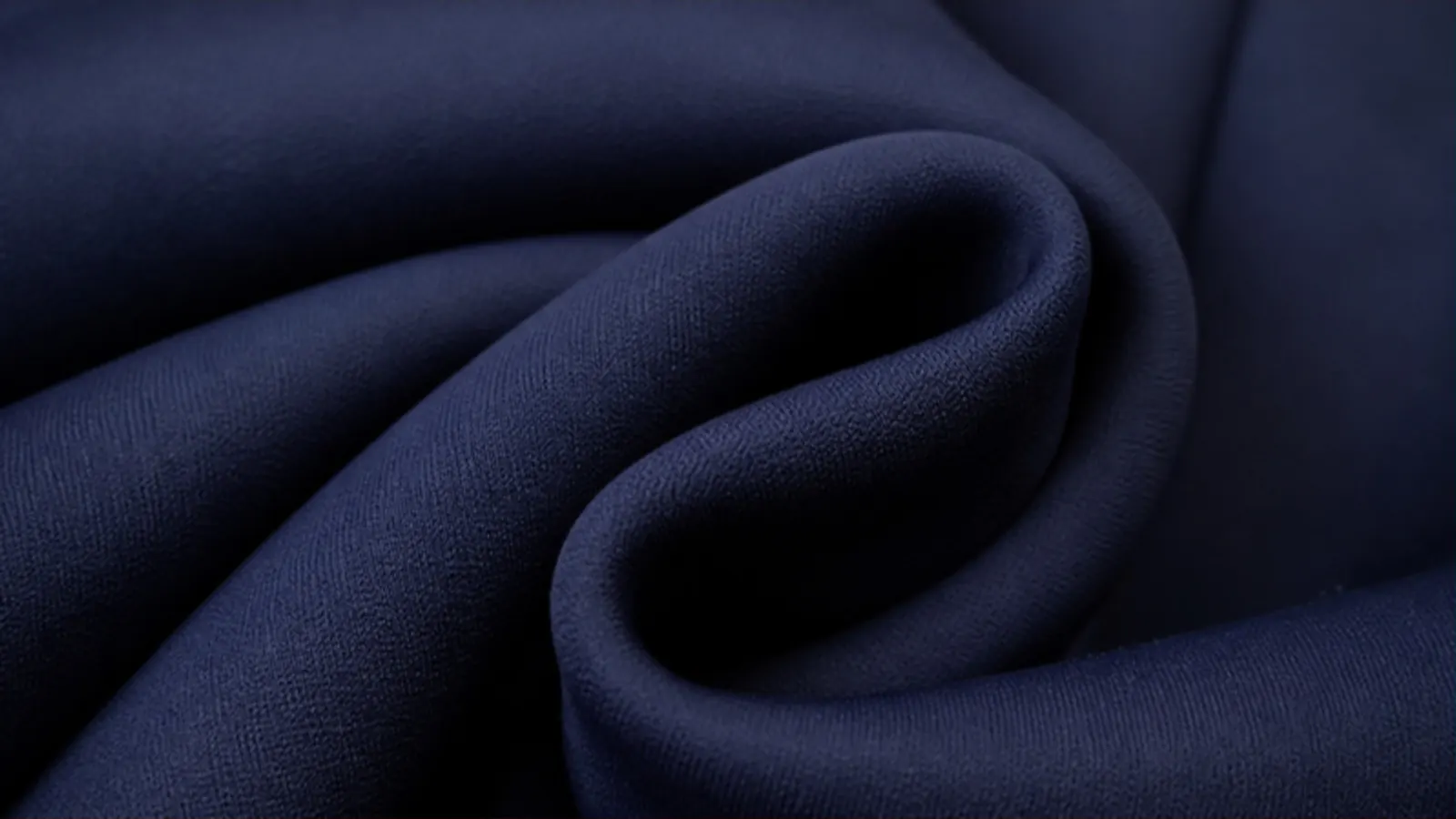
Scuba
Thick, smooth double knit with a spongy body that holds shape.
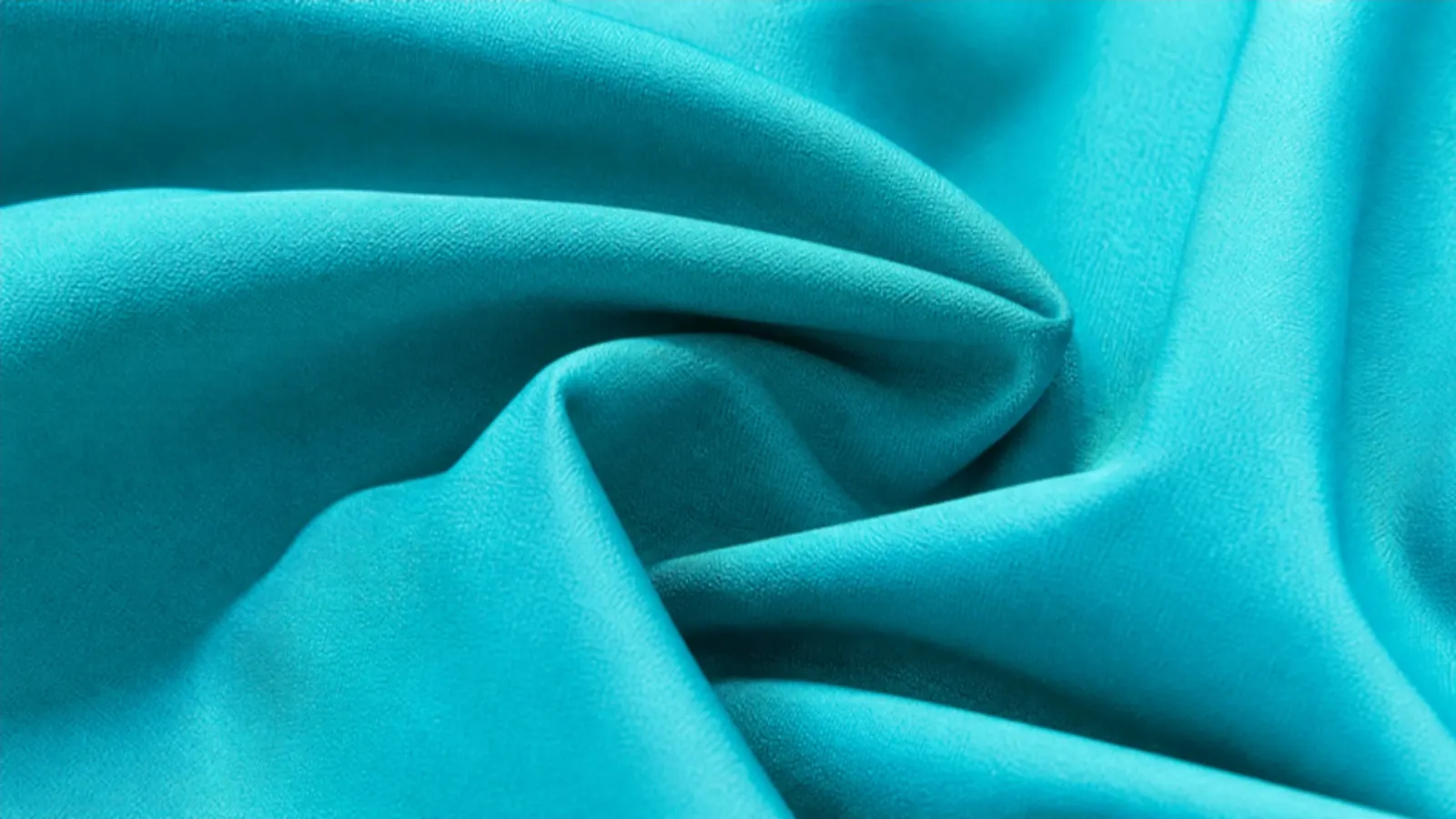
Swim Fabric
Chlorine-resistant stretch with UV protection.
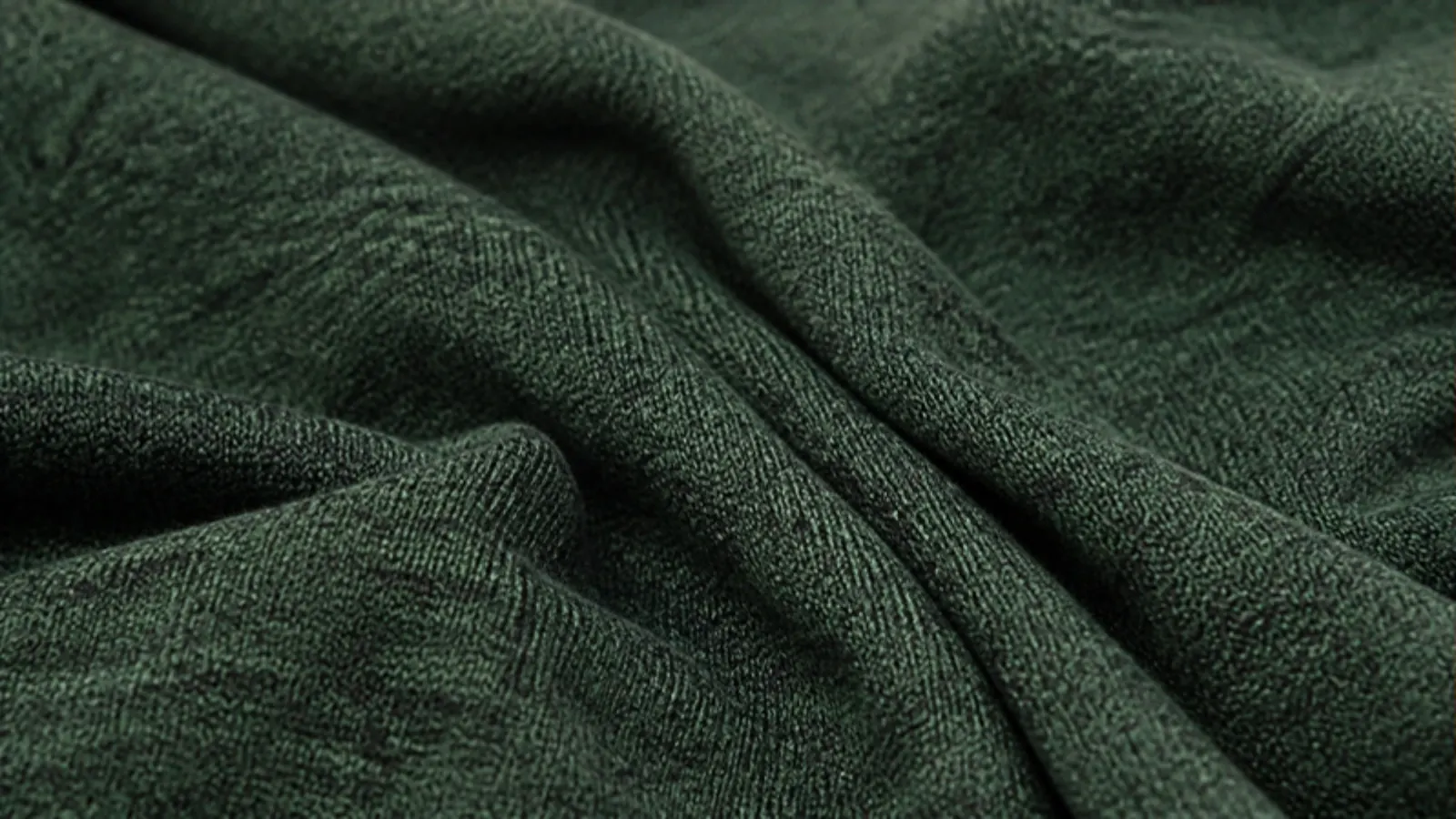
Merino Performance Blend
Merino and synthetics for warmth, odour control and durability.
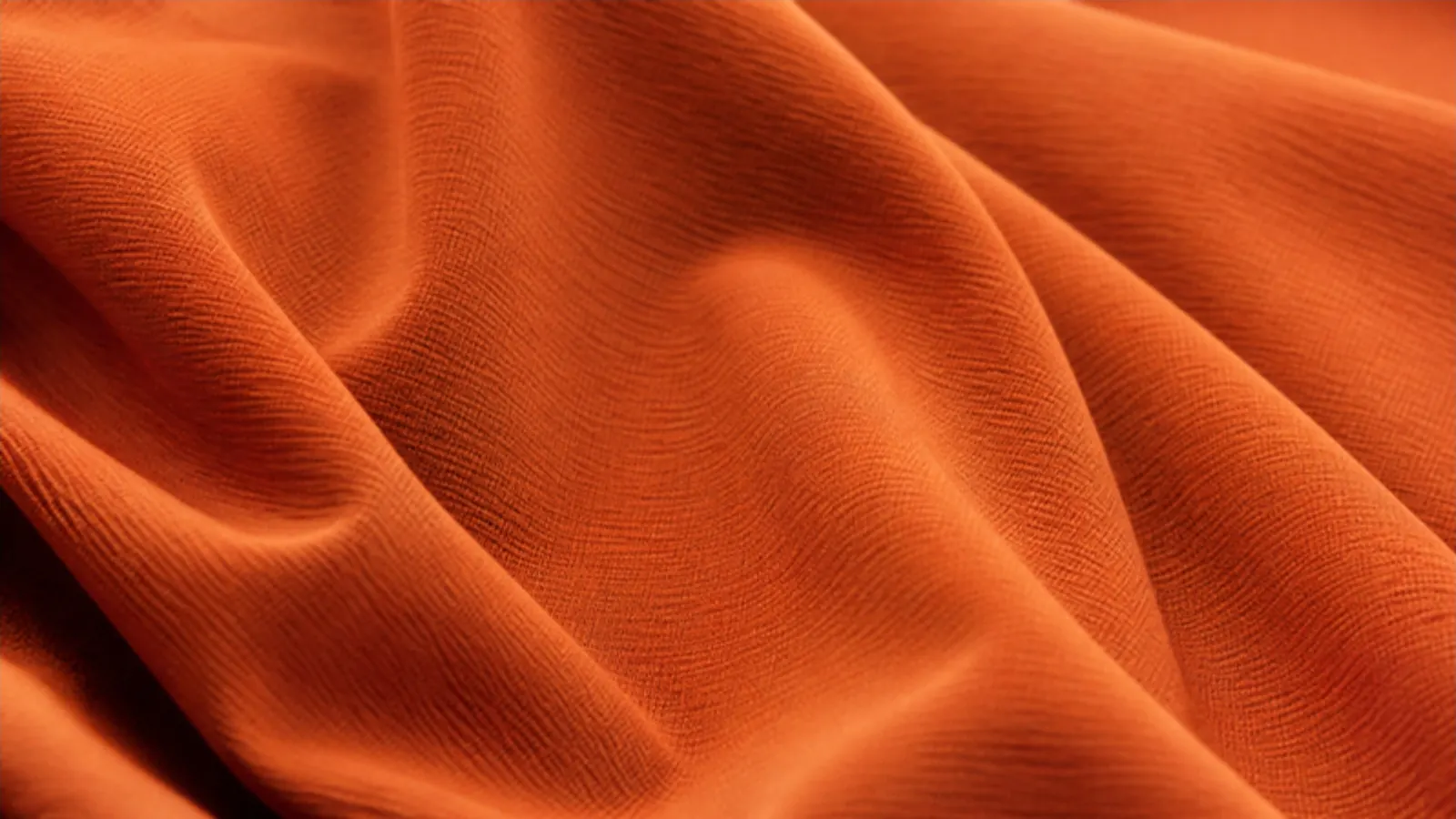
Recycled Performance
Recycled nylon or polyester with the same stretch and recovery.
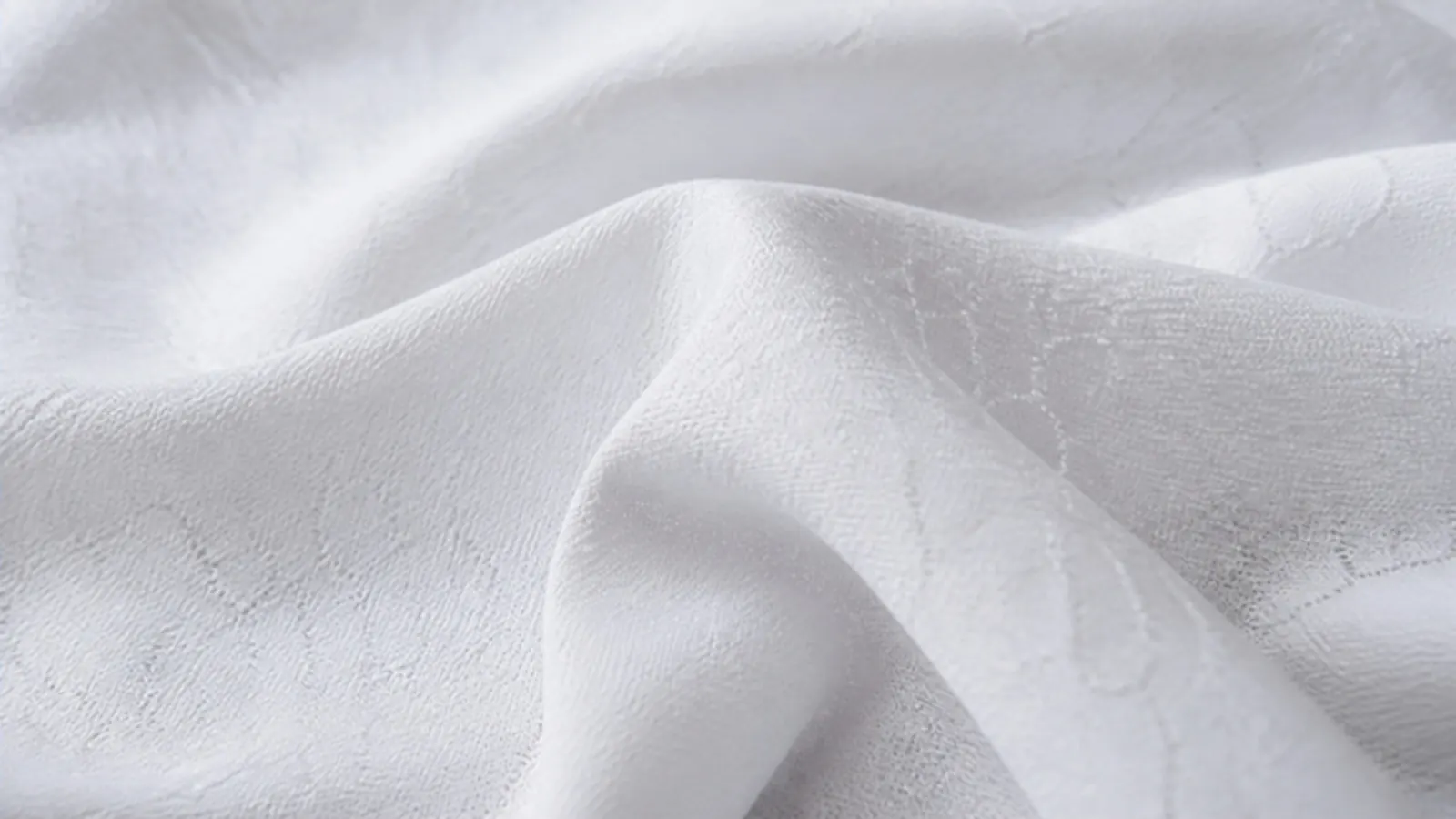
Micro-Pattern Stretch
Lightweight polyester/elastane with a delicate knitted pattern. Breathable, soft and high-wicking.
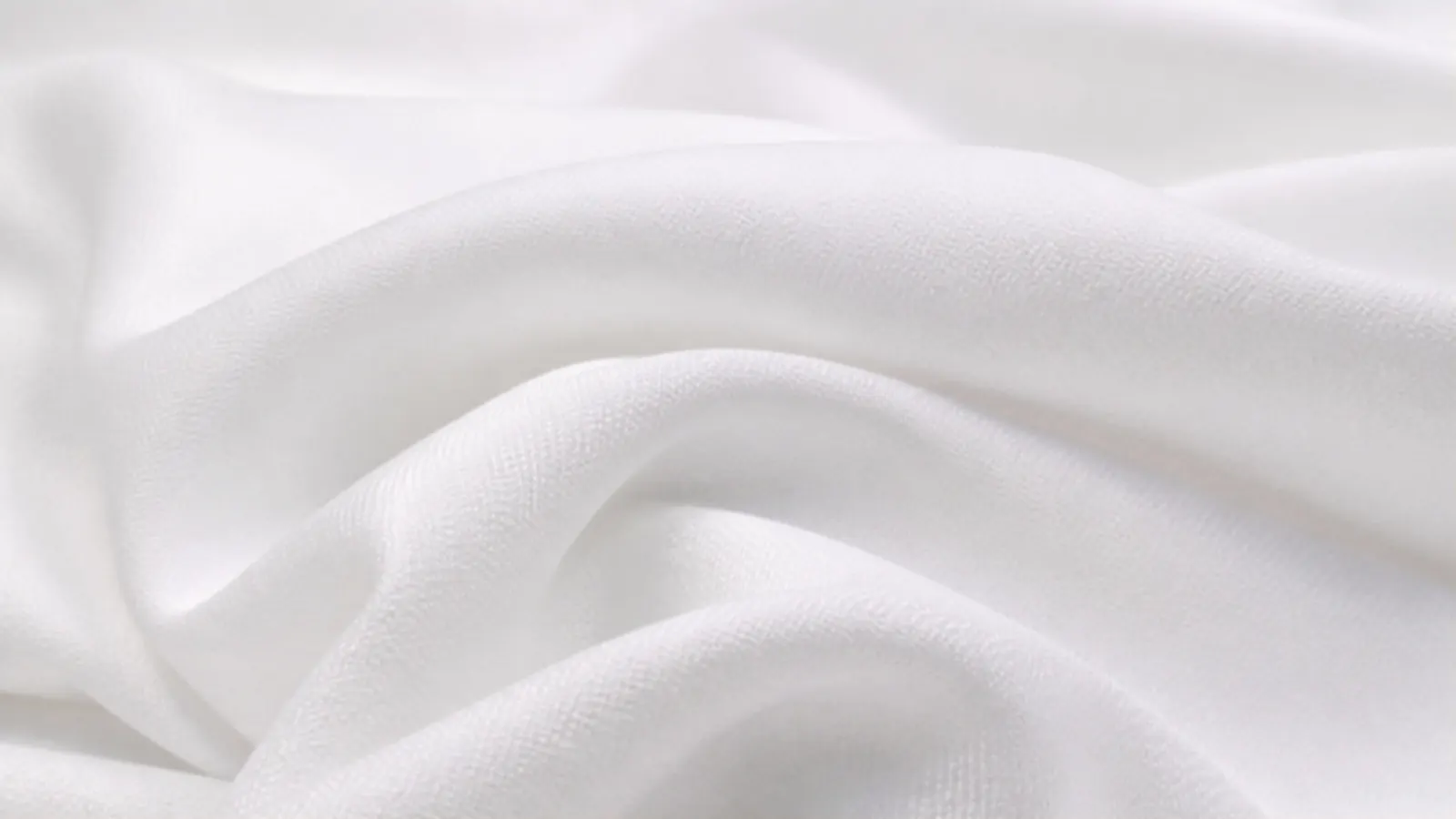
Ready-to-Print Stretch
Optic-white stretch prepared for print, so sublimation and digital prints come out sharp.
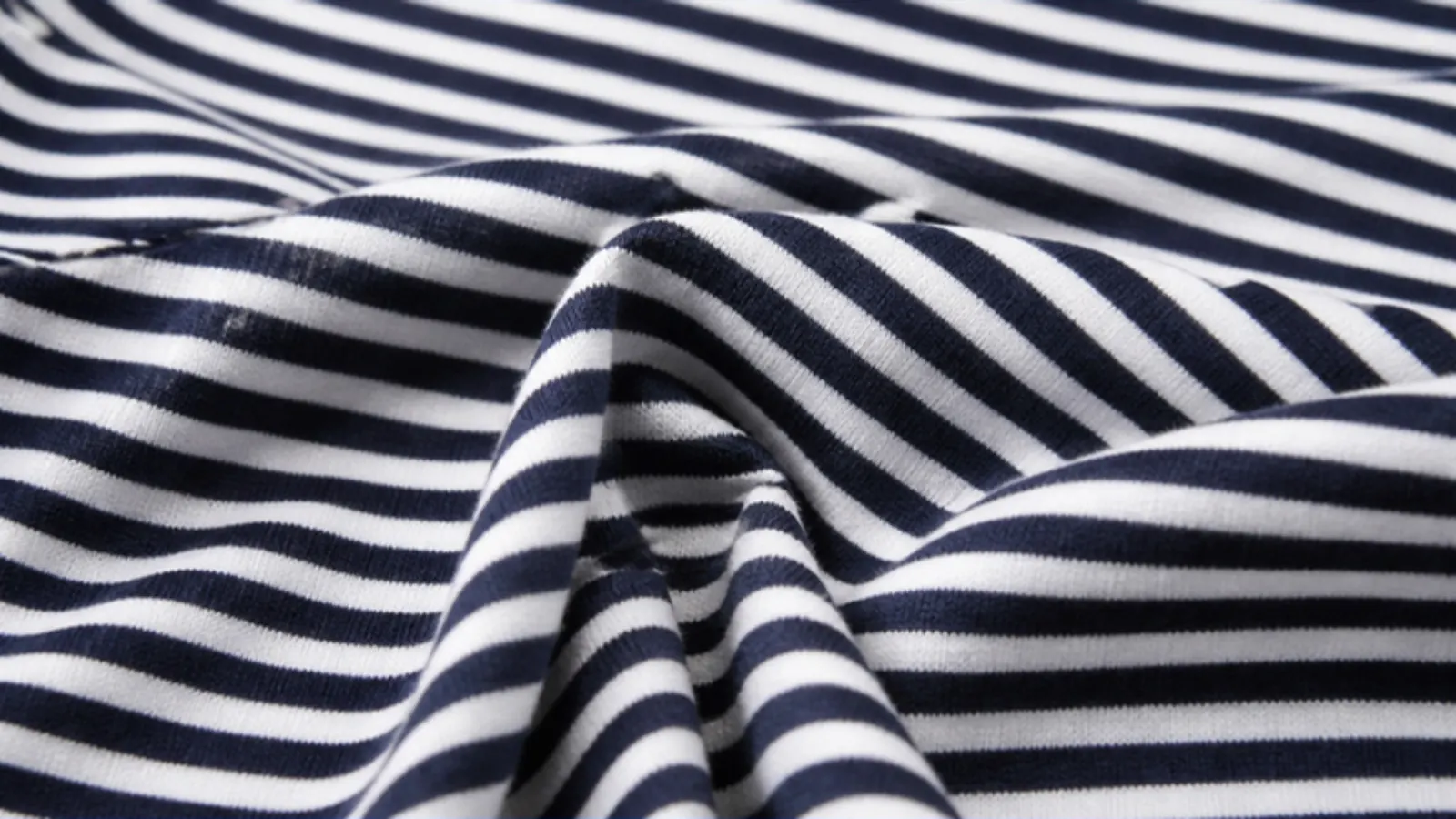
Striped Stretch Jersey
Yarn-dyed stripes knitted into a soft stretch jersey. The stripe never fades or cracks.
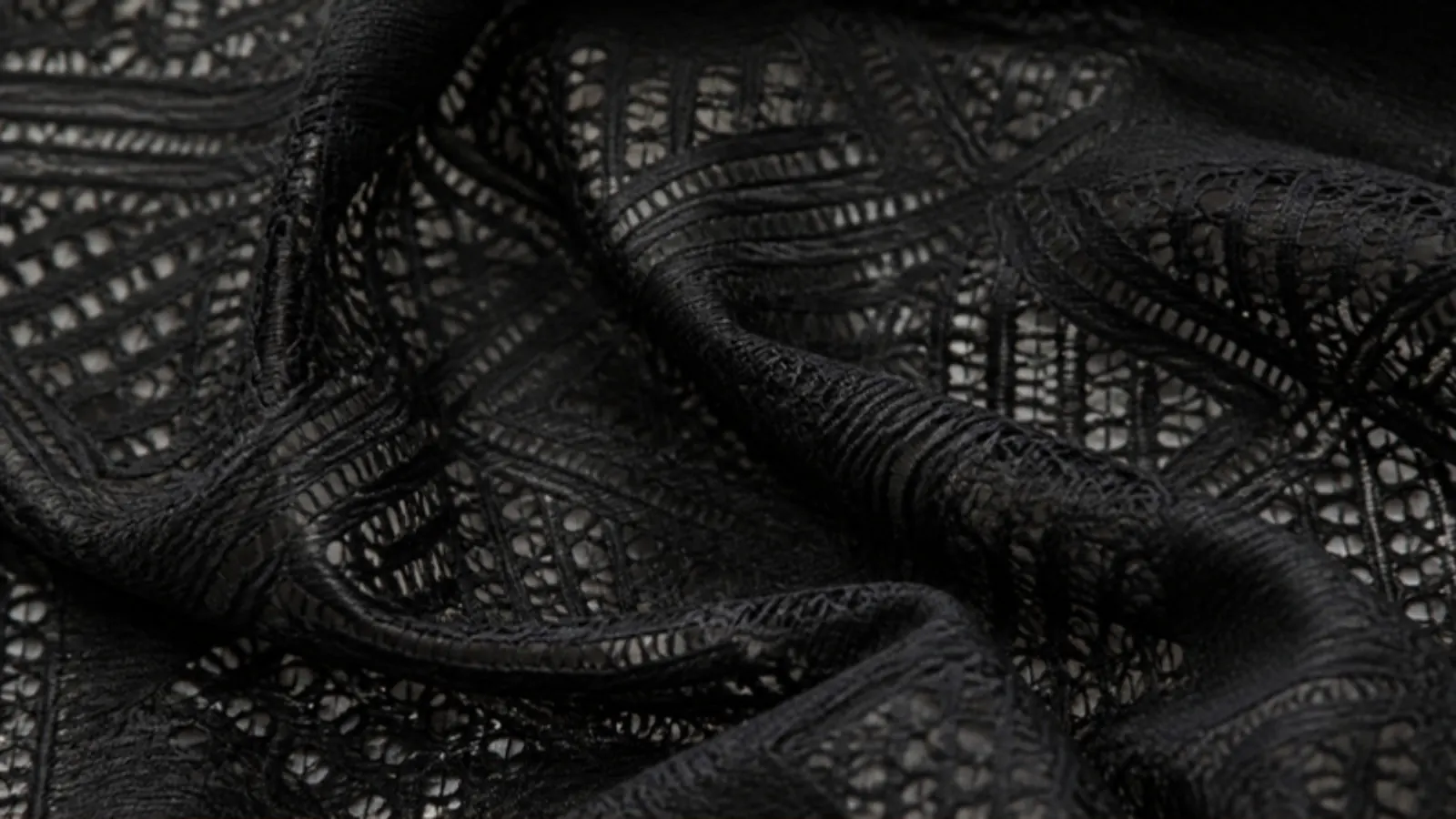
Stretch Lace
Elastic openwork lace for comfort and breathability with a fashion look.
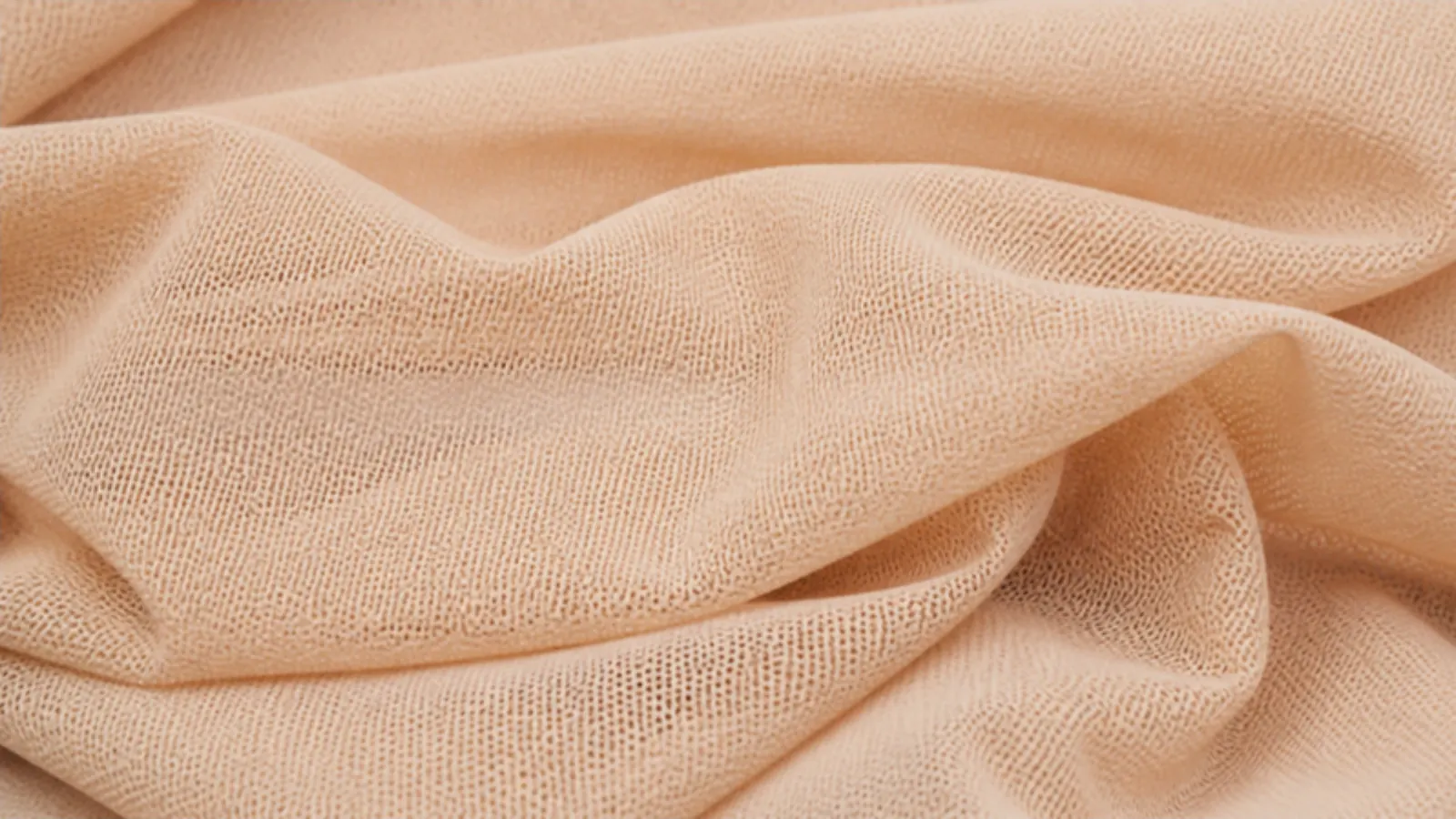
Power Mesh
Sheer, high-elastic net for shaping panels and support.
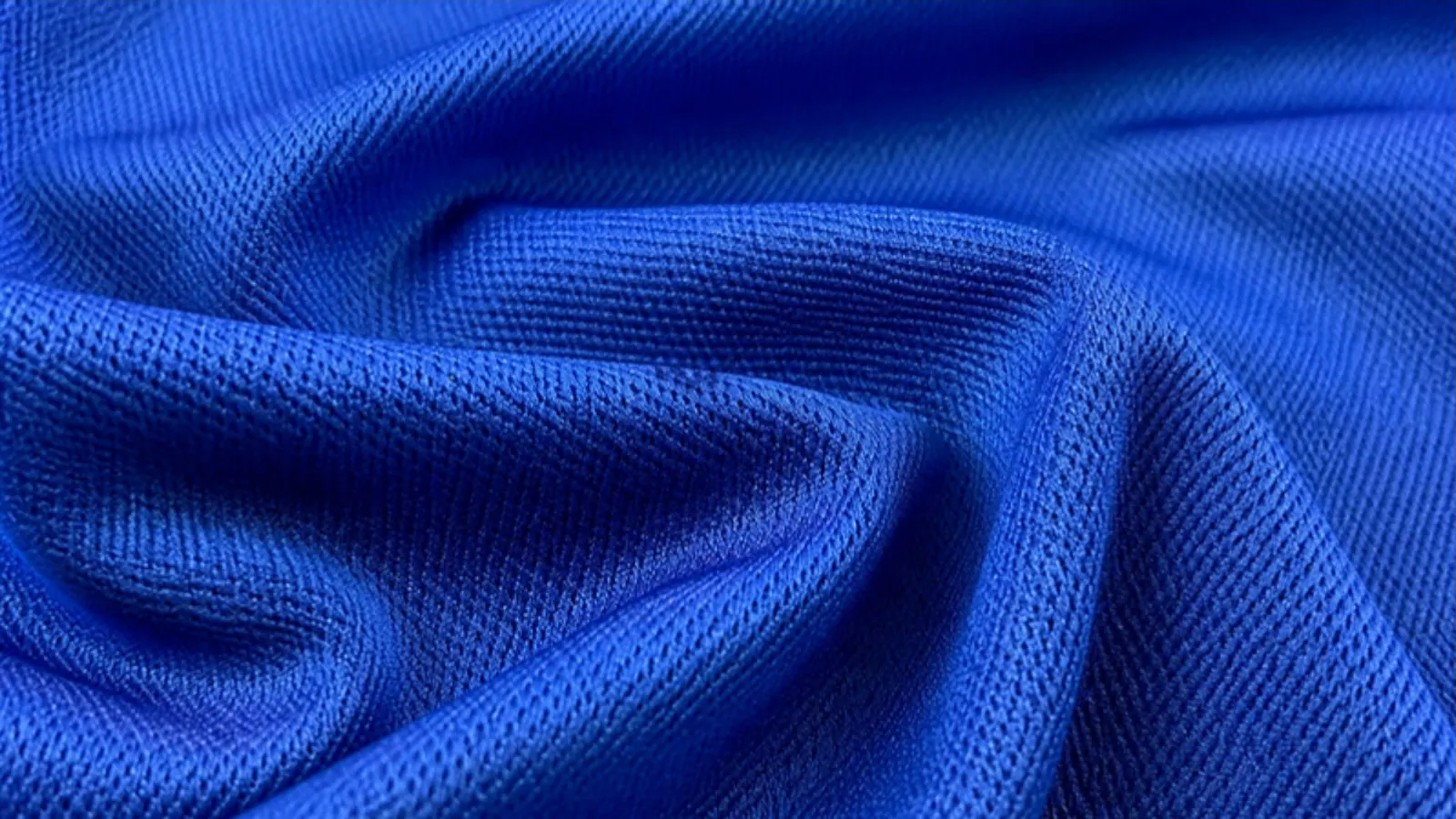
Performance Piqué
Technical piqué in quick-dry polyester. The look of a polo, the function of sportswear.
Denim Fabric: 6 oz to 20 oz, Rigid and Stretch
Denim is one of the oldest types of fabric for clothes and still one of the most worn. Indigo twills from 6 oz chambray to 20 oz raw denim, rigid or stretch. Denim is weighed in ounces per square yard: 1 oz ≈ 34 gsm.
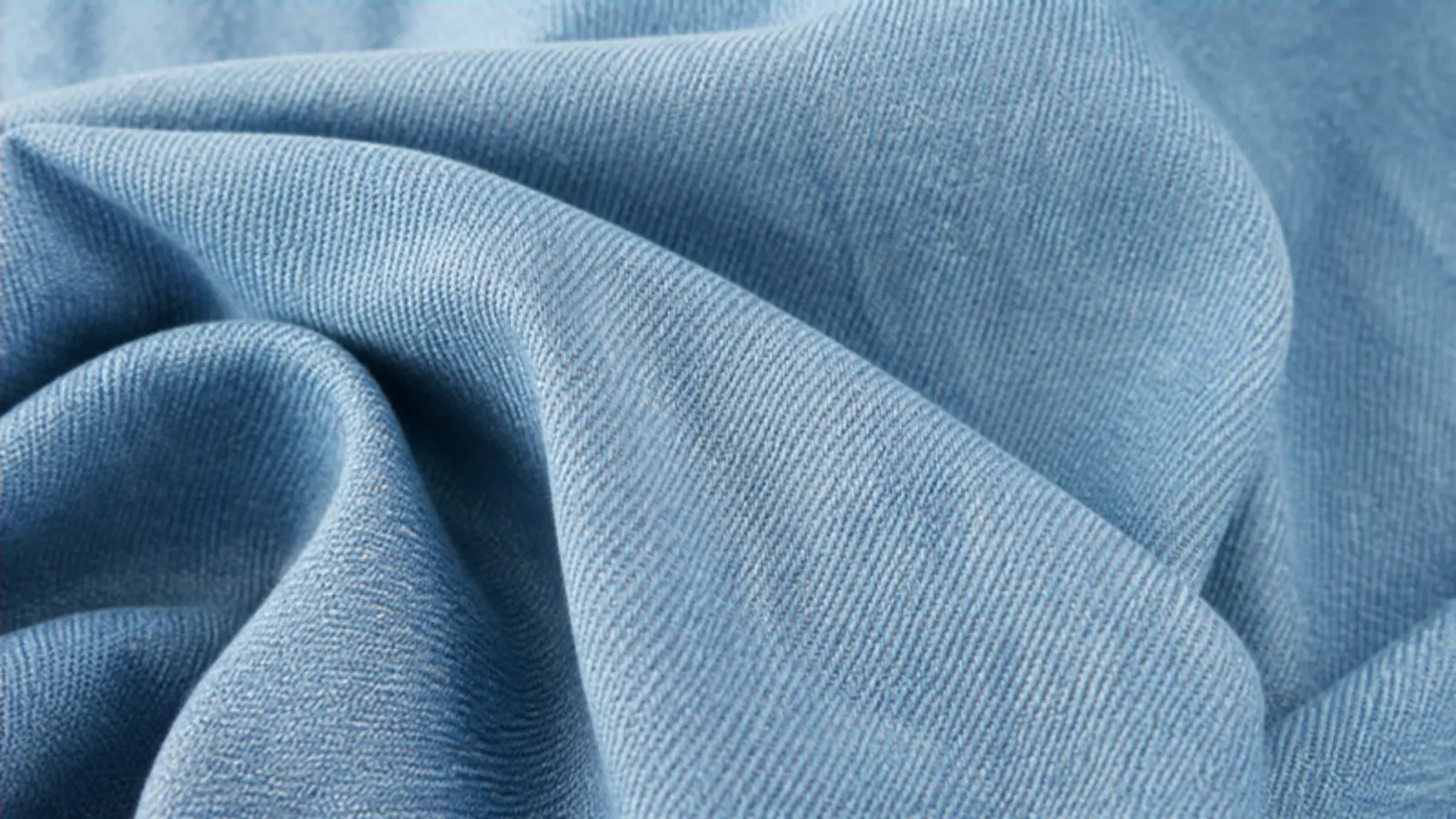
Lightweight Denim
Soft, light denim for summer pieces.
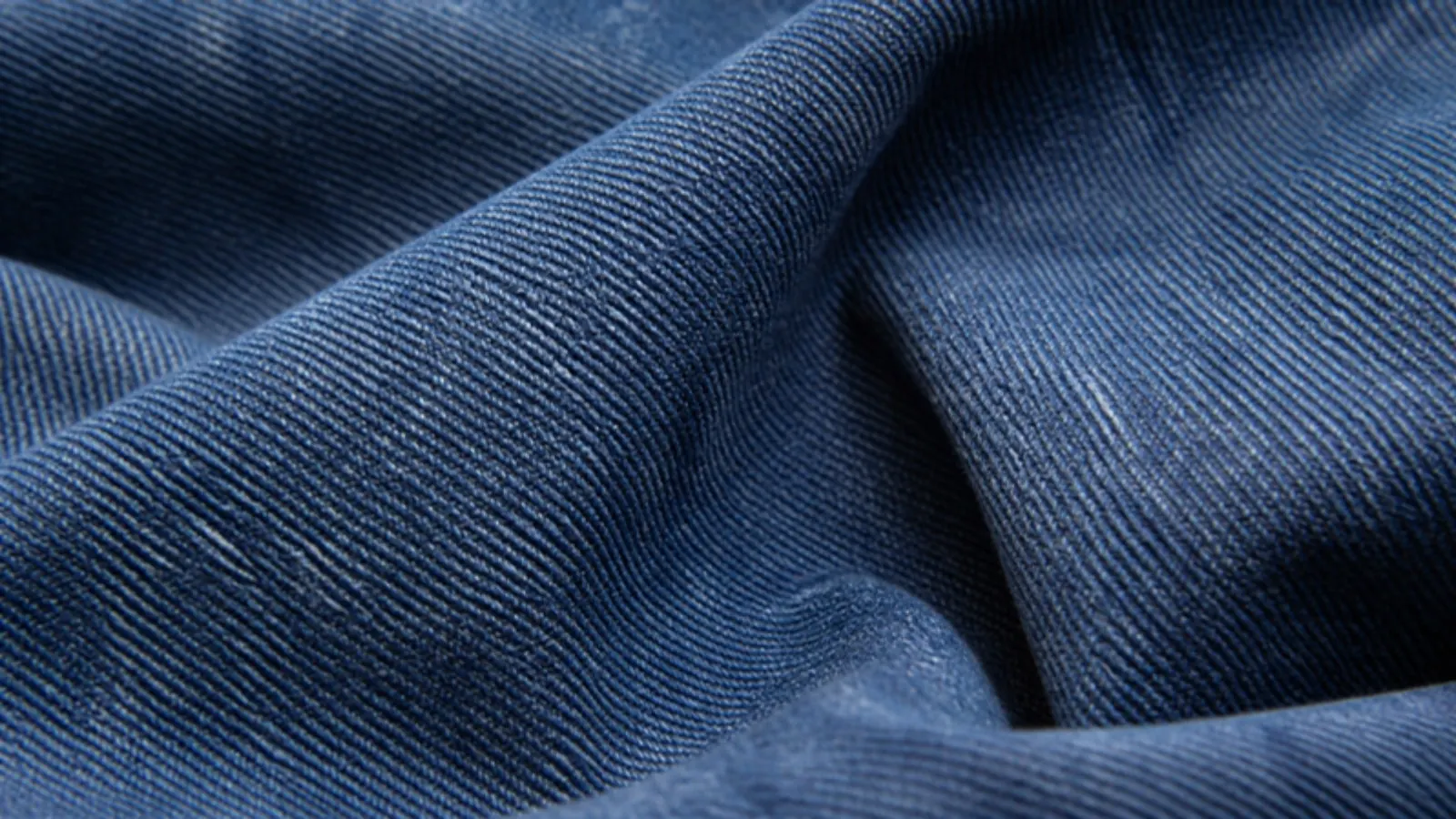
Rigid Denim 10 oz
100% cotton, no stretch. Breaks in with wear.
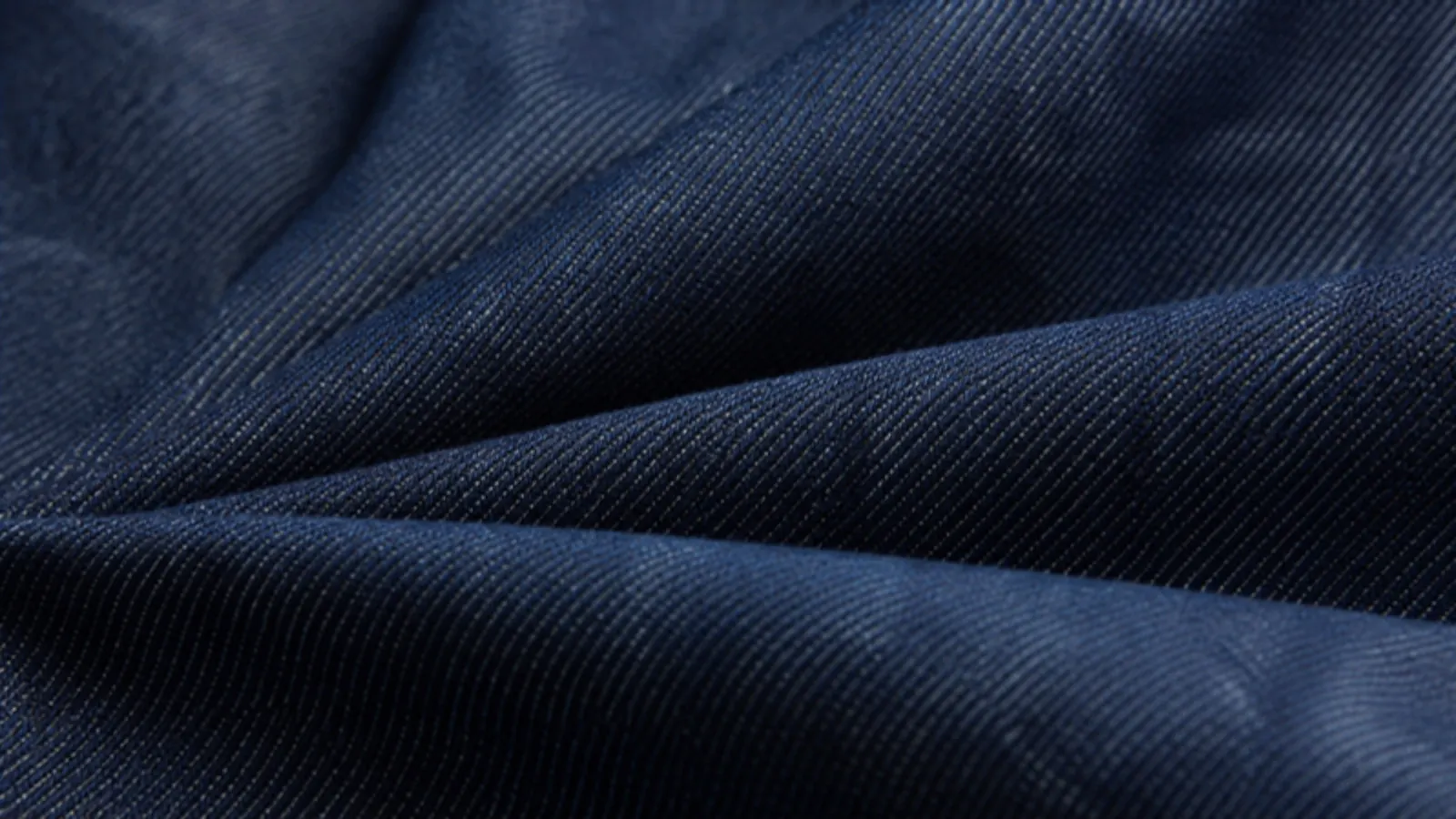
Rigid Denim 12–14 oz
The classic jean weight with a strong diagonal twill.
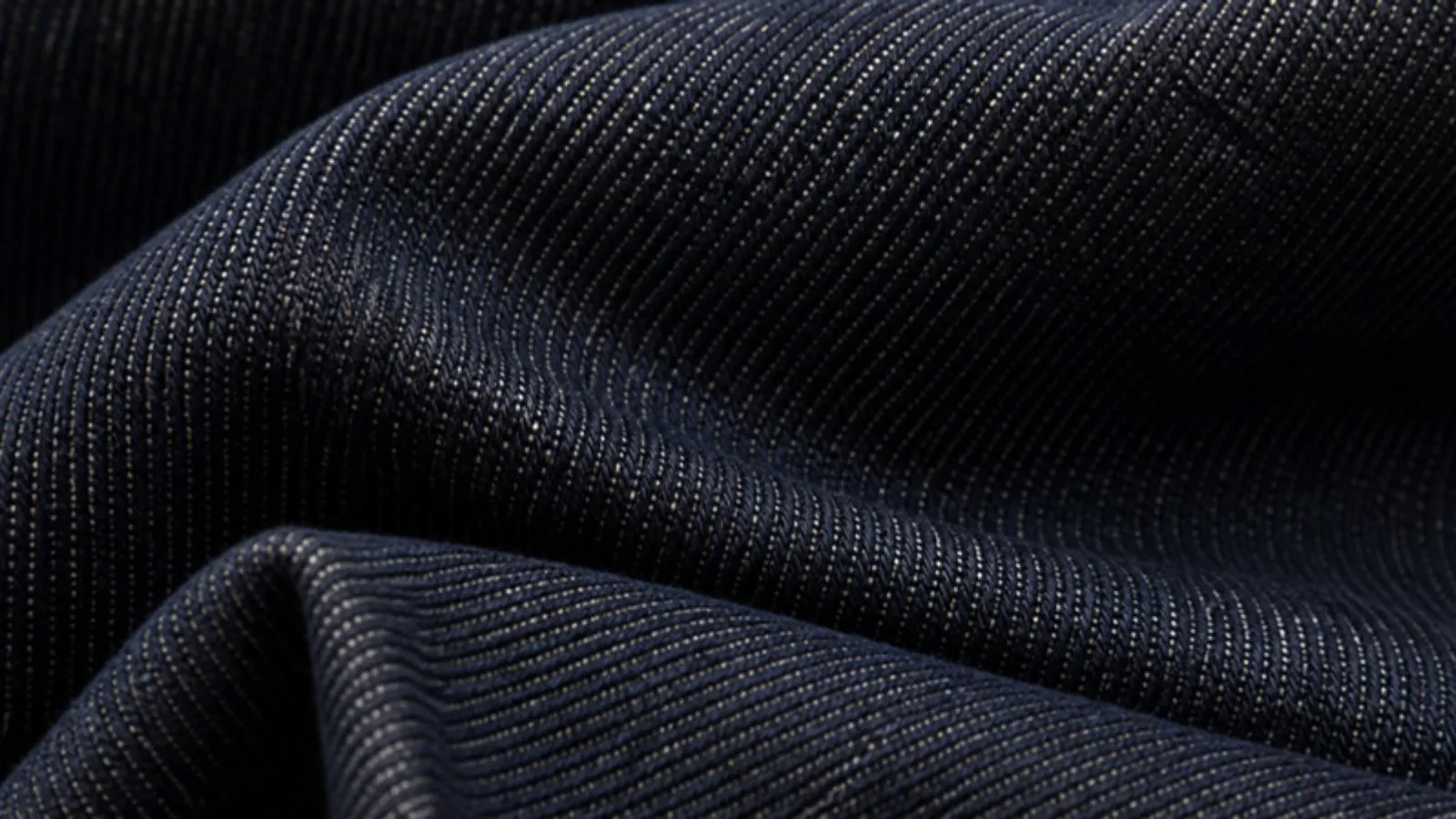
Heavyweight Denim
Thick, stiff denim that fades with character.
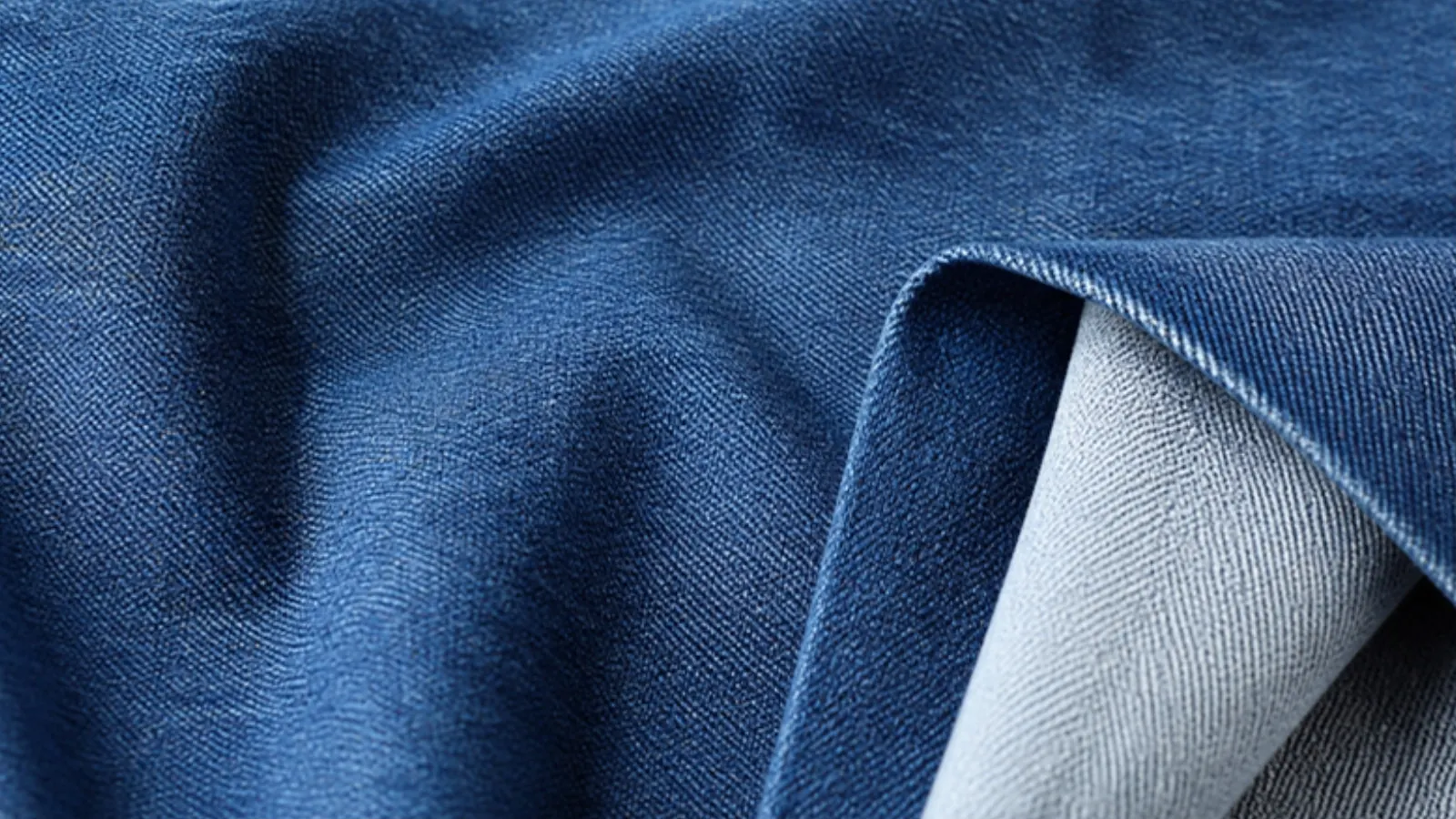
Stretch Denim
Cotton with 1–3% elastane for comfort and fit.
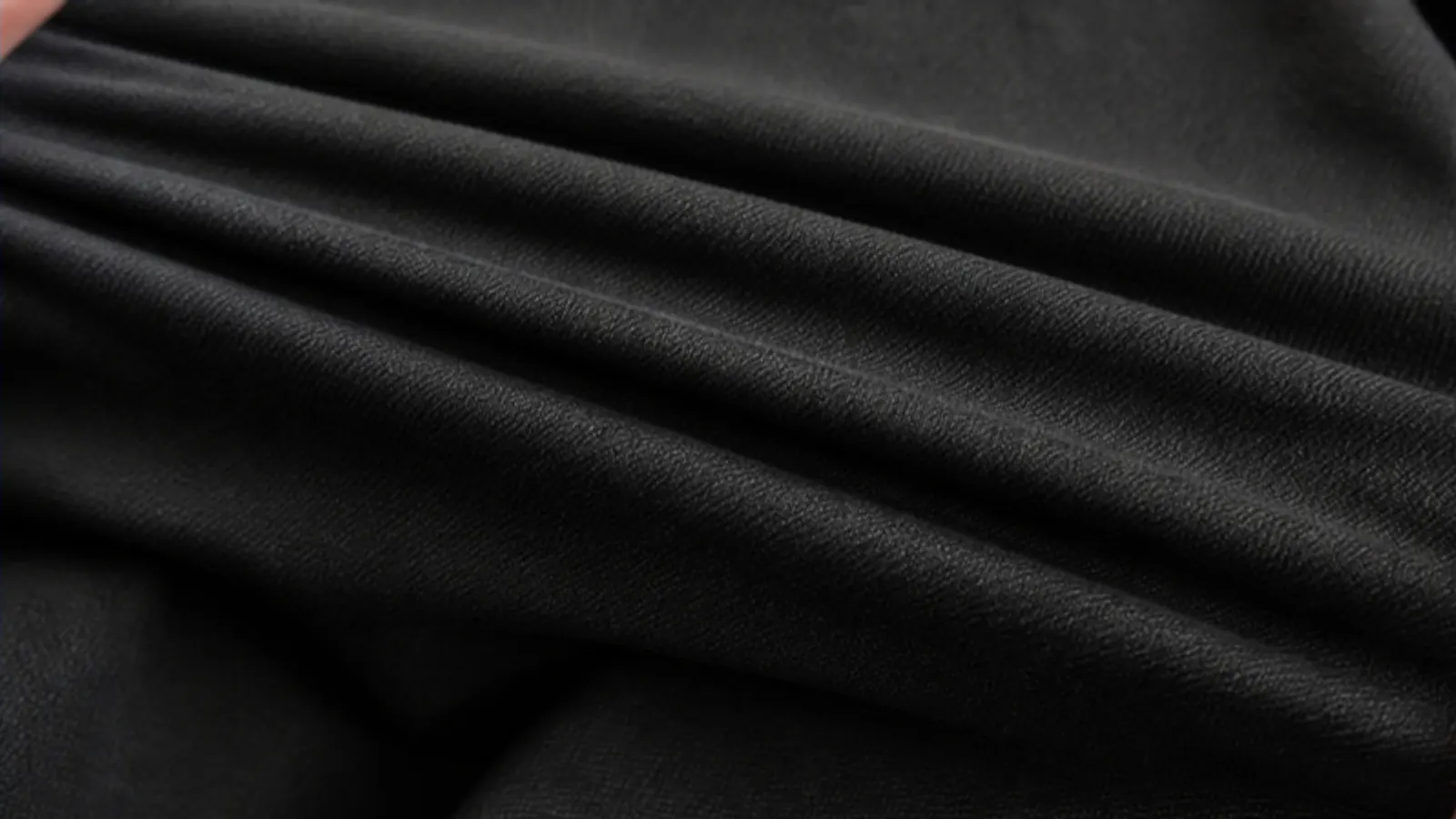
Super-Stretch Denim
High stretch and recovery that moves like a legging.
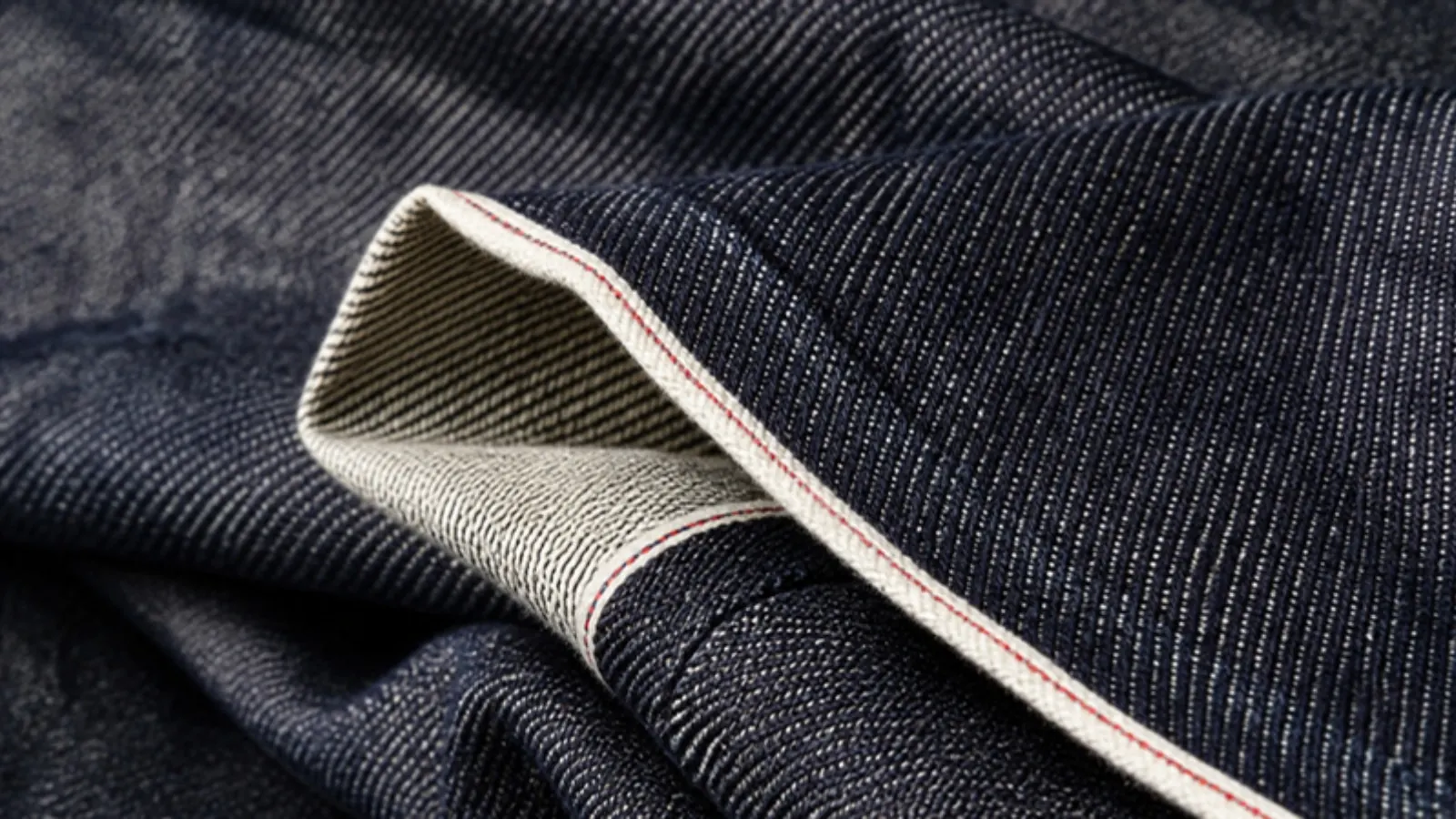
Selvedge Denim
Woven on shuttle looms with a clean, finished edge.
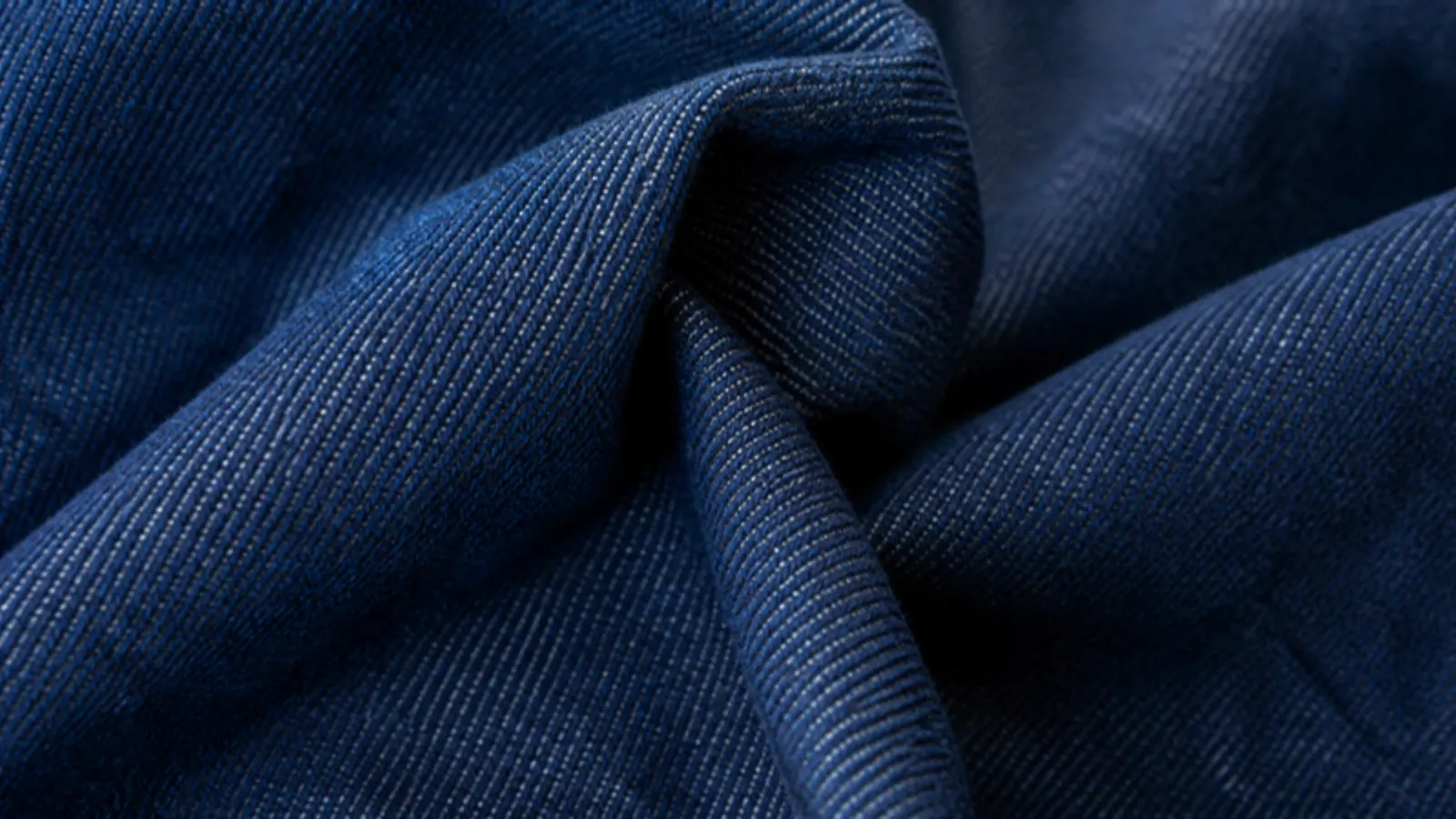
Raw Denim
Unwashed and unsanforised. Fades to the wearer’s own pattern.
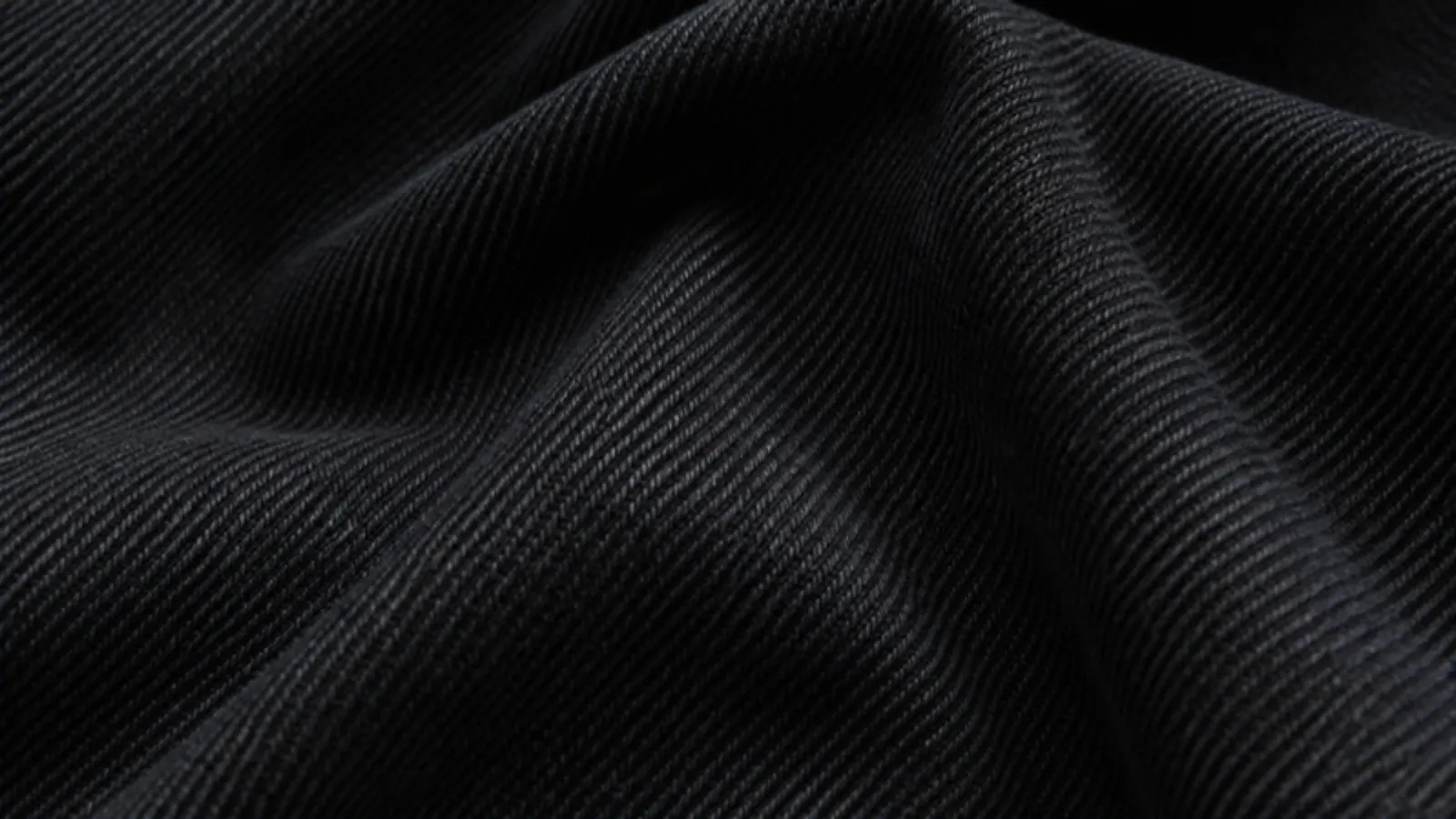
Black / Coloured Denim
Sulphur black or coloured warp for non-indigo looks.
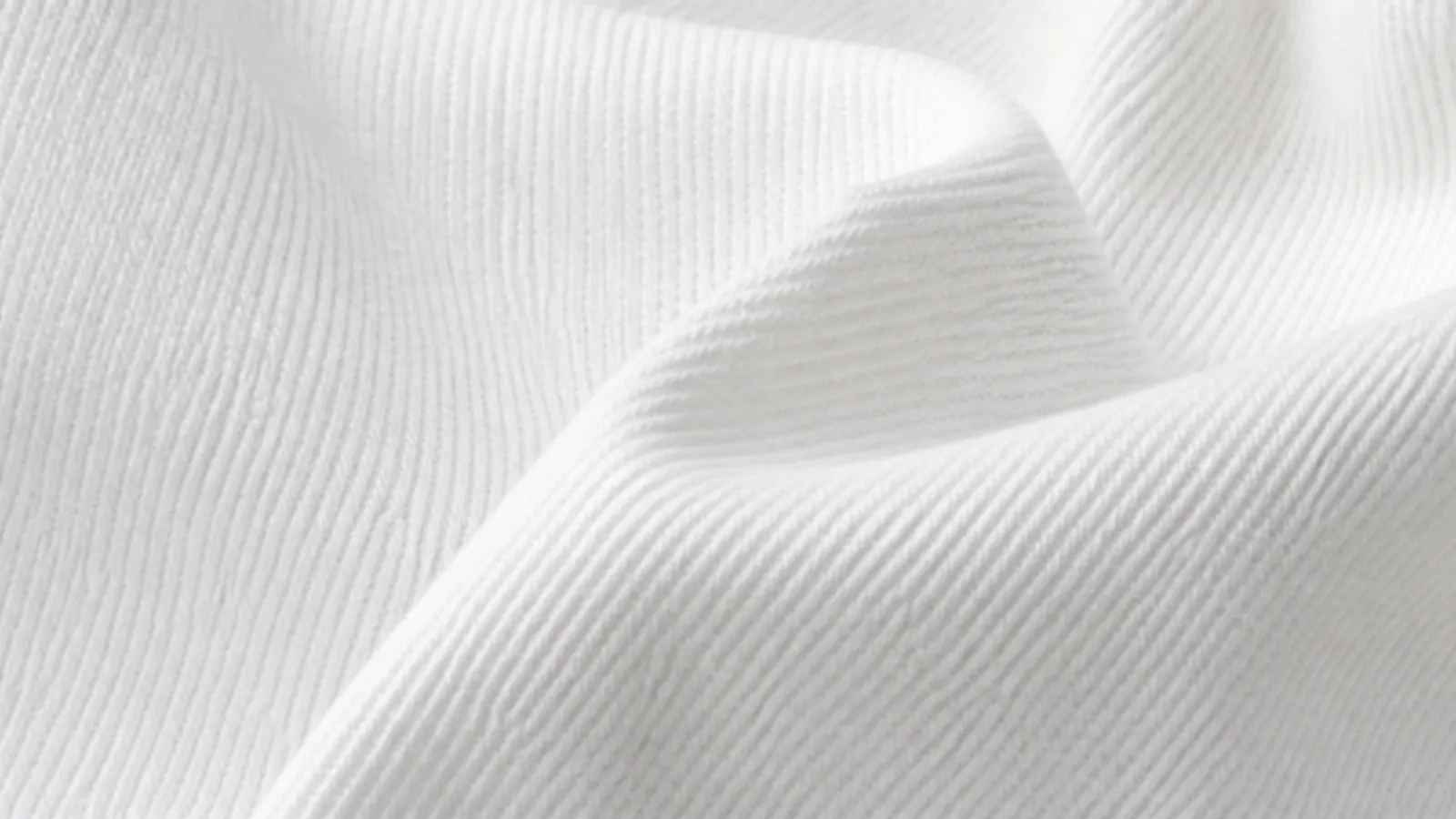
White Denim
Undyed or bleached white twill.
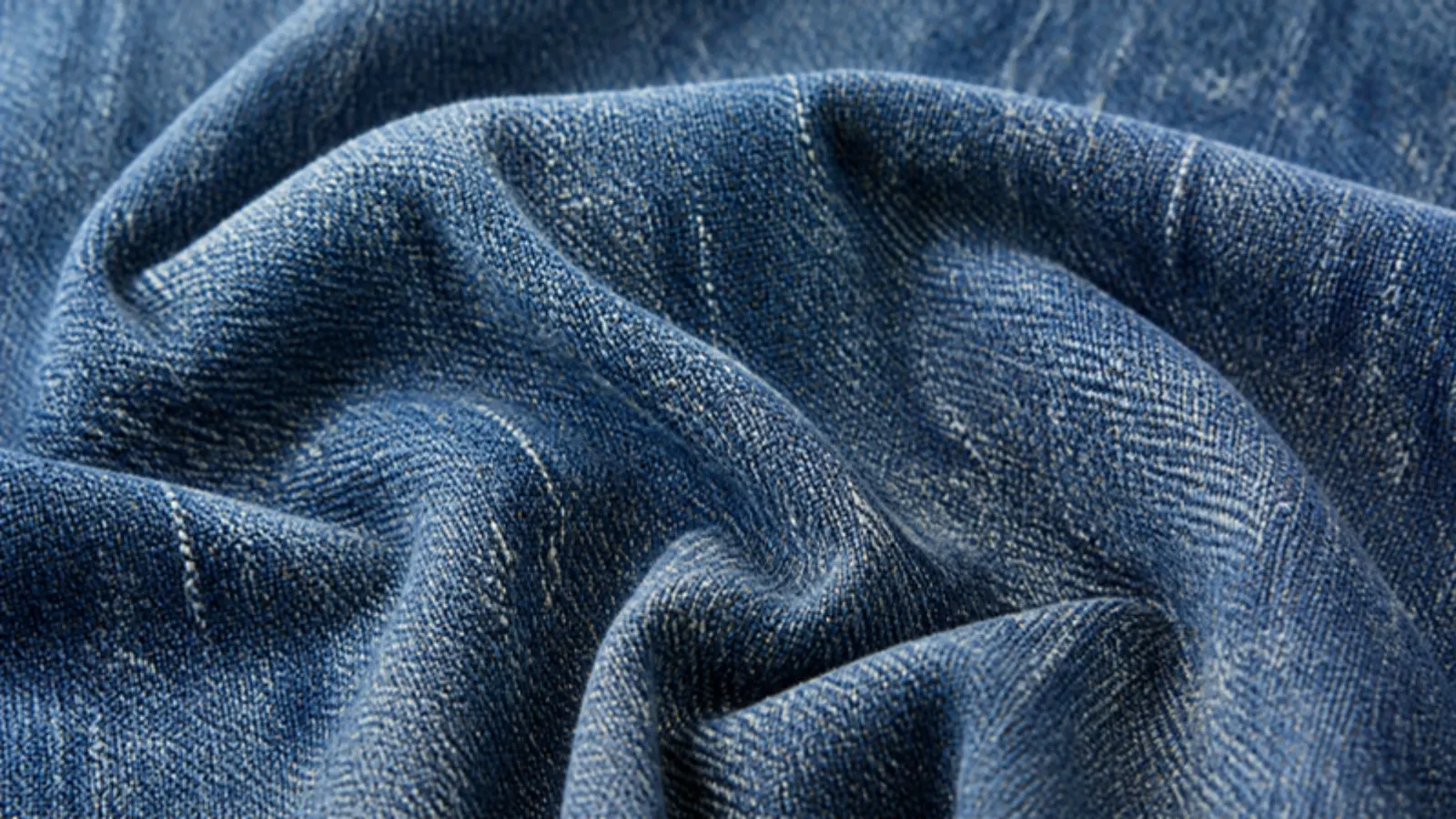
Slub Denim
Irregular yarns give a vintage, textured surface.
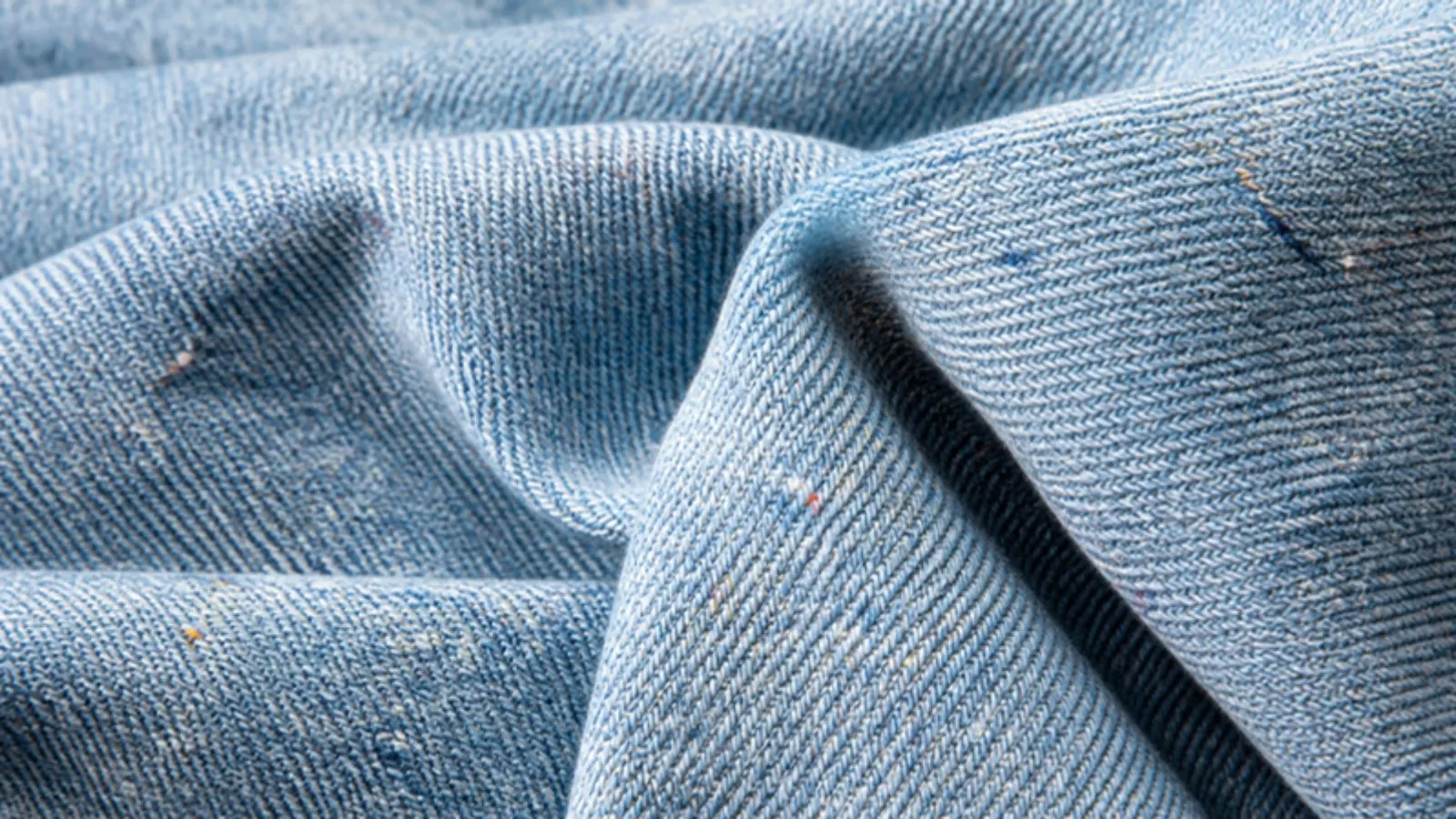
Organic / Recycled Denim
Organic cotton or recycled denim fibre for lower impact.
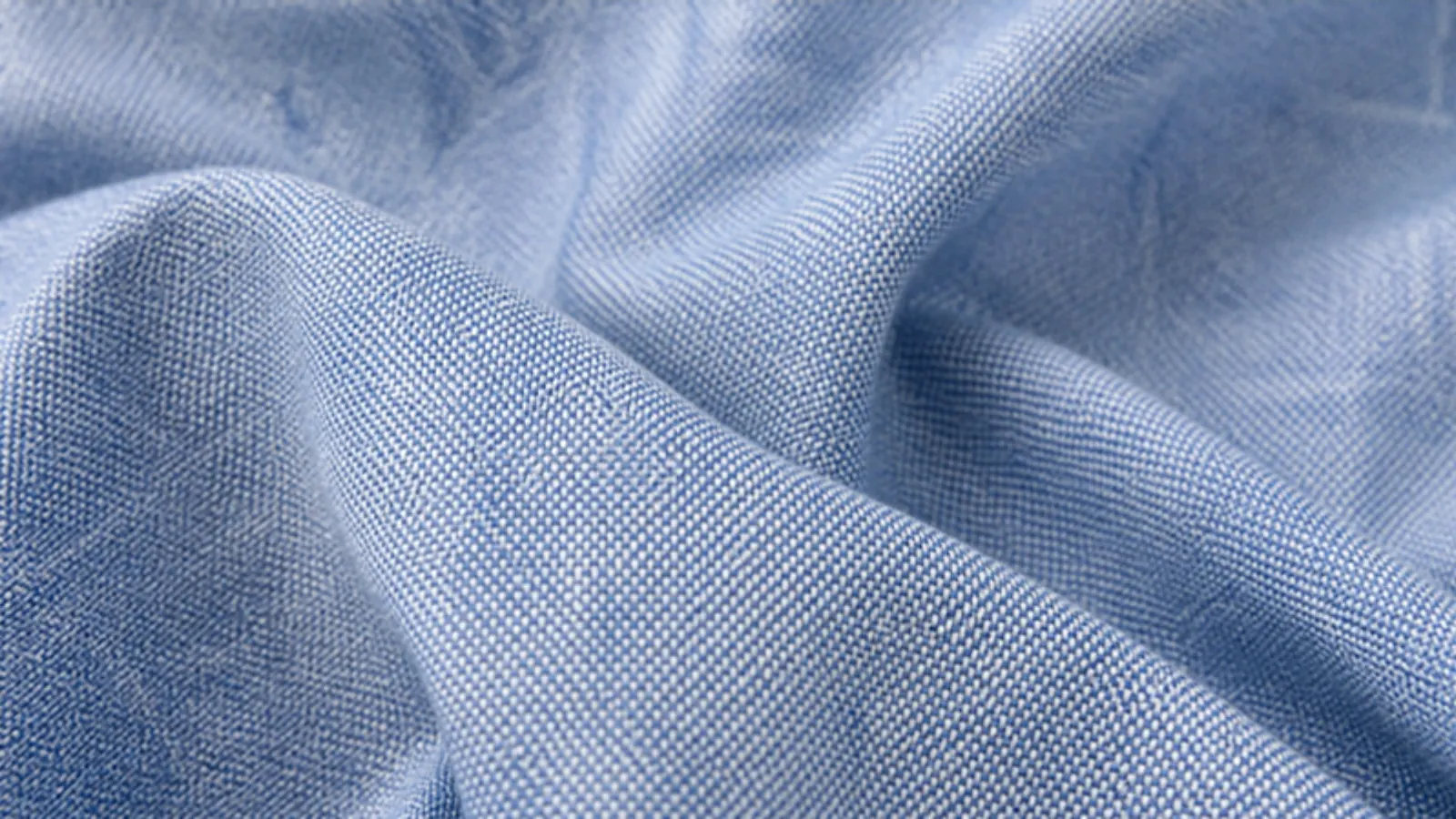
Chambray
Plain weave with indigo warp and white weft. Denim look, shirt weight.
Shirting Fabrics: Poplin, Oxford and Chambray
For shirts and blouses, these are the types of fabric for clothes brands ask us for most. Light woven cottons and blends for shirts, overshirts, blouses and dresses.
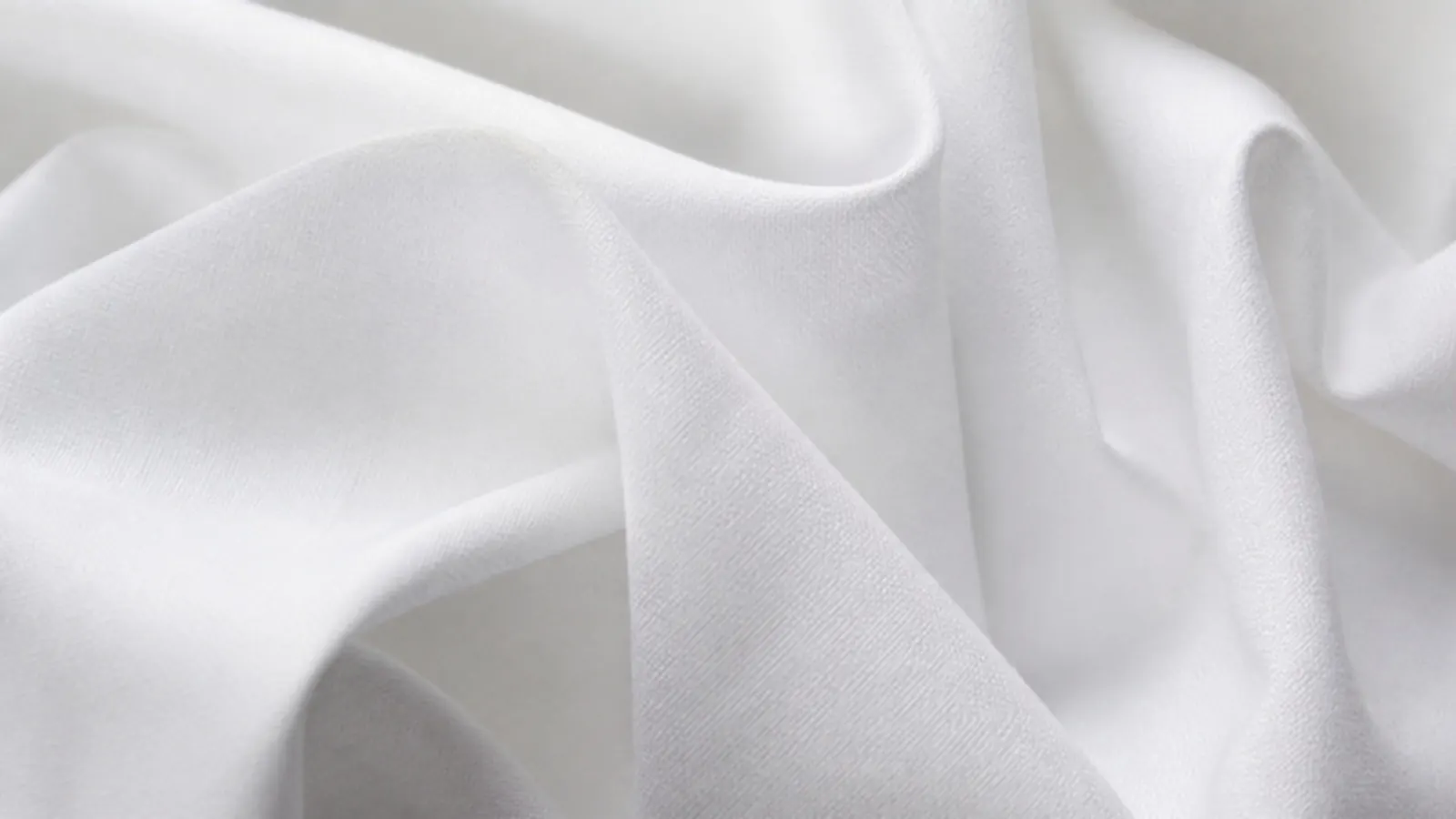
Poplin
Tight plain weave, smooth and crisp.
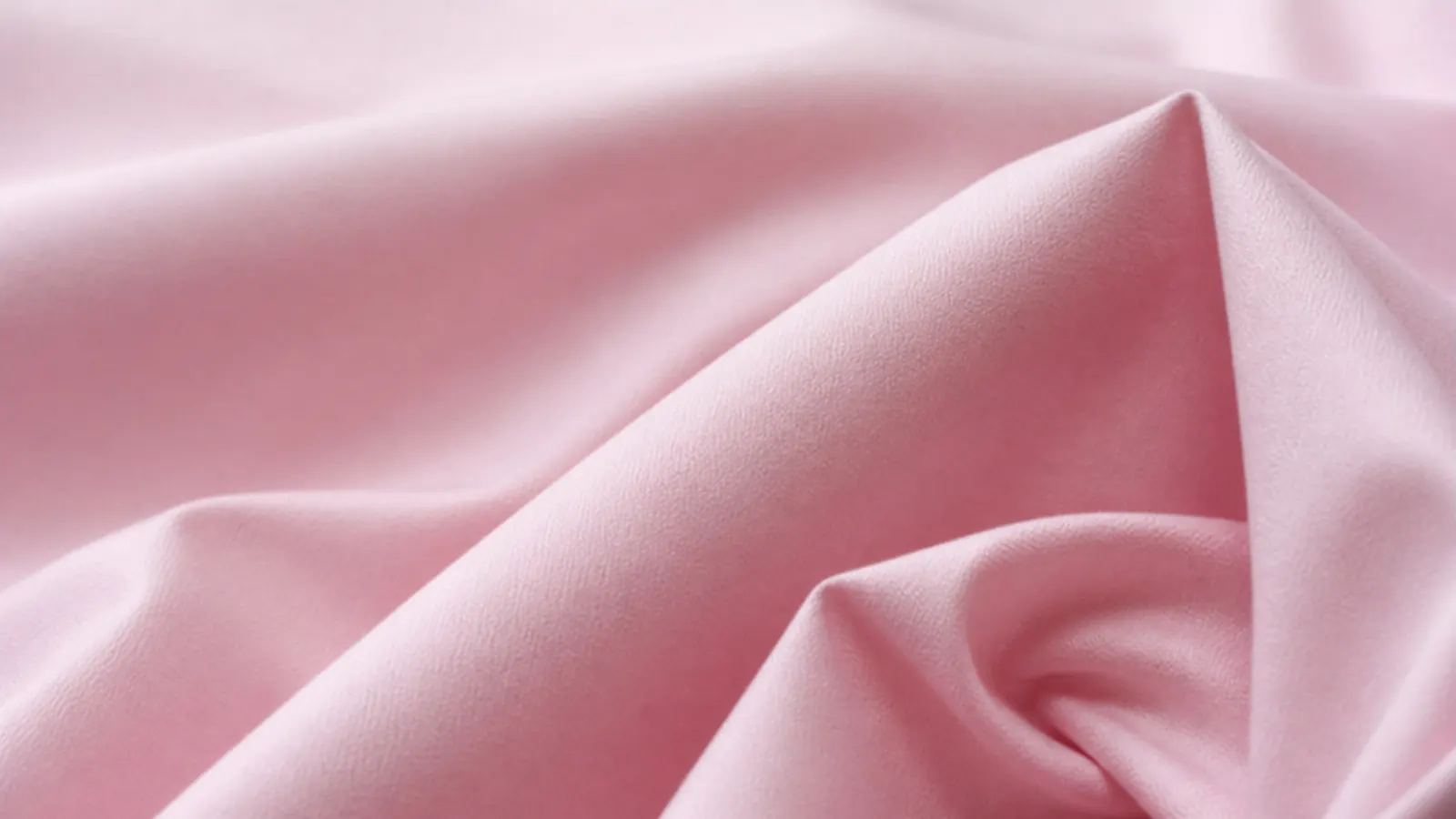
Stretch Poplin
Poplin with elastane for comfort.
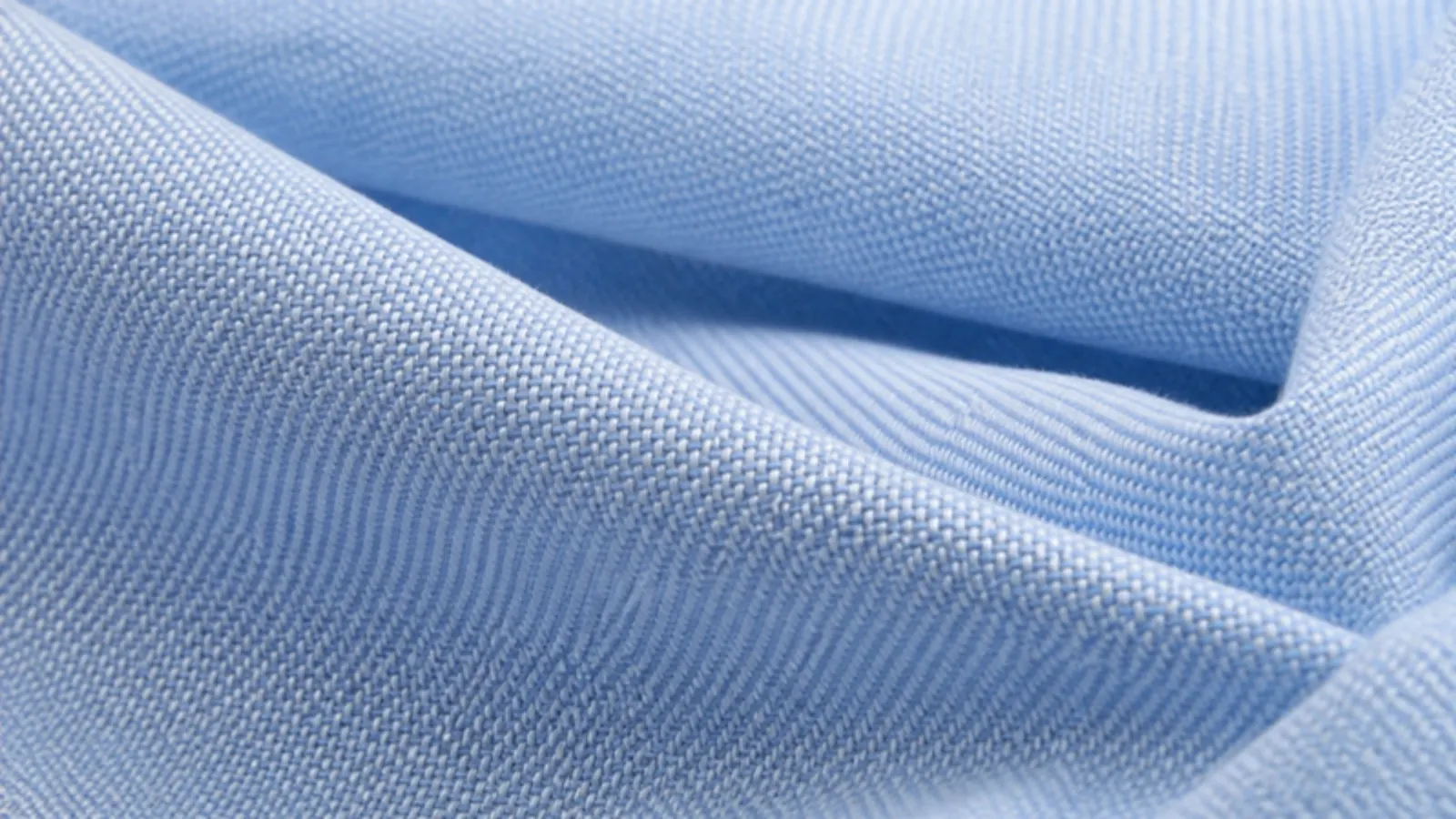
Oxford
Basket weave with a casual texture.
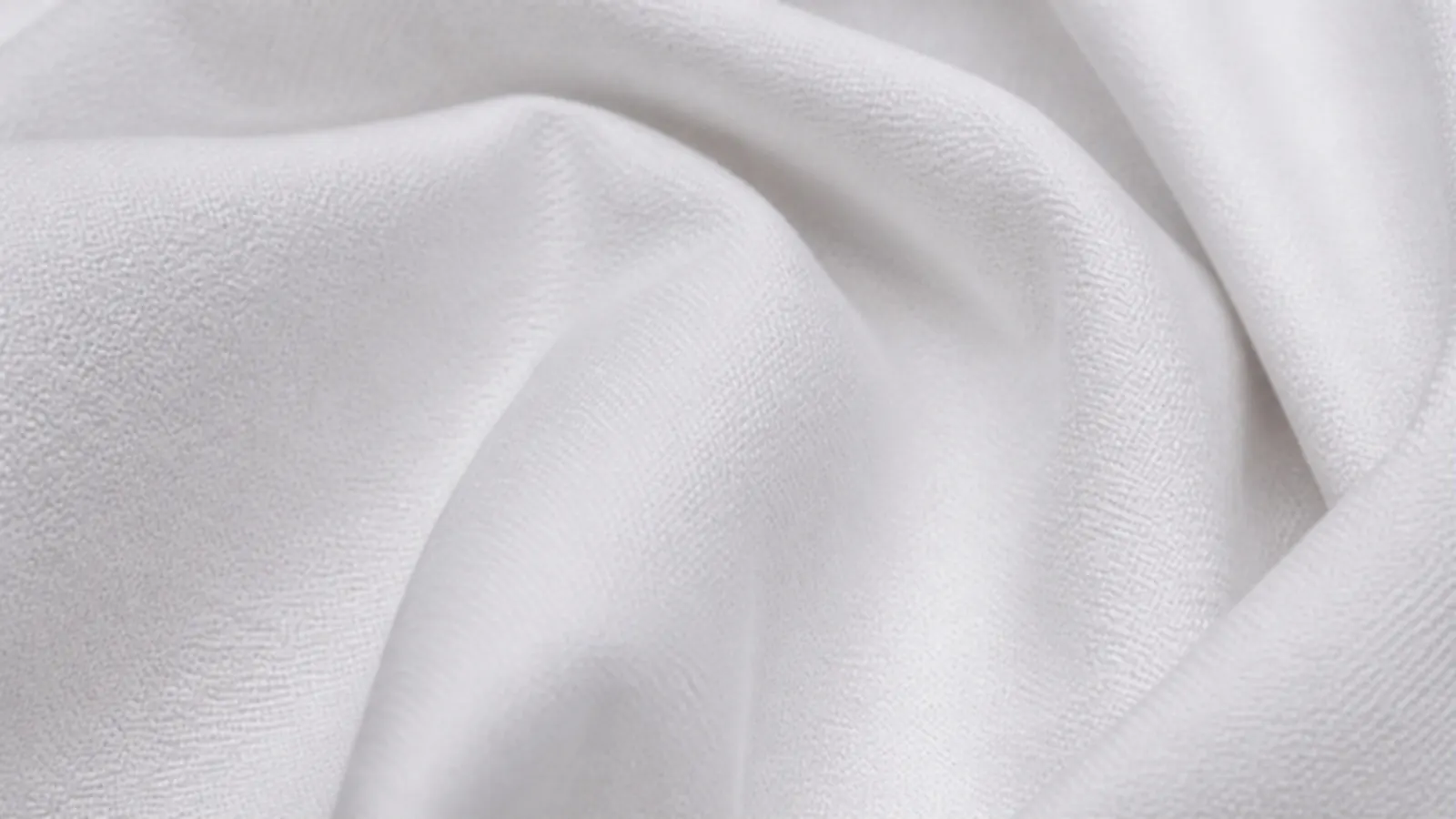
Pinpoint Oxford
Finer yarns for a smoother, dressier oxford.
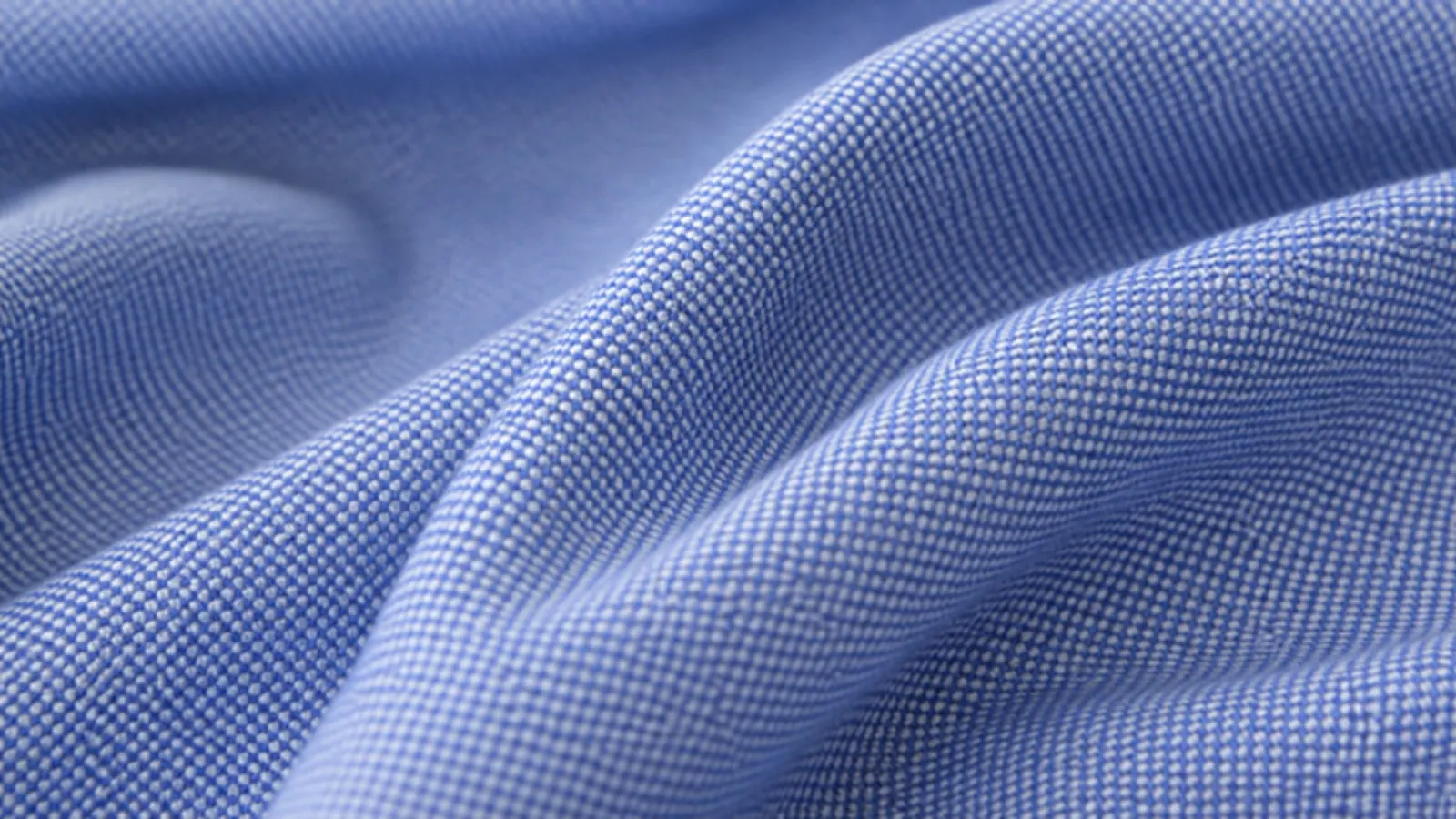
End-on-End
Alternating coloured and white yarns for a fine mottled look.
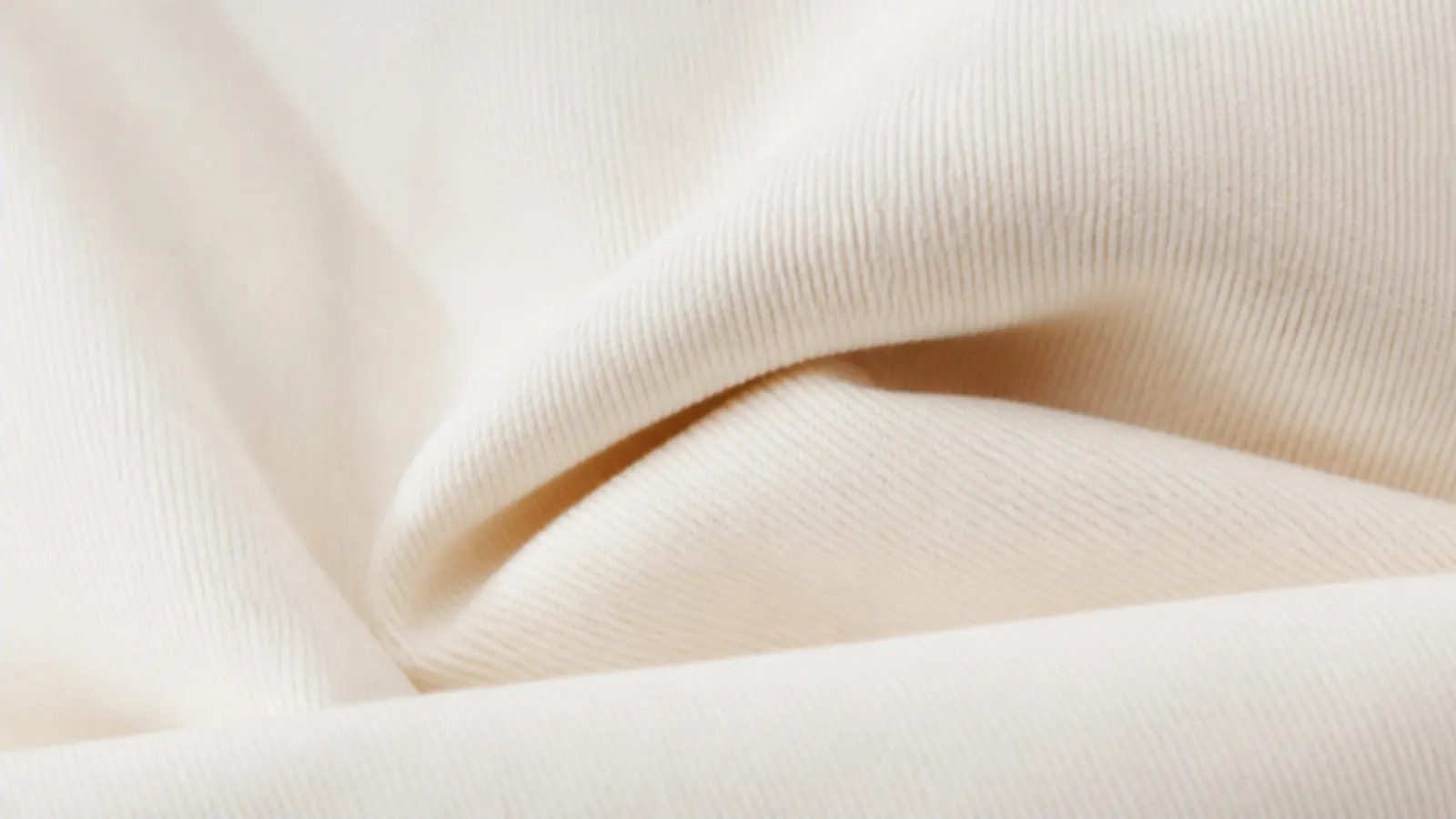
Twill Shirting
Fine diagonal weave, soft and slow to crease.
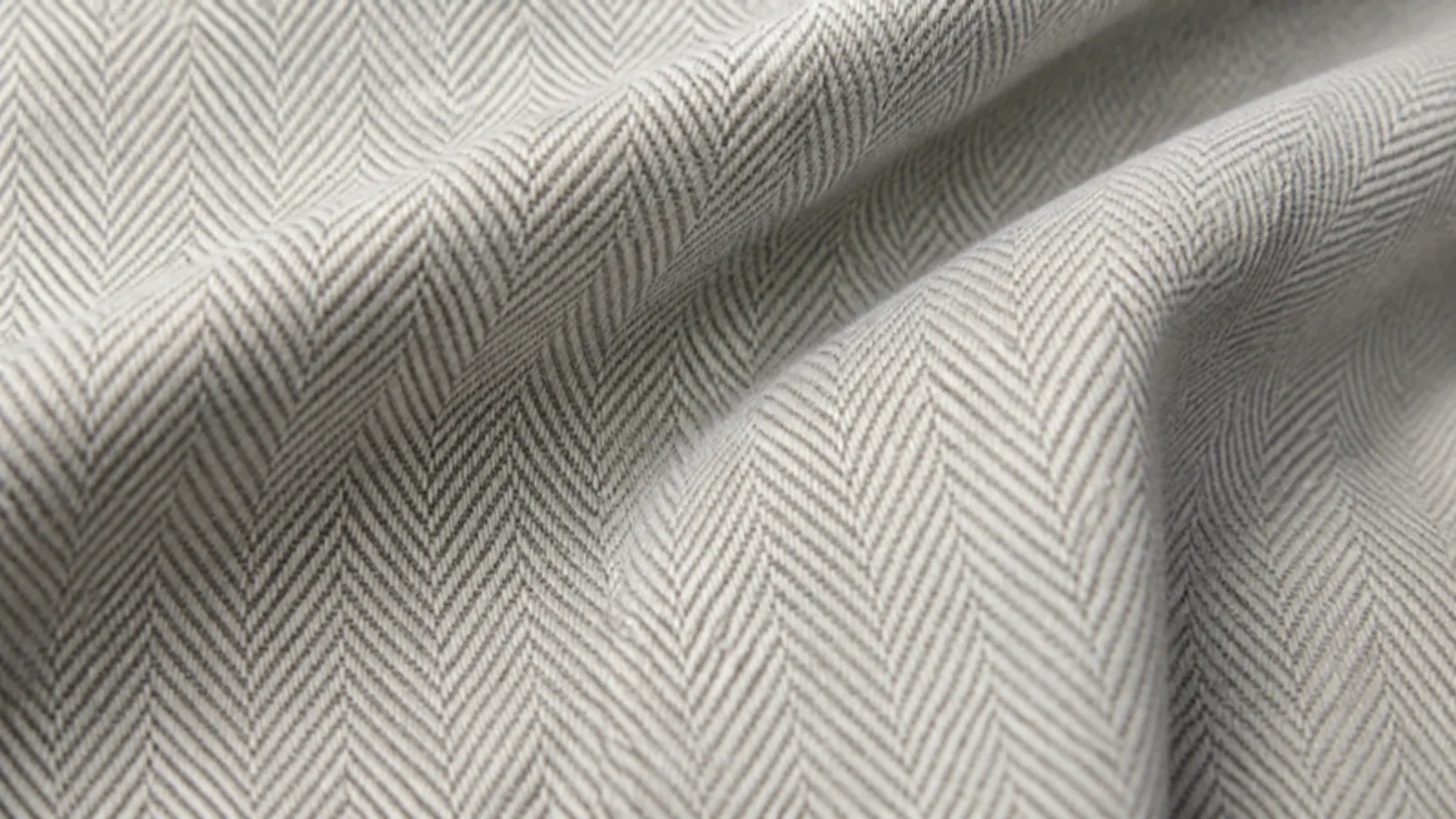
Herringbone
Twill that reverses direction to form a zigzag.
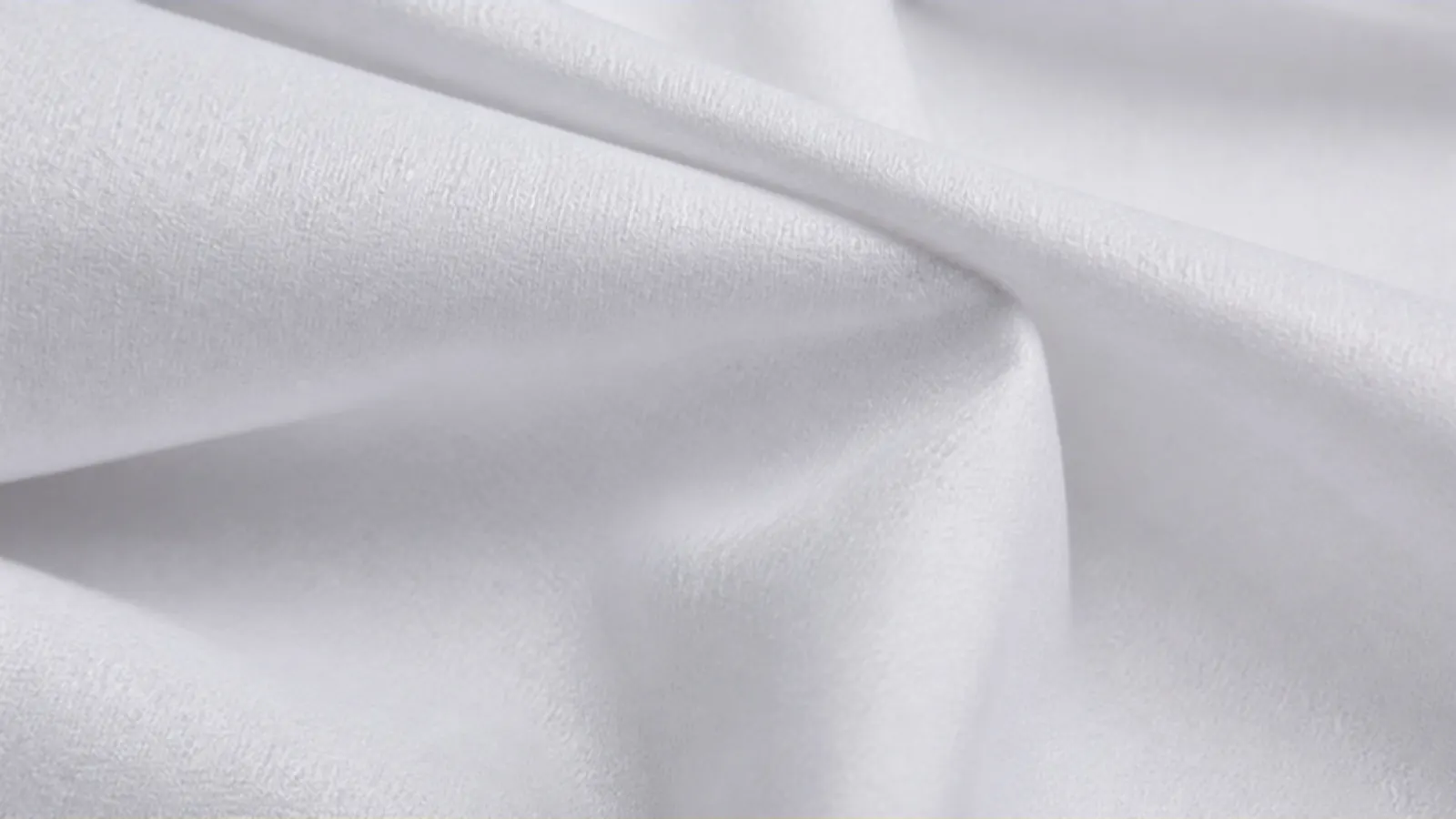
Dobby
Small geometric patterns woven in.
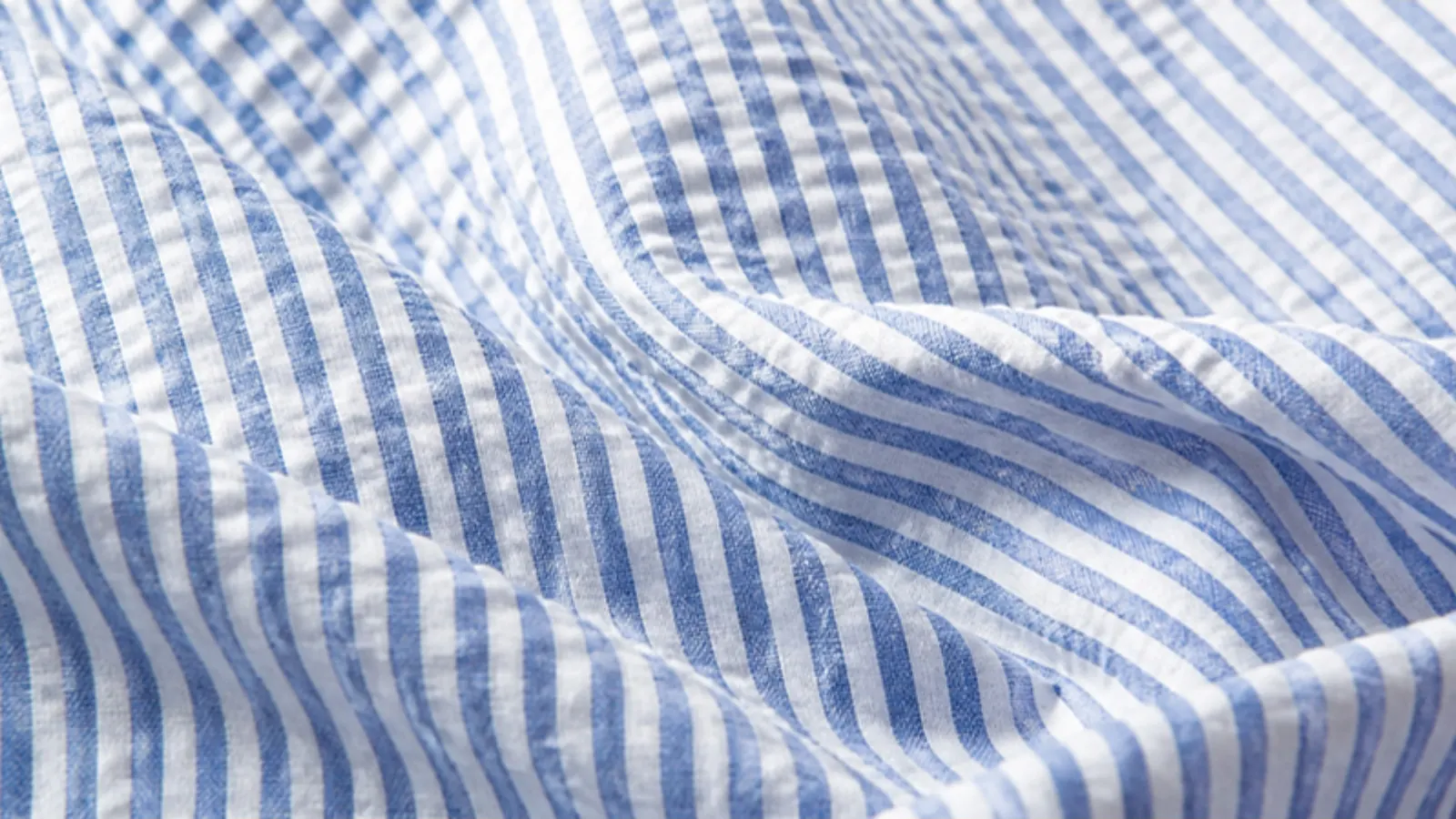
Seersucker
Puckered stripes that keep the fabric off the skin.
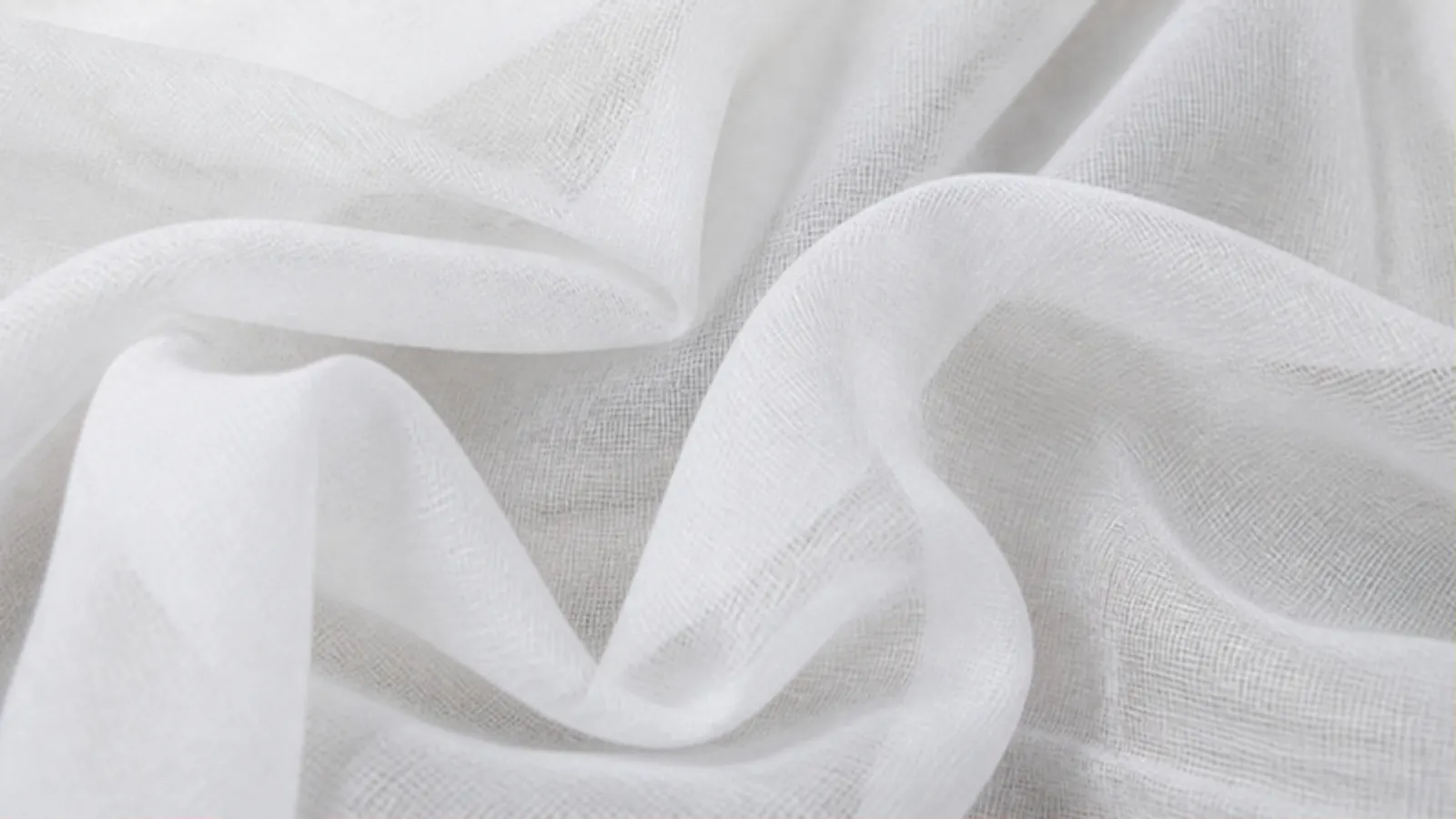
Voile
Sheer, airy plain weave.
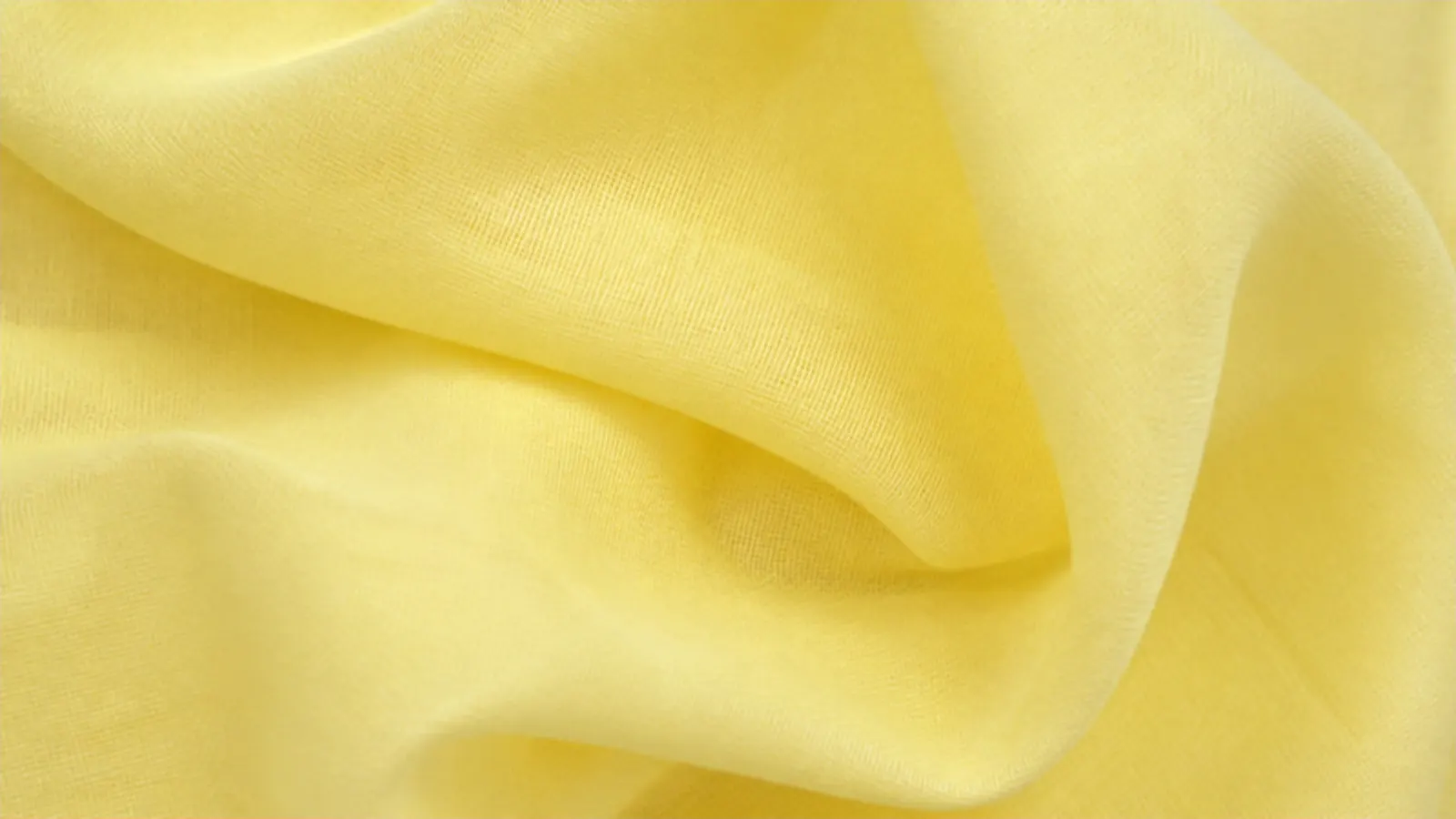
Batiste / Lawn
Fine, soft and lightweight with a smooth finish.
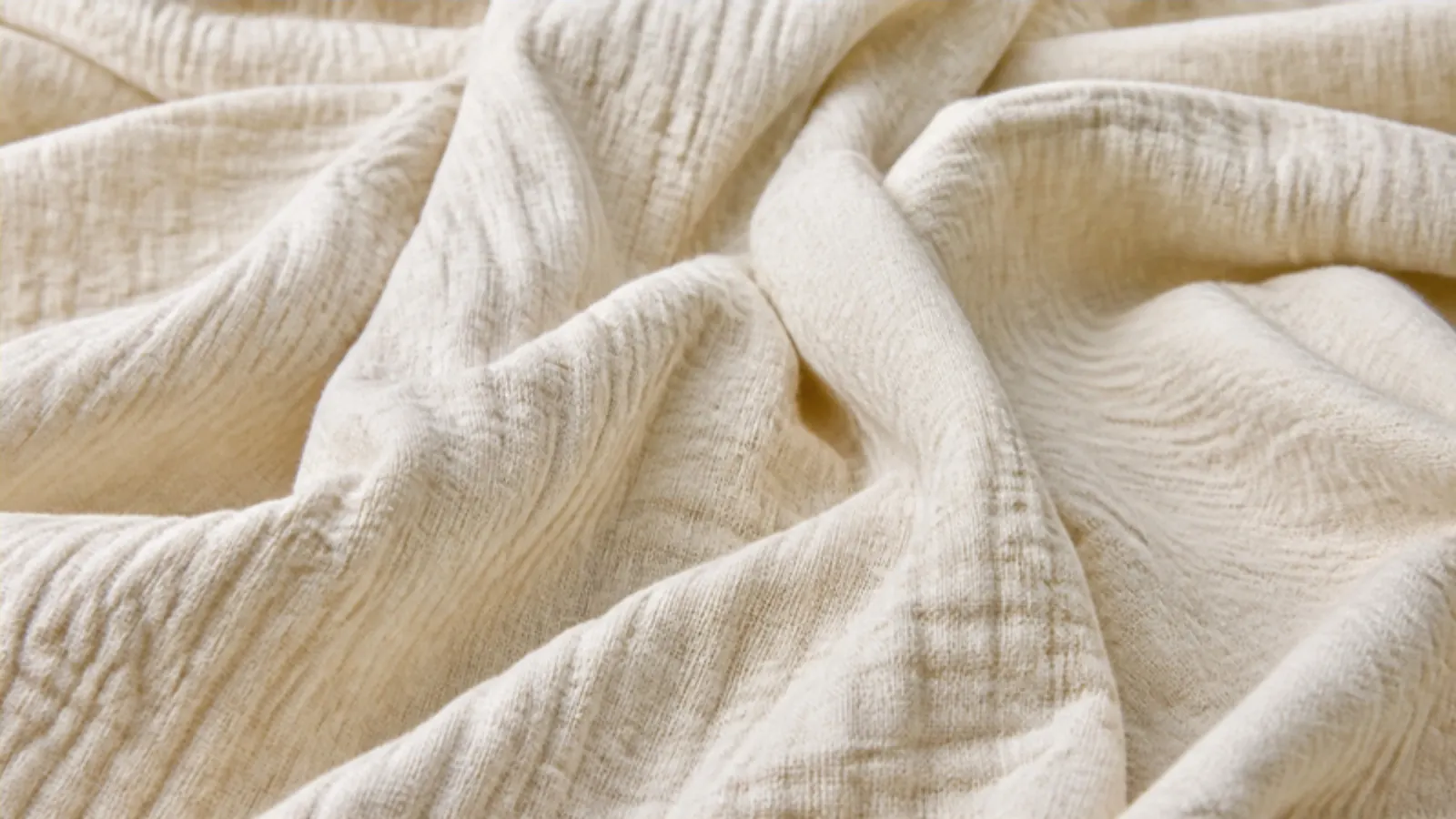
Double Gauze / Muslin
Two layers of gauze joined together, airy with a crinkled look.
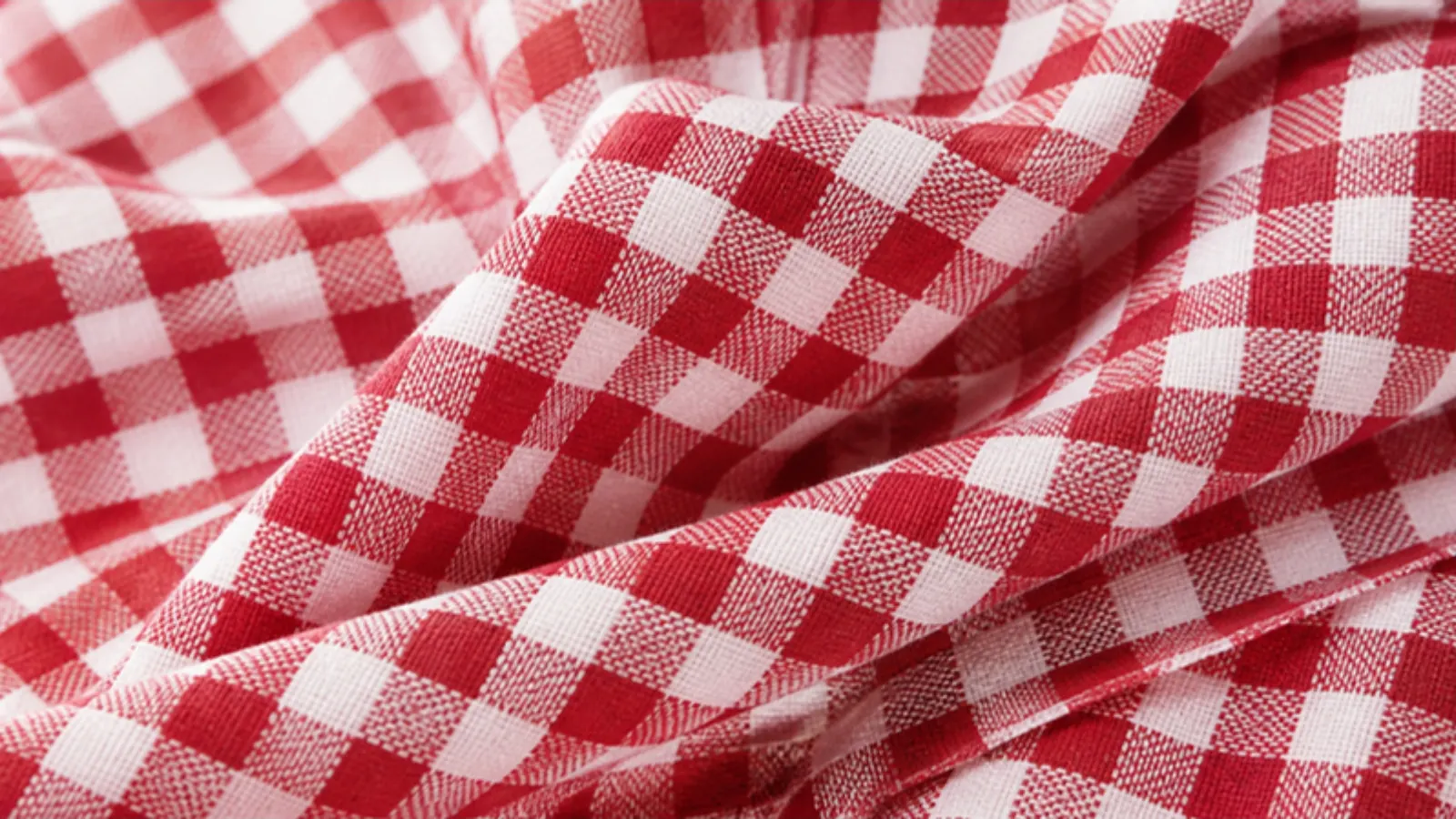
Gingham / Yarn-Dyed Check
Checks woven from dyed yarns, not printed.
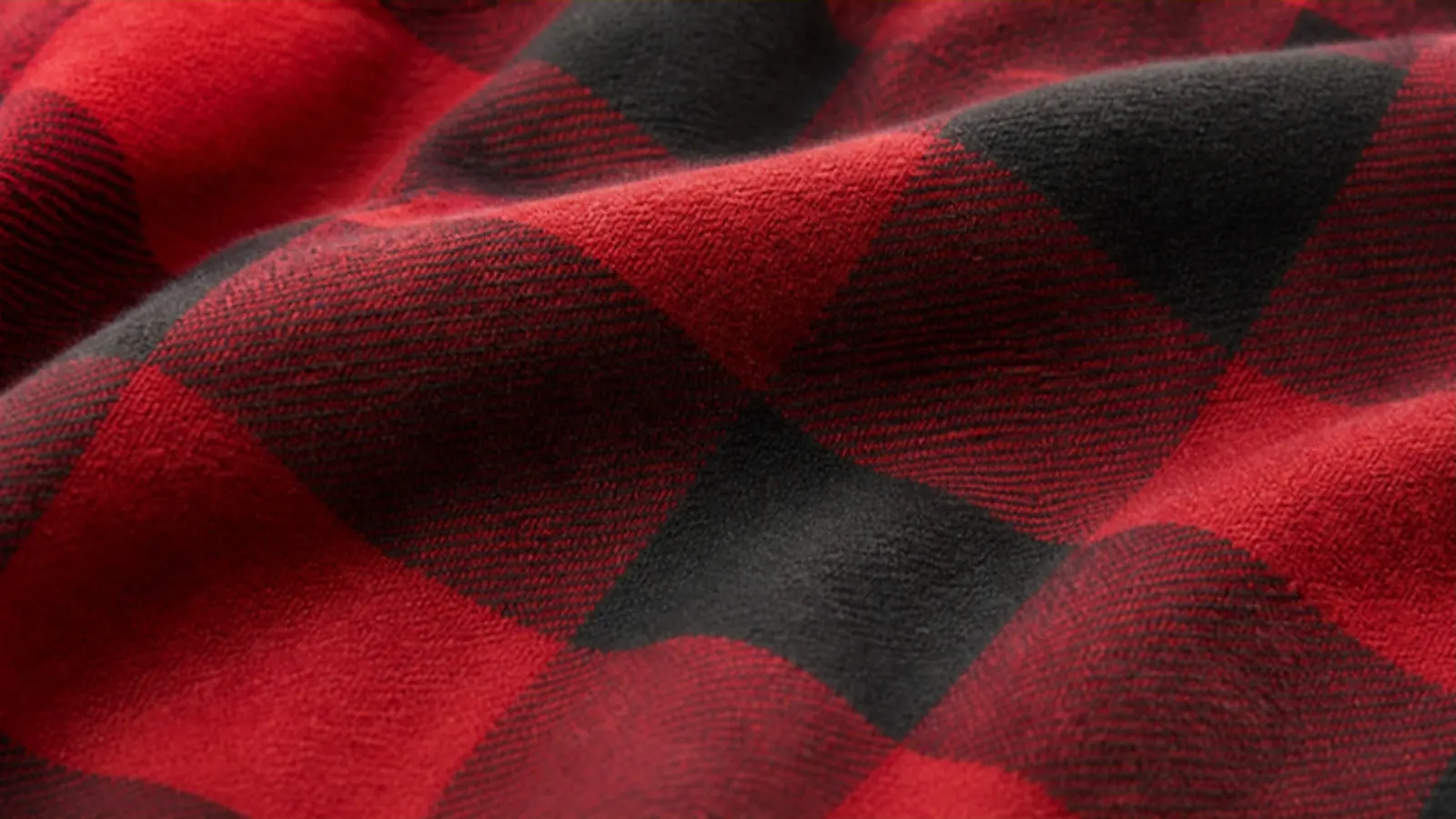
Flannel
Brushed on one or both sides for warmth and softness.
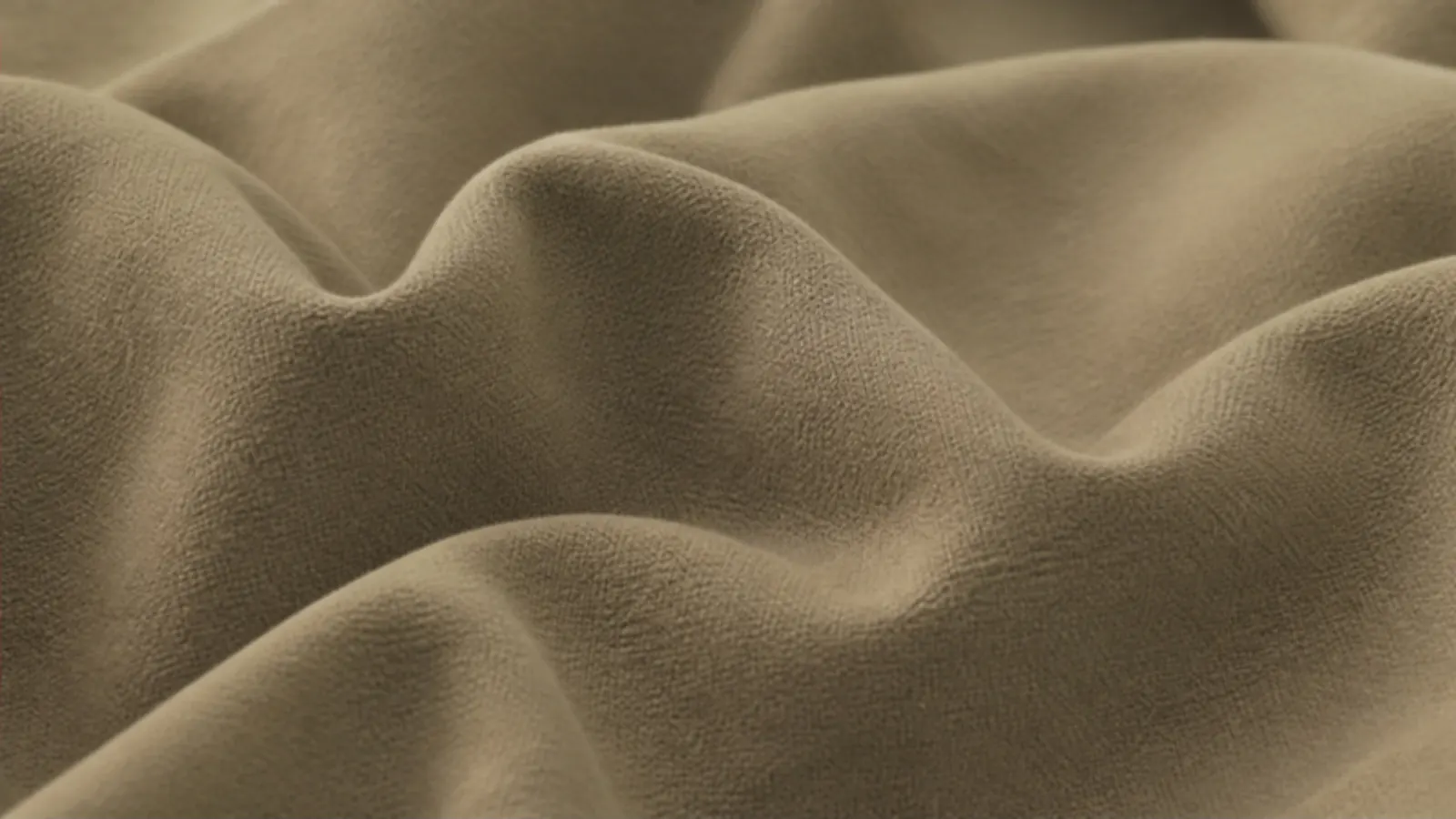
Brushed Cotton
Peached surface with a soft, matte touch.
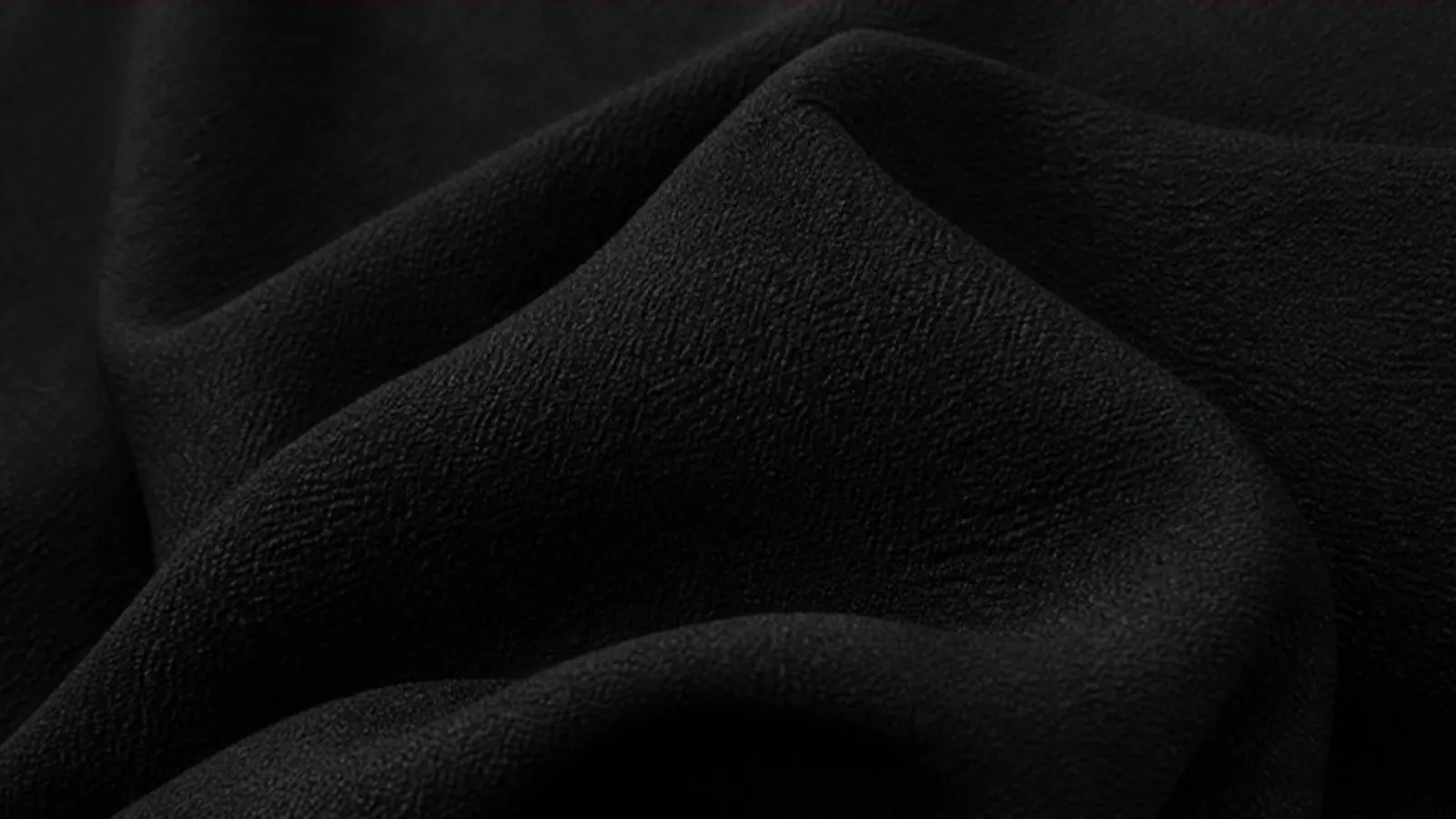
Crepe
Pebbly, crinkled surface with fluid drape.
Fabrics for Trousers and Jackets
Heavier wovens are the types of fabric for clothes that hold their shape through daily wear. Heavier woven fabrics for trousers, cargo pants, workwear, jackets and coats.
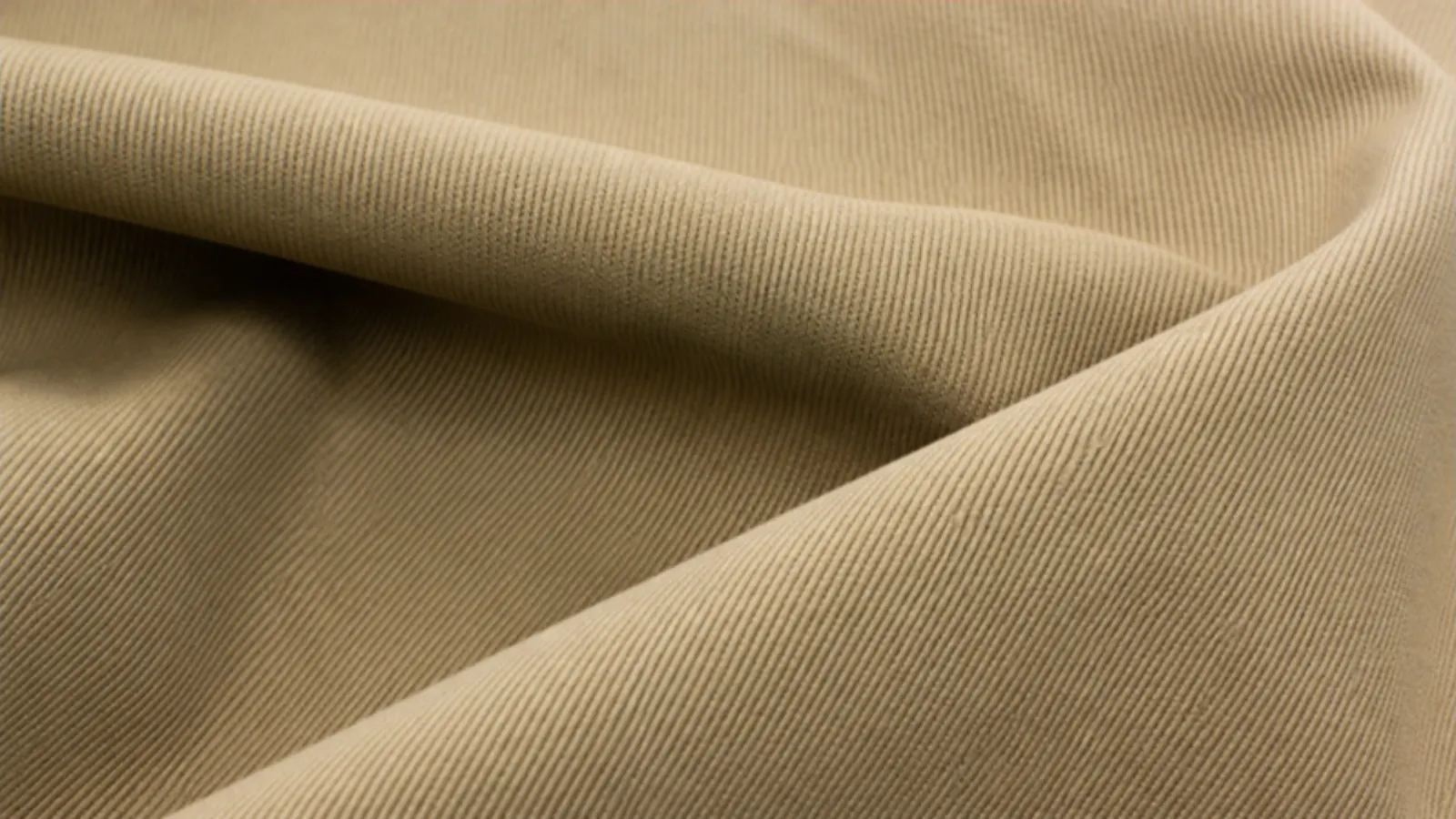
Twill / Chino
Medium-weight cotton twill with a clean finish.
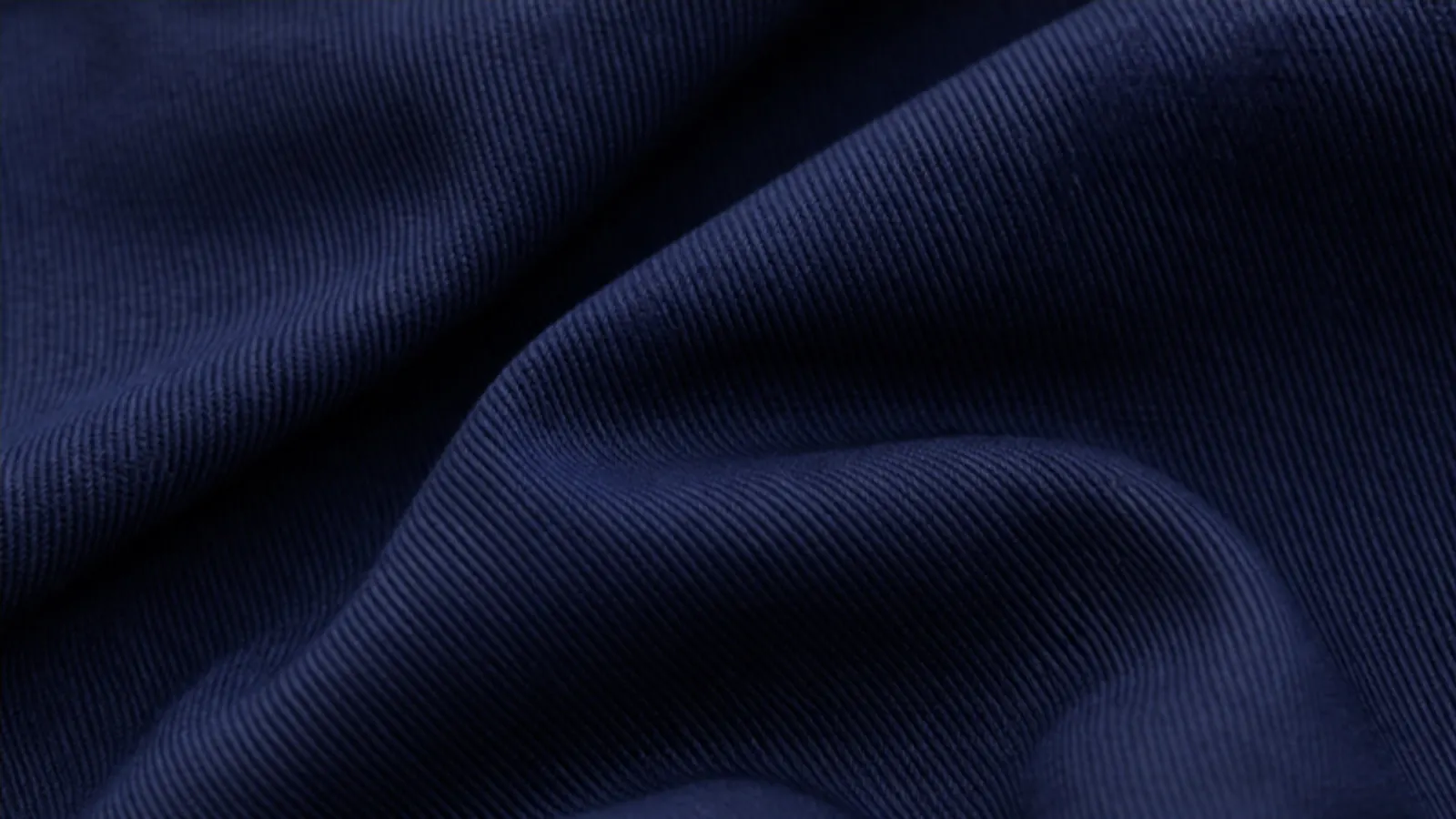
Stretch Twill
Twill with elastane for comfort and fit.
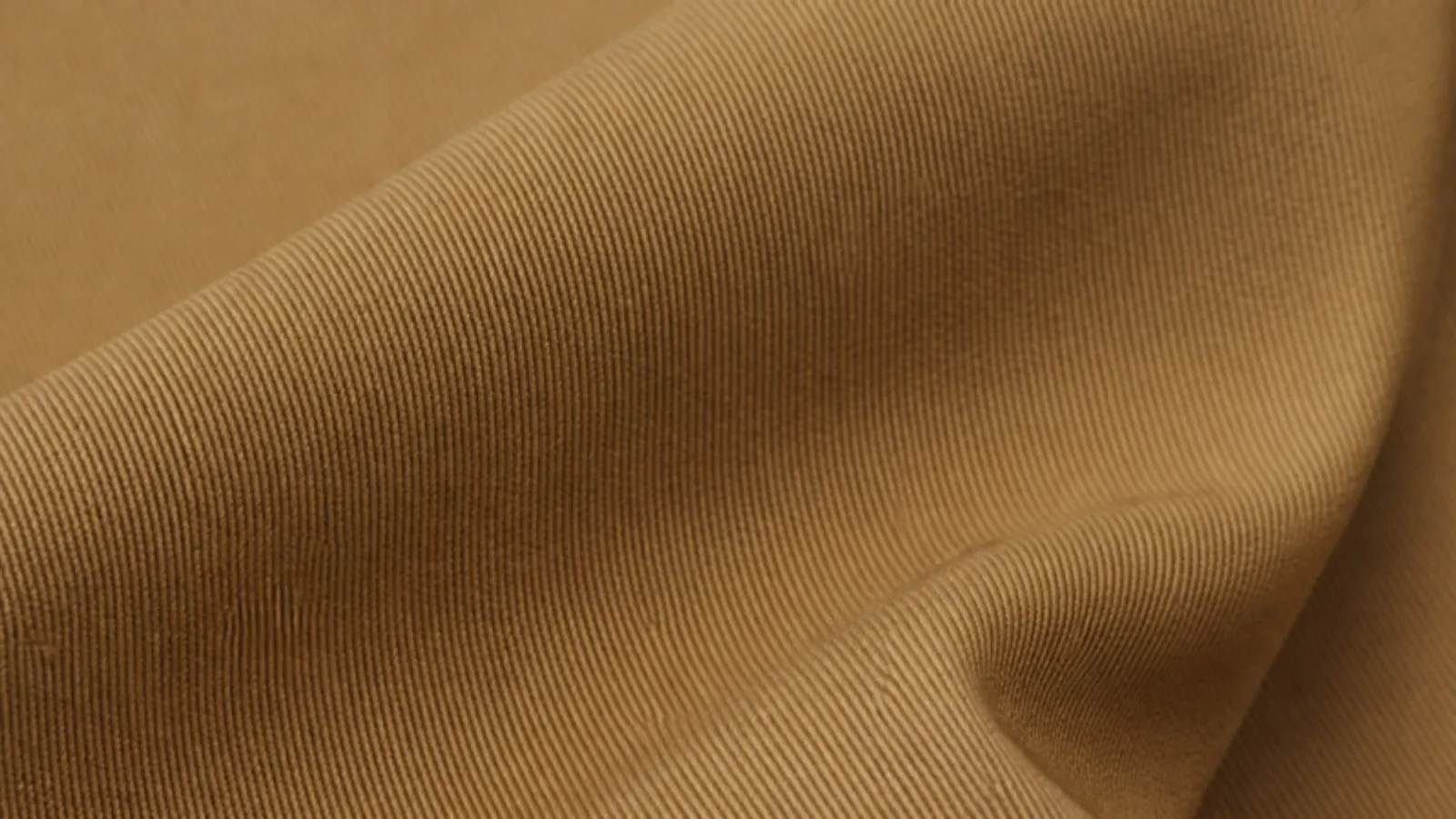
Gabardine
Tight, steep twill. Smooth, durable and naturally water-resistant.
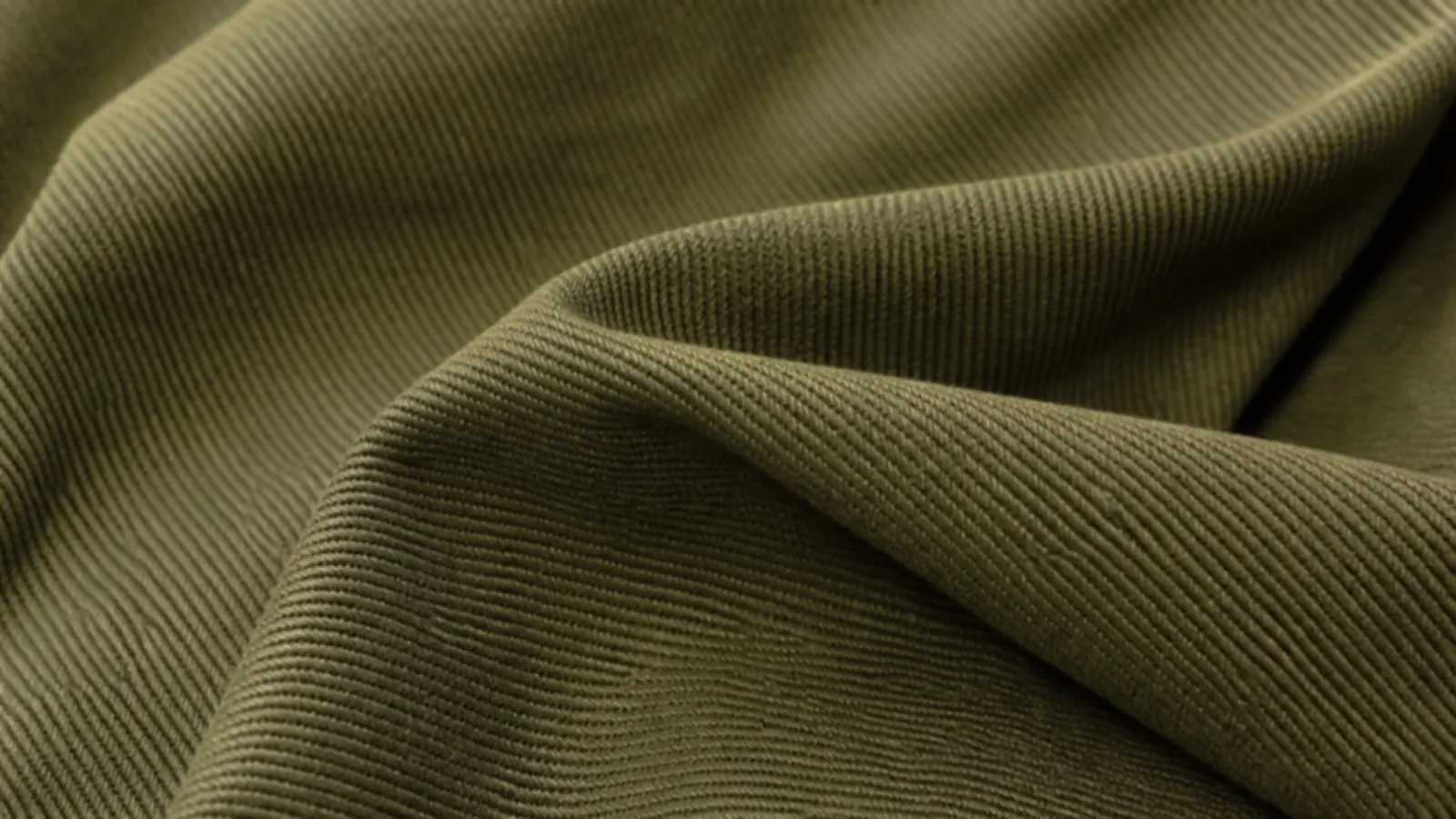
Drill
Strong cotton twill used for uniforms and workwear.
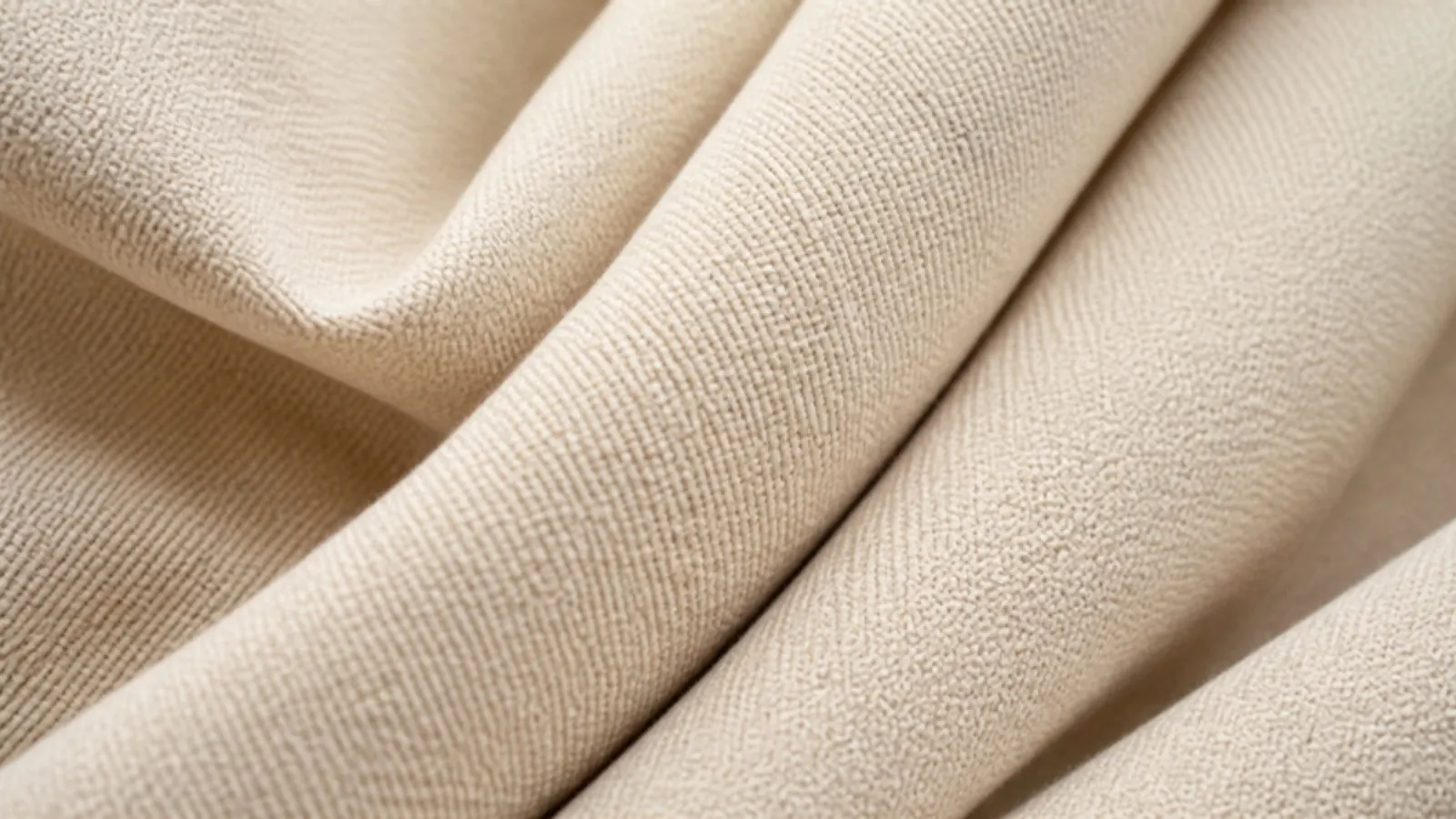
Canvas
Heavy plain weave. Tough and stable.
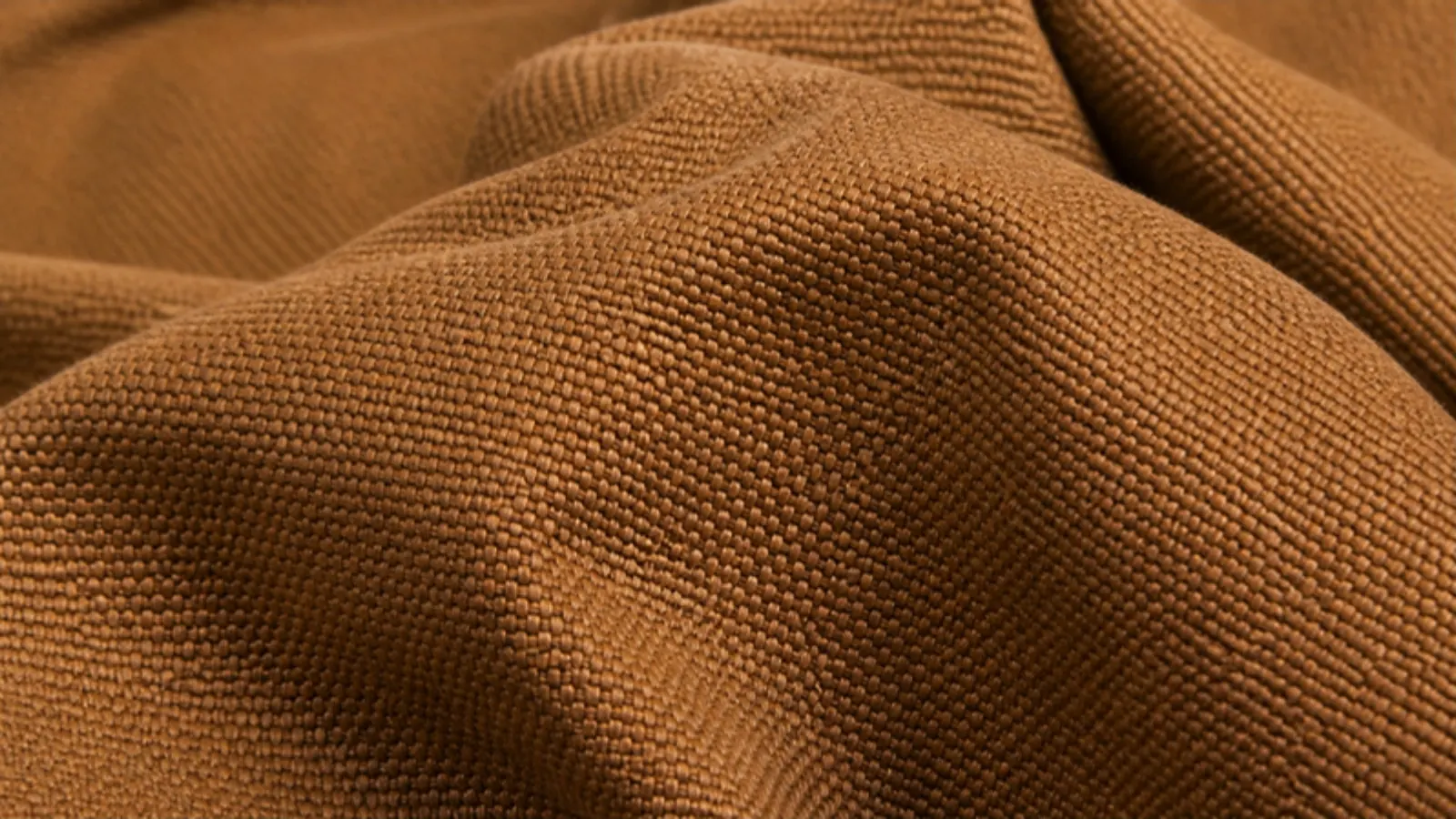
Duck Canvas
Tighter, heavier canvas for hard-wearing pieces.
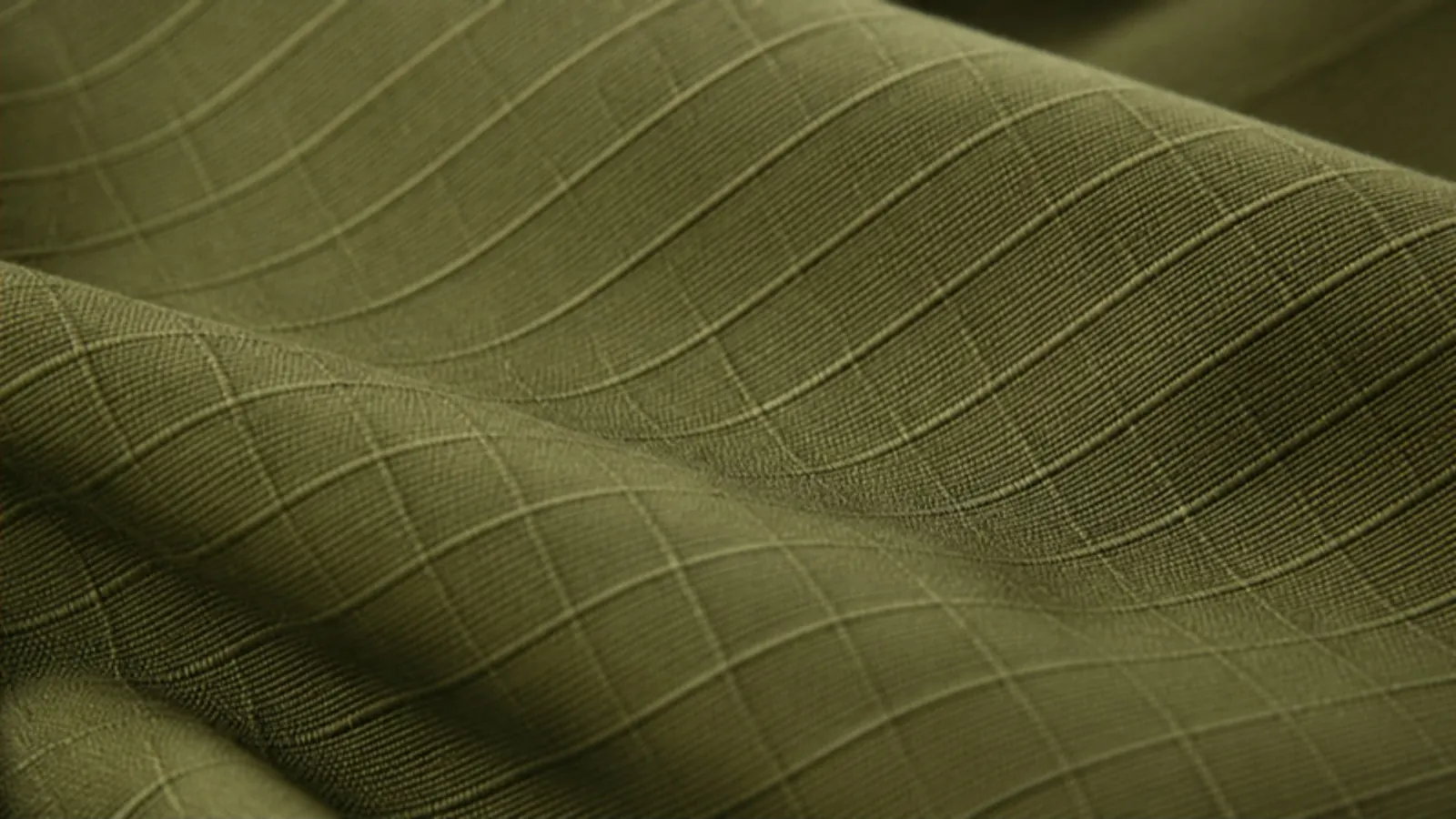
Cotton Ripstop
Reinforcement grid that stops tears spreading.
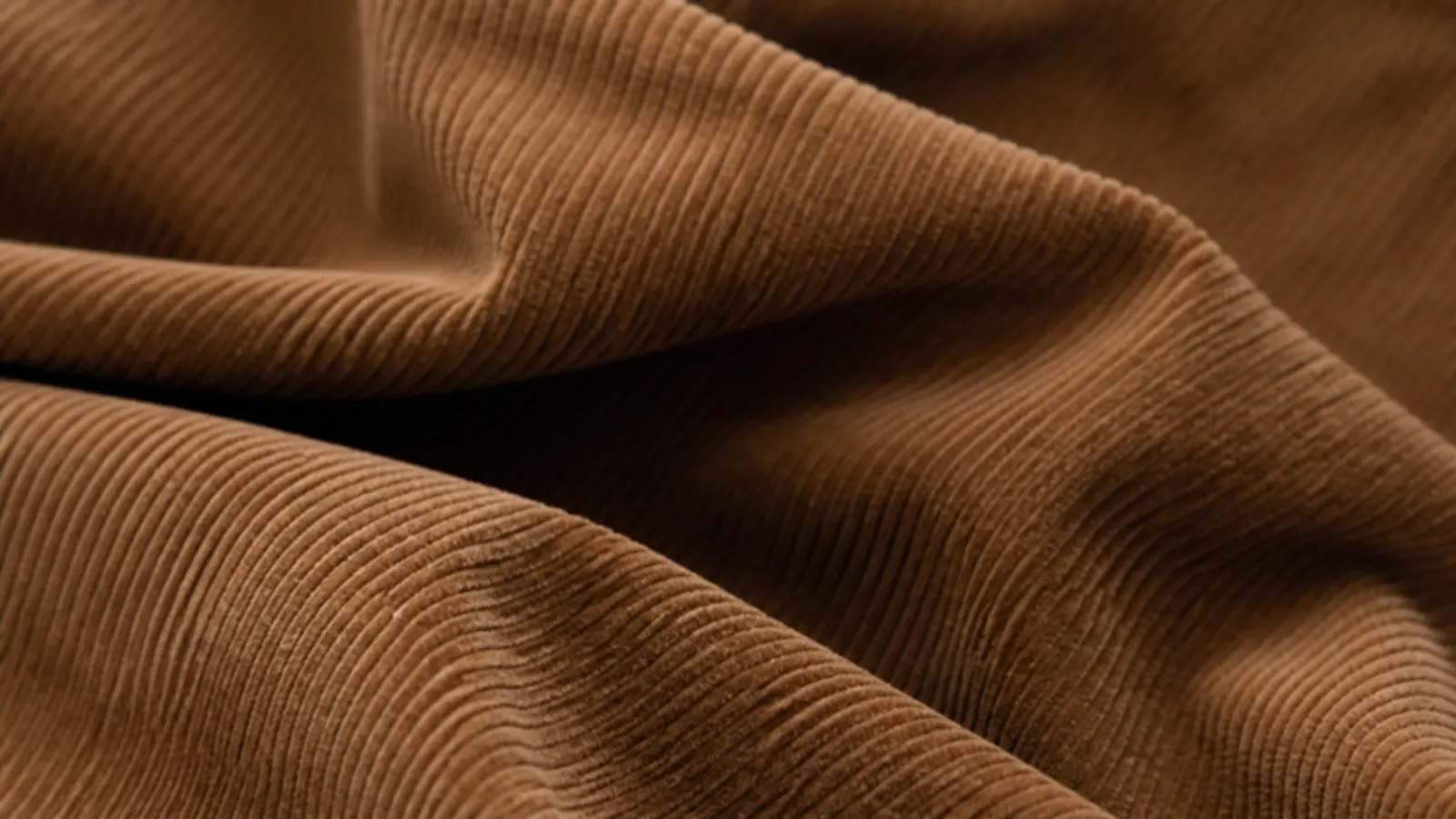
Needlecord
Fine-wale corduroy with narrow, soft ribs.
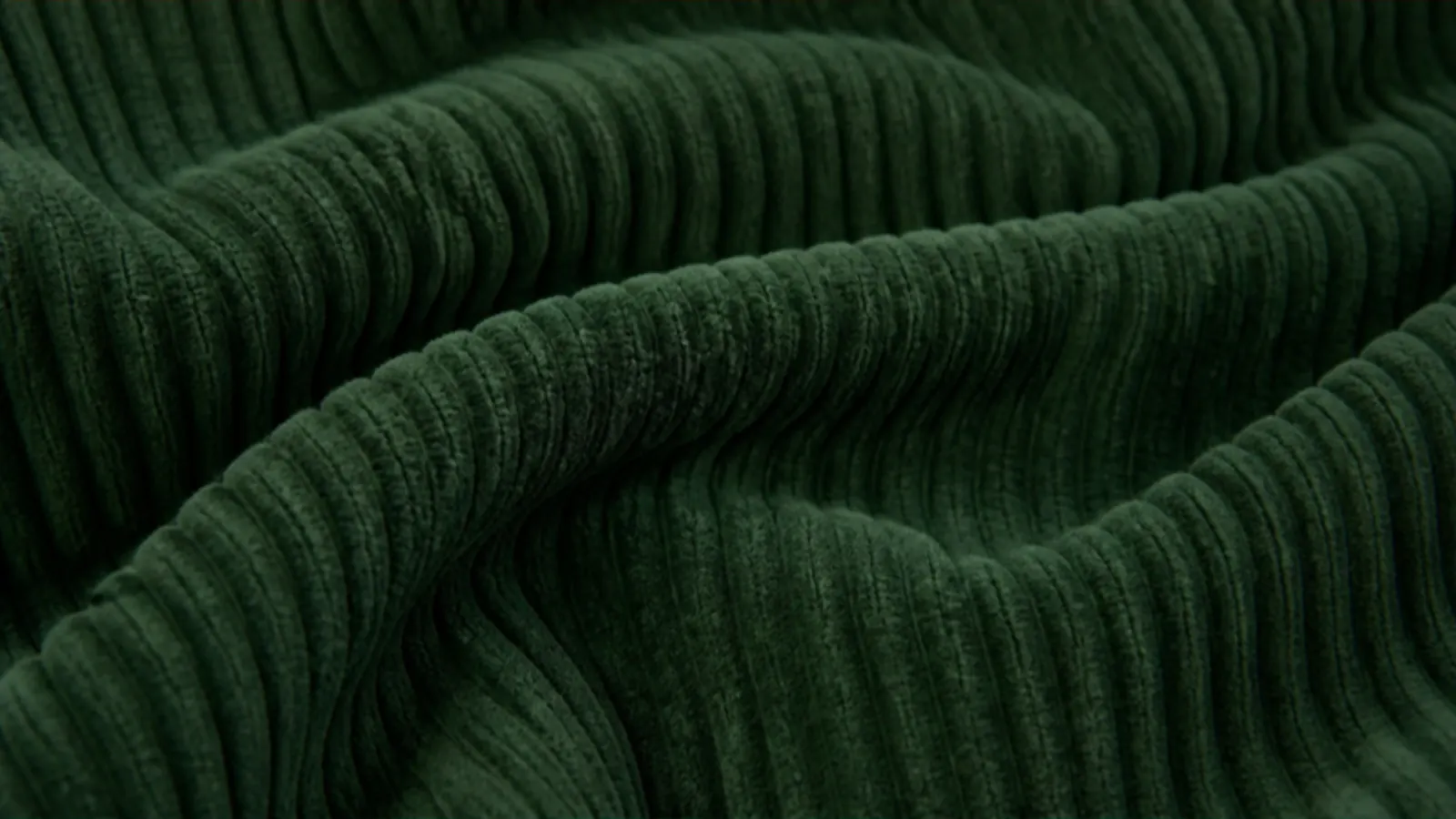
Wide-Wale Corduroy
Thick raised cords with a retro look.
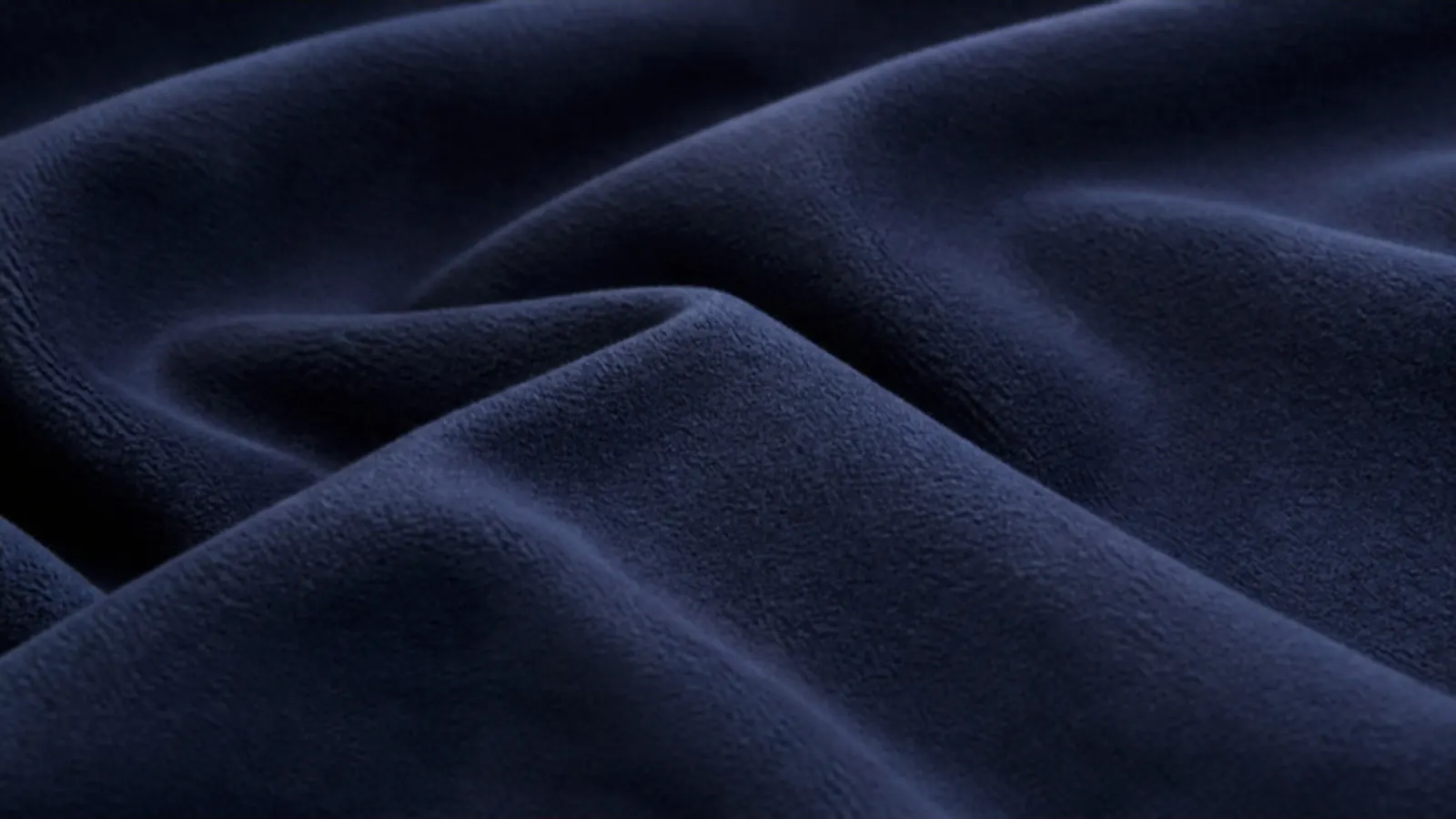
Moleskin
Dense cotton sheared to a suede-like surface.
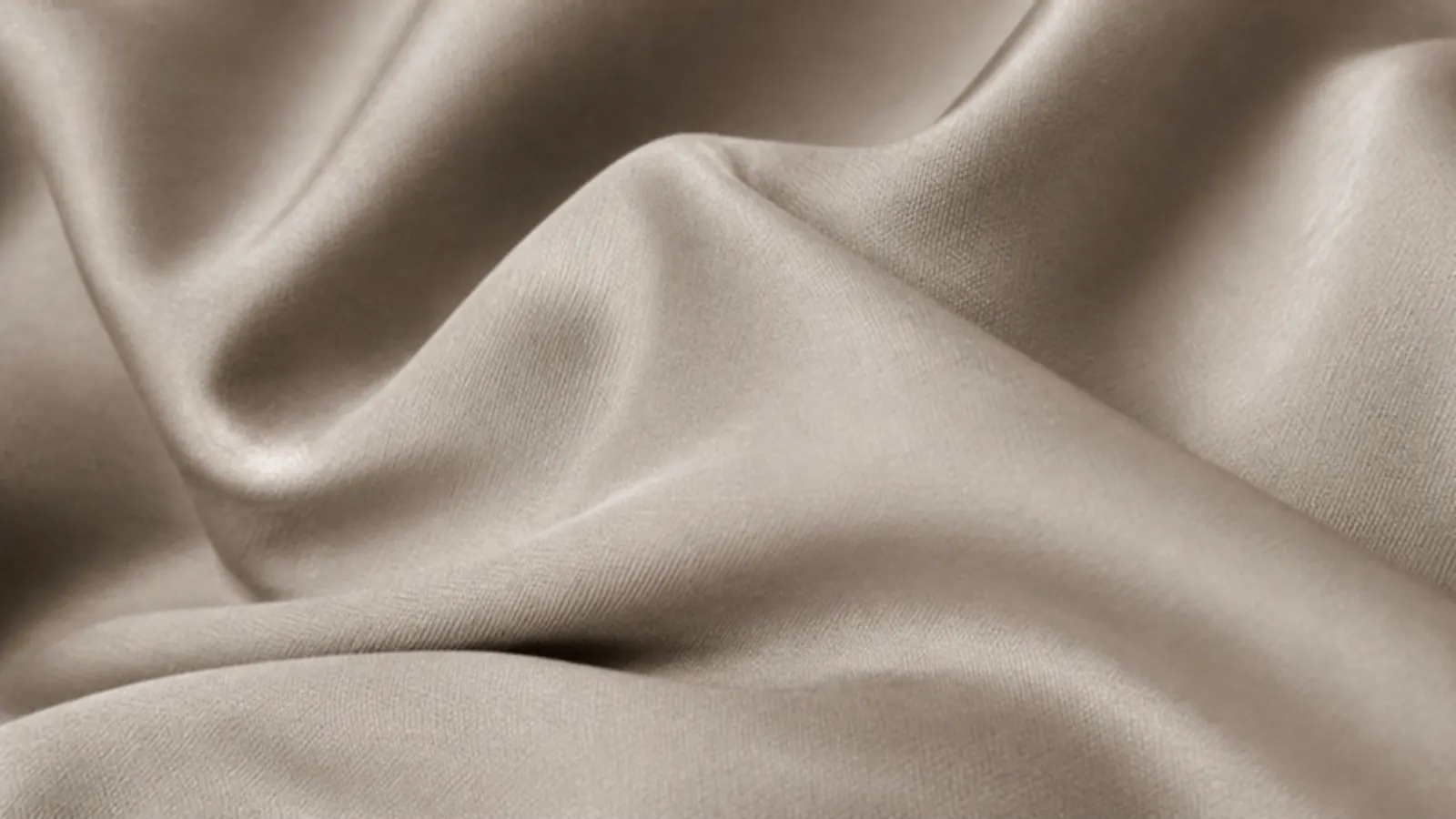
Cotton Sateen
Satin weave in cotton with a soft sheen.
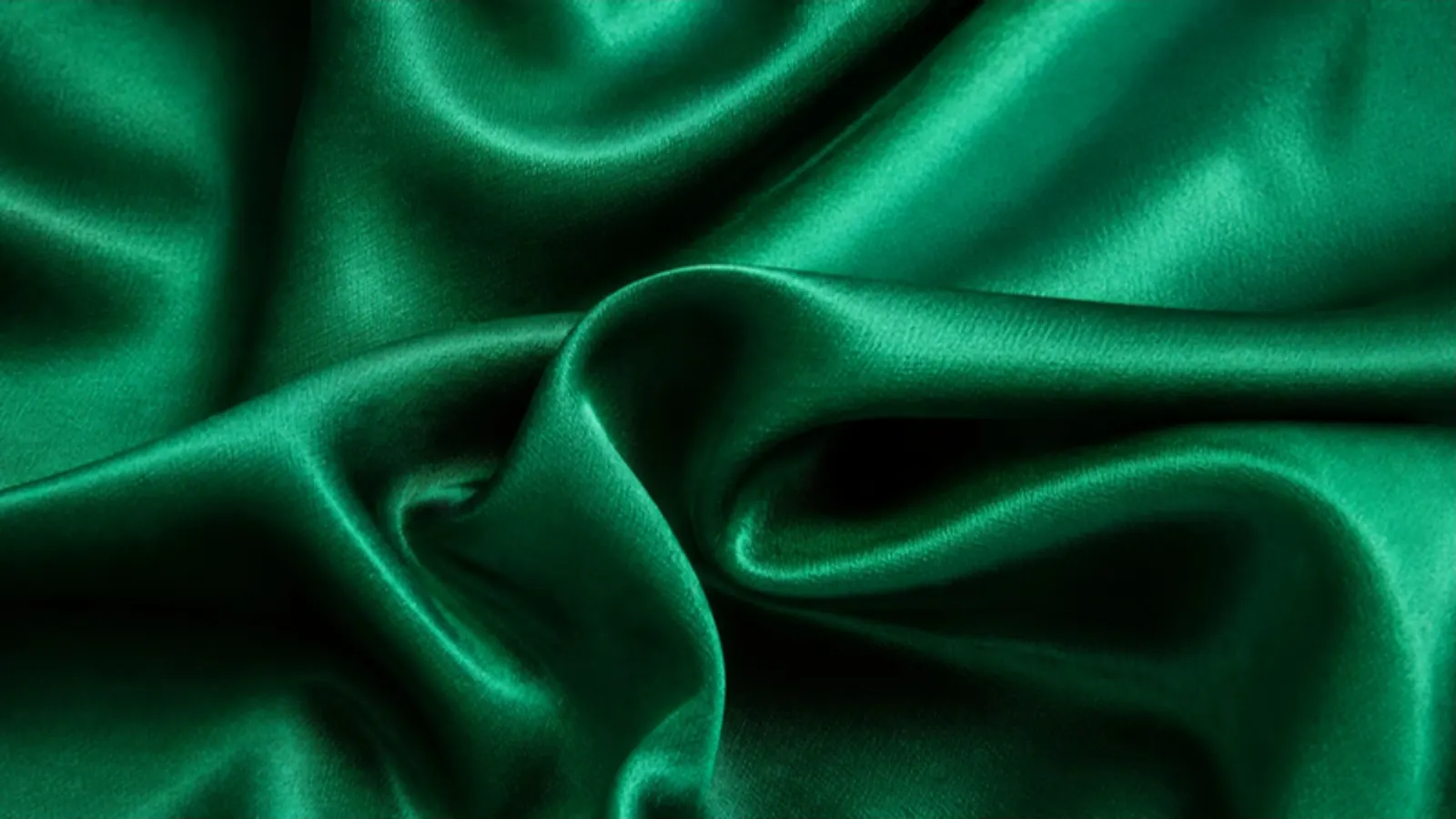
Satin
High-shine satin weave in polyester or silk.
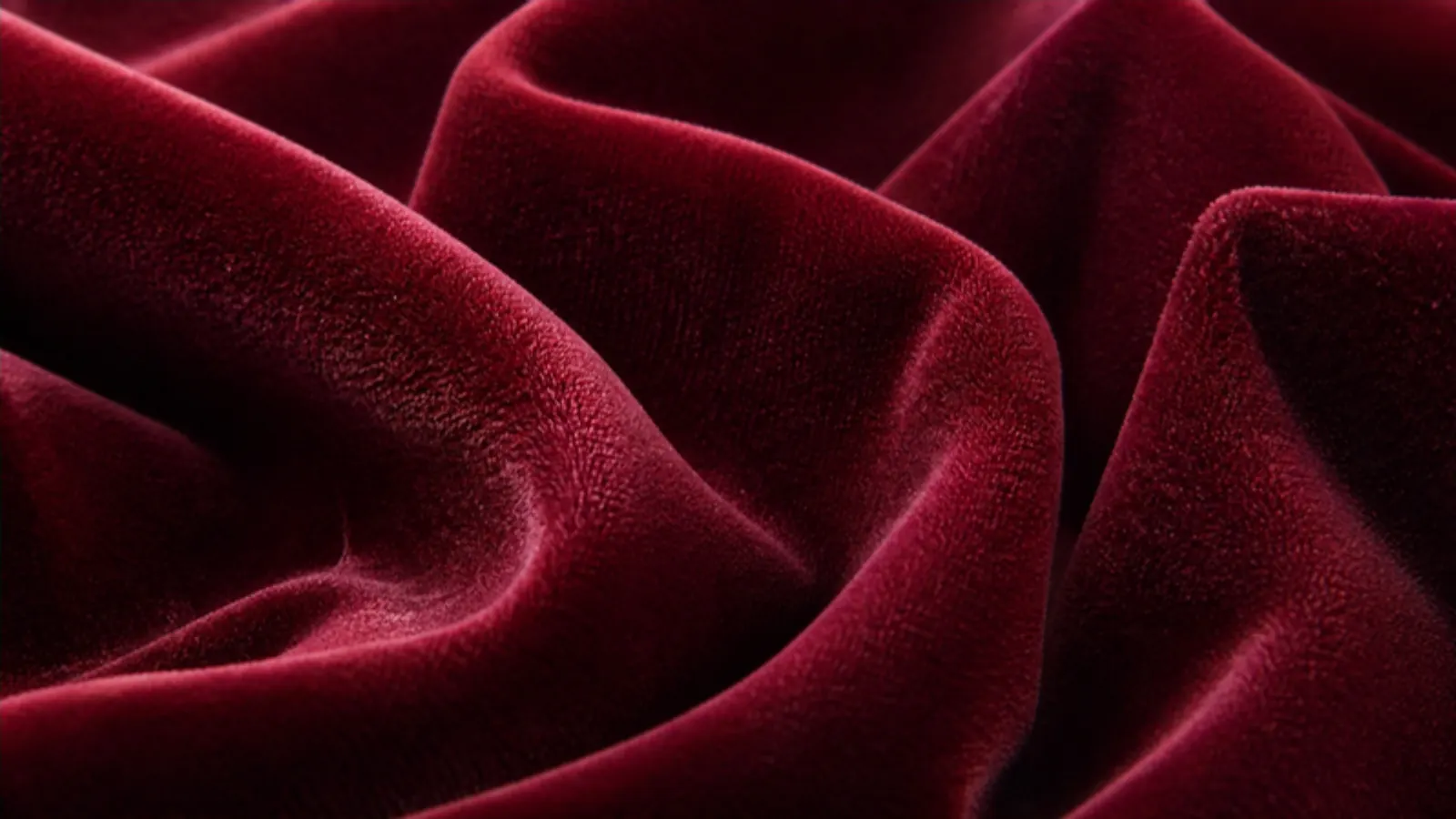
Velvet
Dense cut pile with deep colour and lustre.
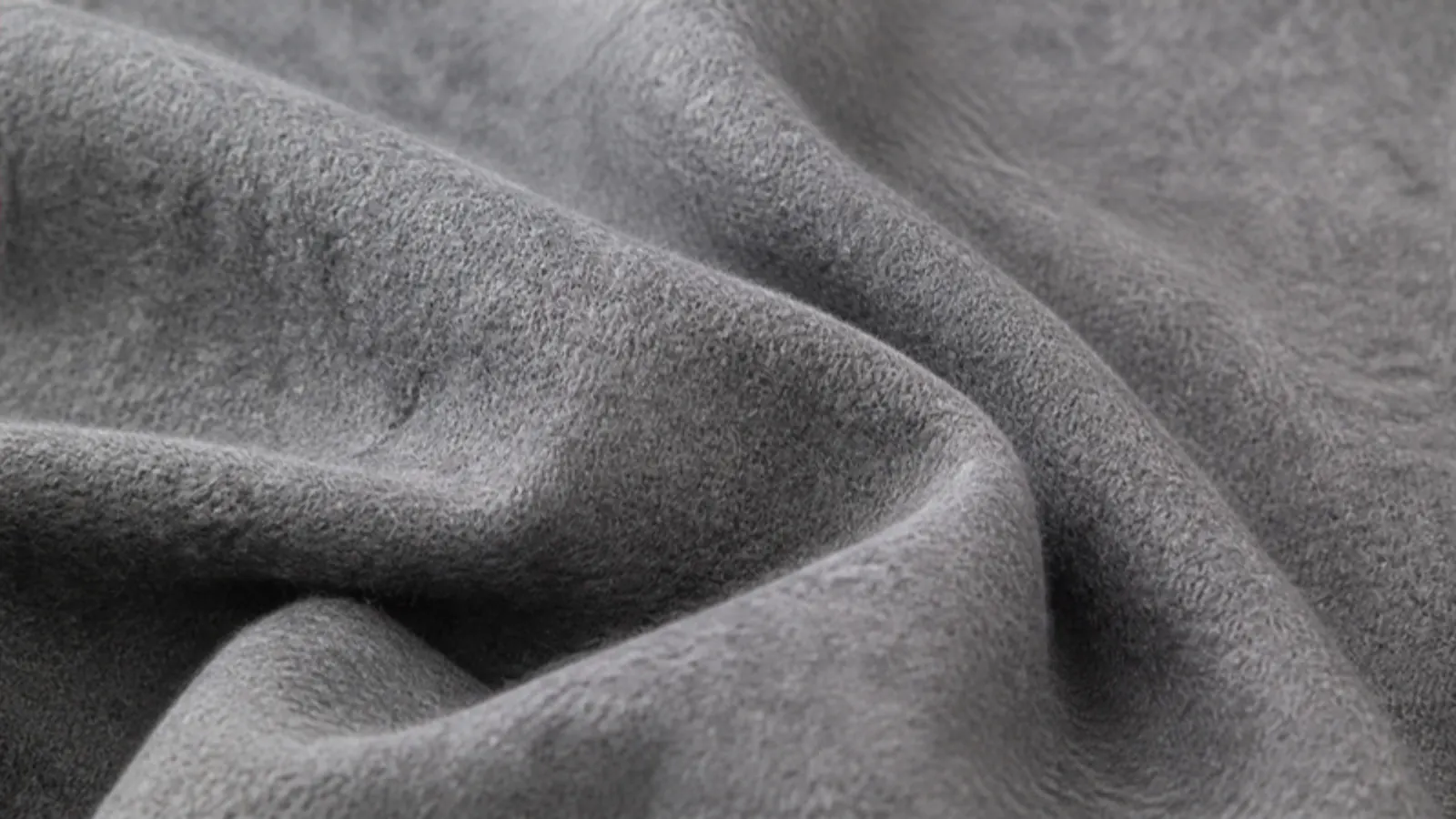
Wool Flannel
Soft, brushed wool with a matte surface.
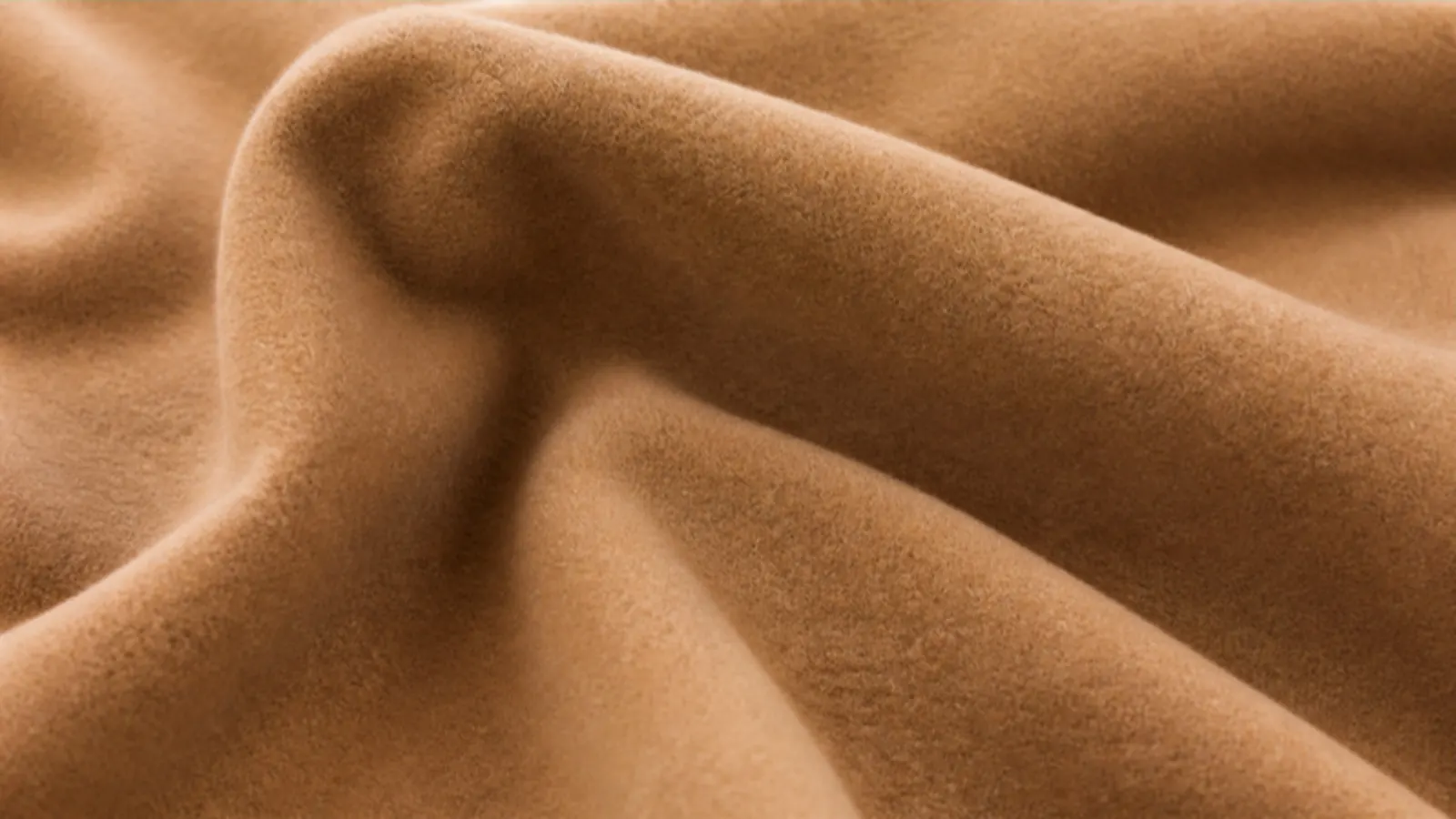
Melton
Dense, felted wool that blocks wind.
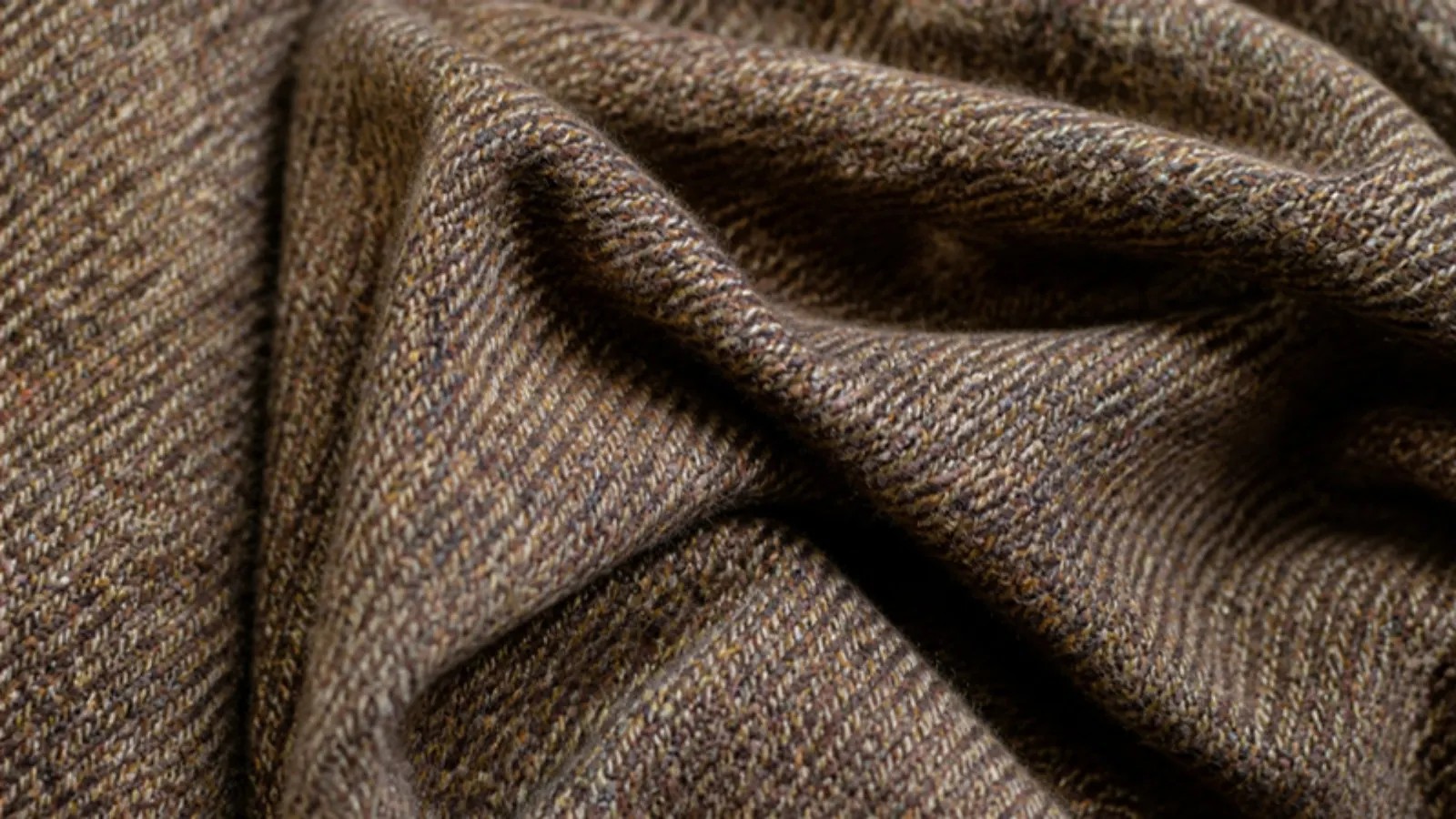
Tweed
Rough wool twill with flecks of colour.
Technical Outerwear Fabrics: Waterproof, Nylon and Puffer
Jackets and parkas call for technical types of fabric for clothes that keep out wind and rain. Nylon, polyester and treated cottons for jackets, parkas, puffers, windbreakers and technical trousers. Finishes include waterproof, water-repellent, downproof, coated, bonded, waxed and multilayer.
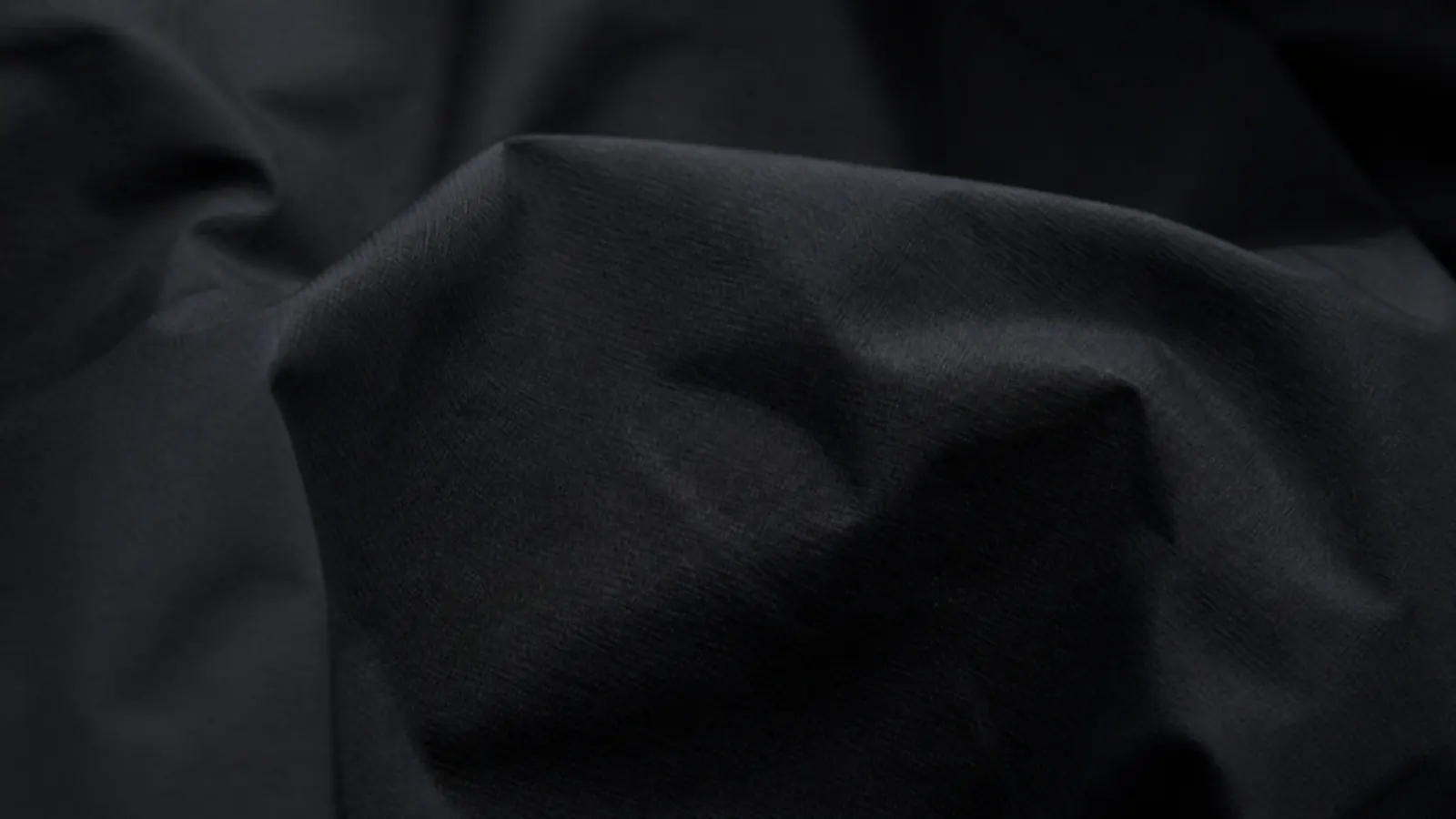
Nylon Taslan
Air-textured nylon with a matte, cotton-like hand. Tough and abrasion-resistant.
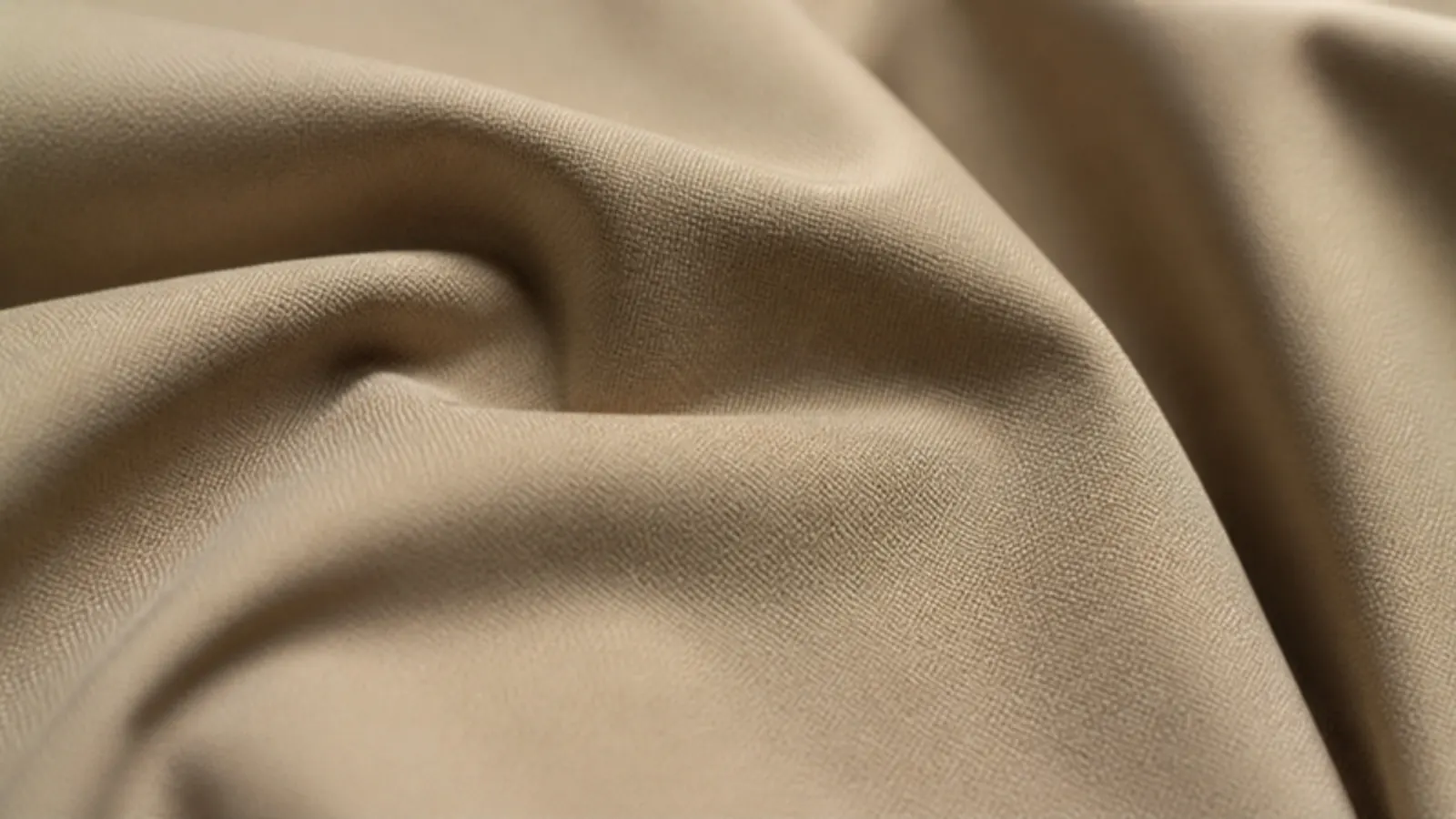
Tactel Woven
Nylon microfibre woven for a soft, matte jacket fabric.
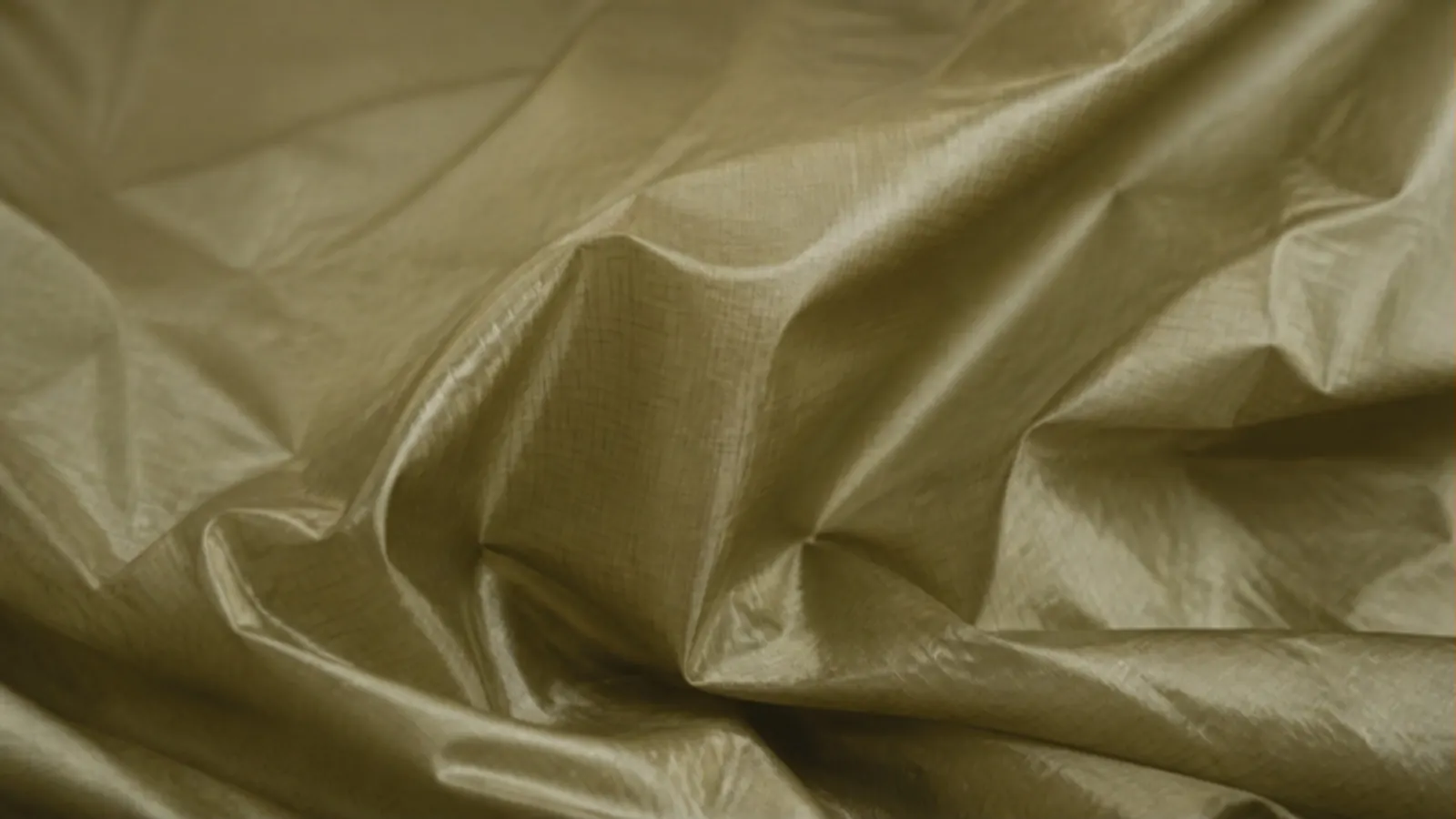
Parachute Nylon
Thin, crisp, slightly shiny nylon with a rustle.
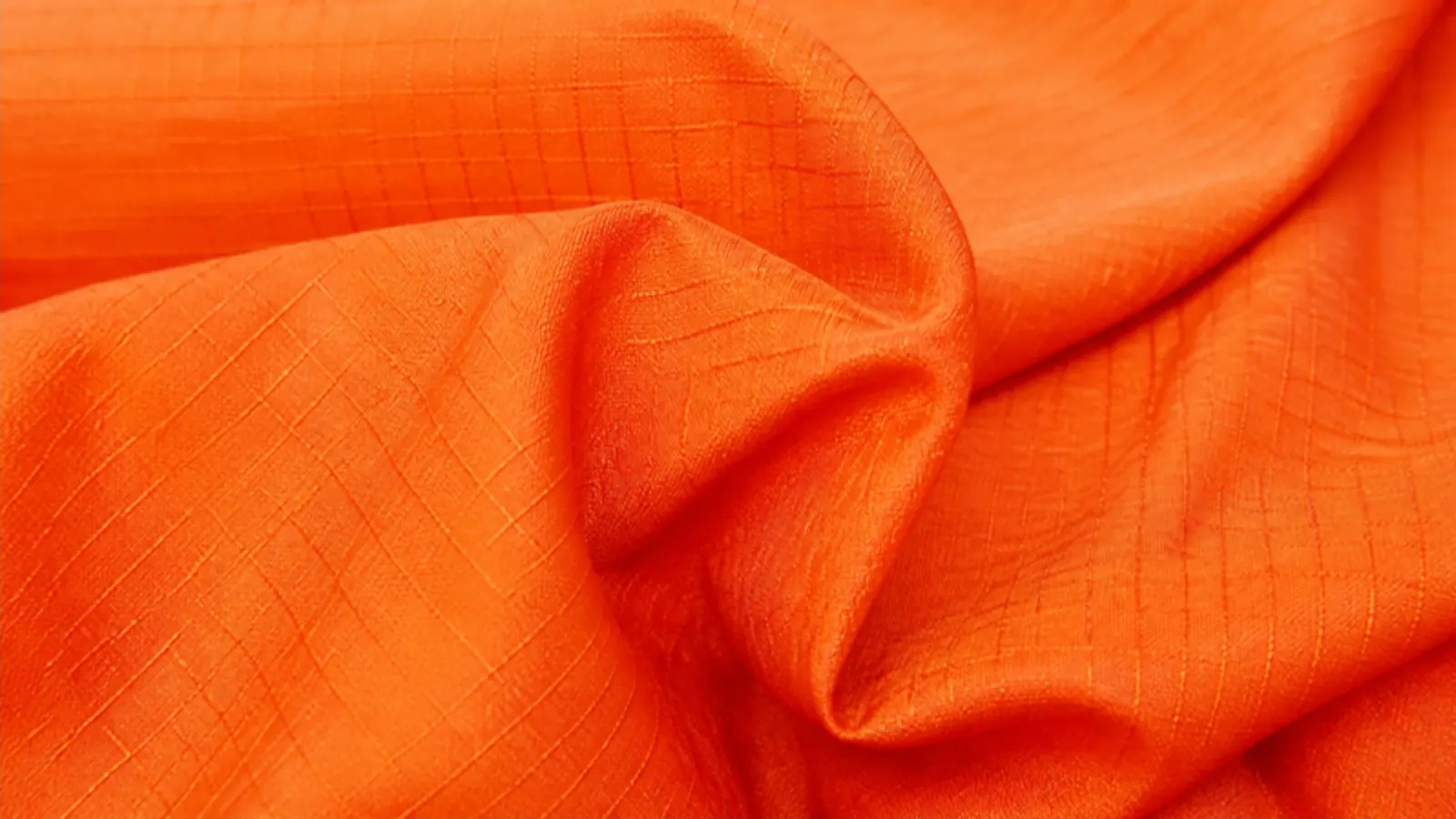
Nylon Ripstop
Light nylon with a reinforcement grid.
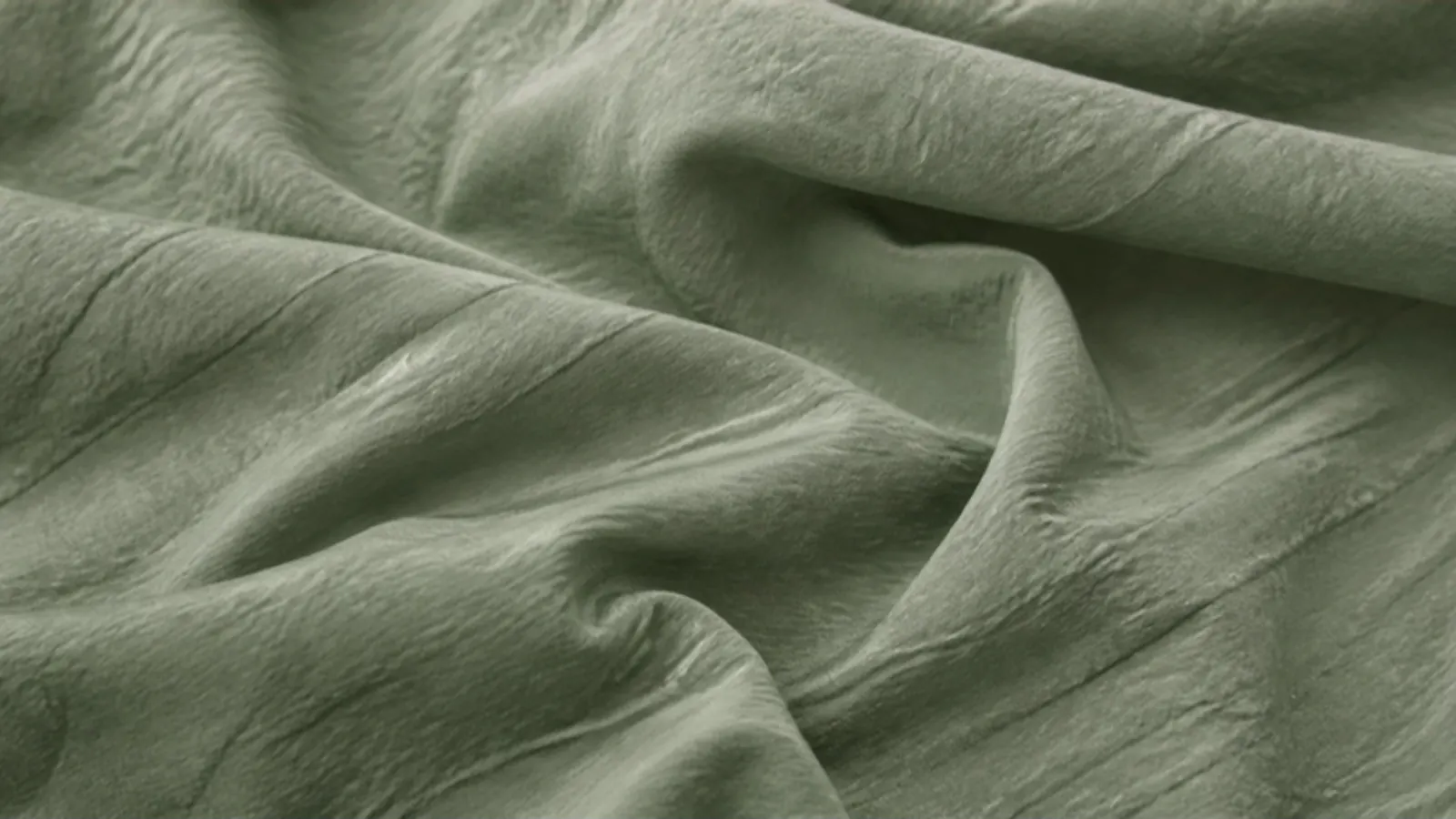
Crinkle Nylon
Washed nylon with a permanent wrinkled texture.
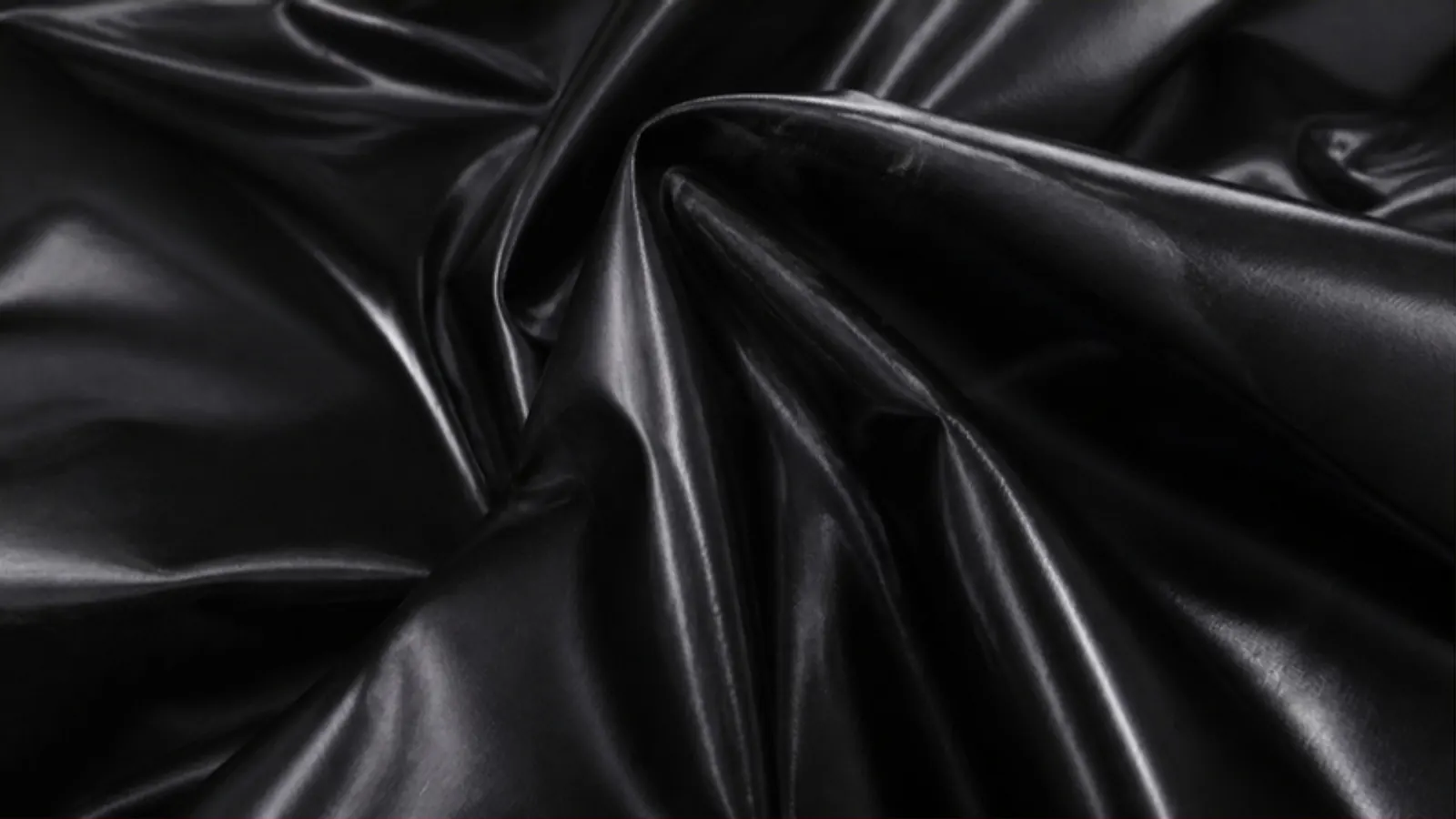
Ciré Nylon
Calendered for a glossy, wet-look finish.
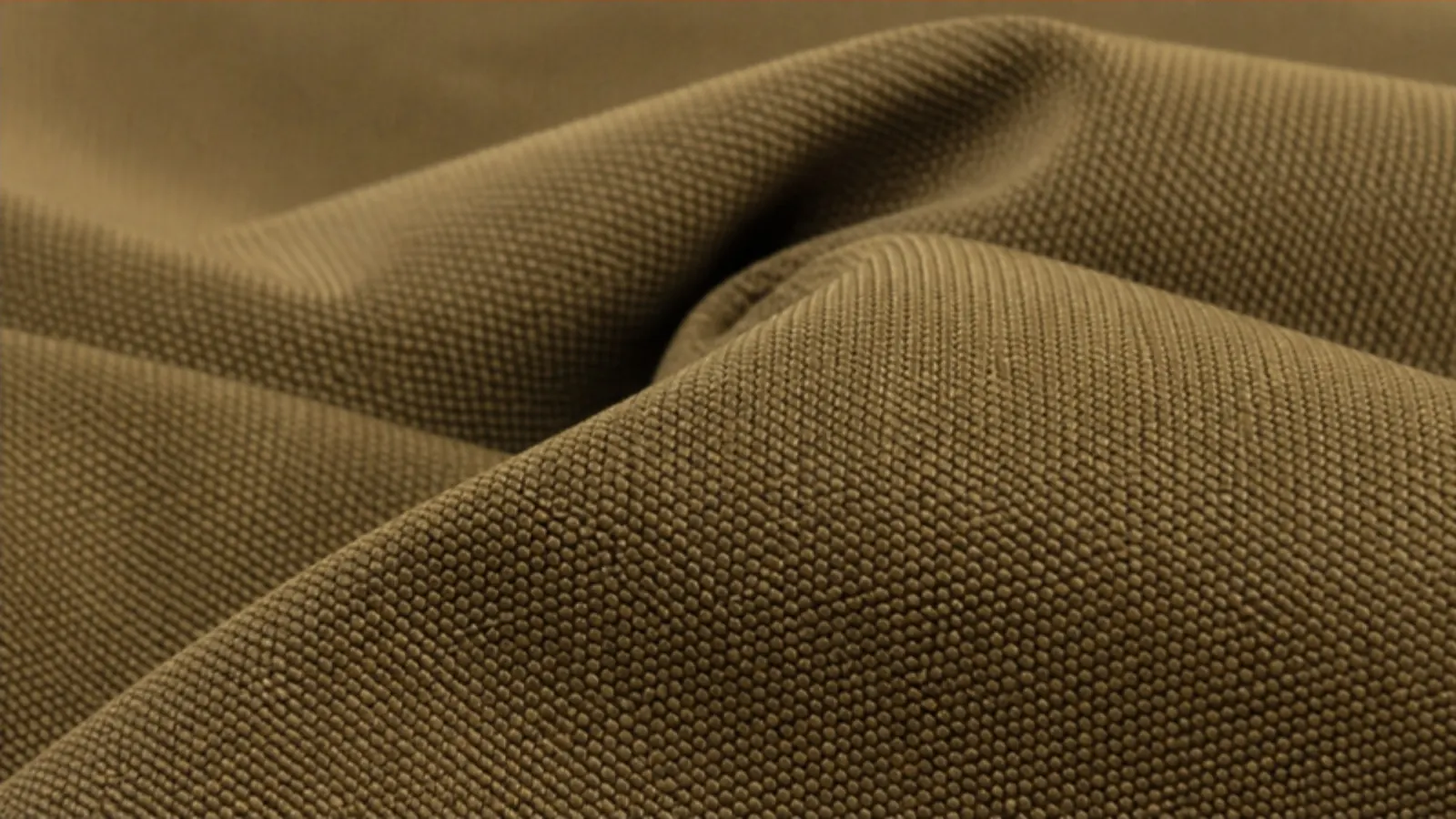
High-Tenacity Nylon
Heavy nylon with very high abrasion and tear strength.
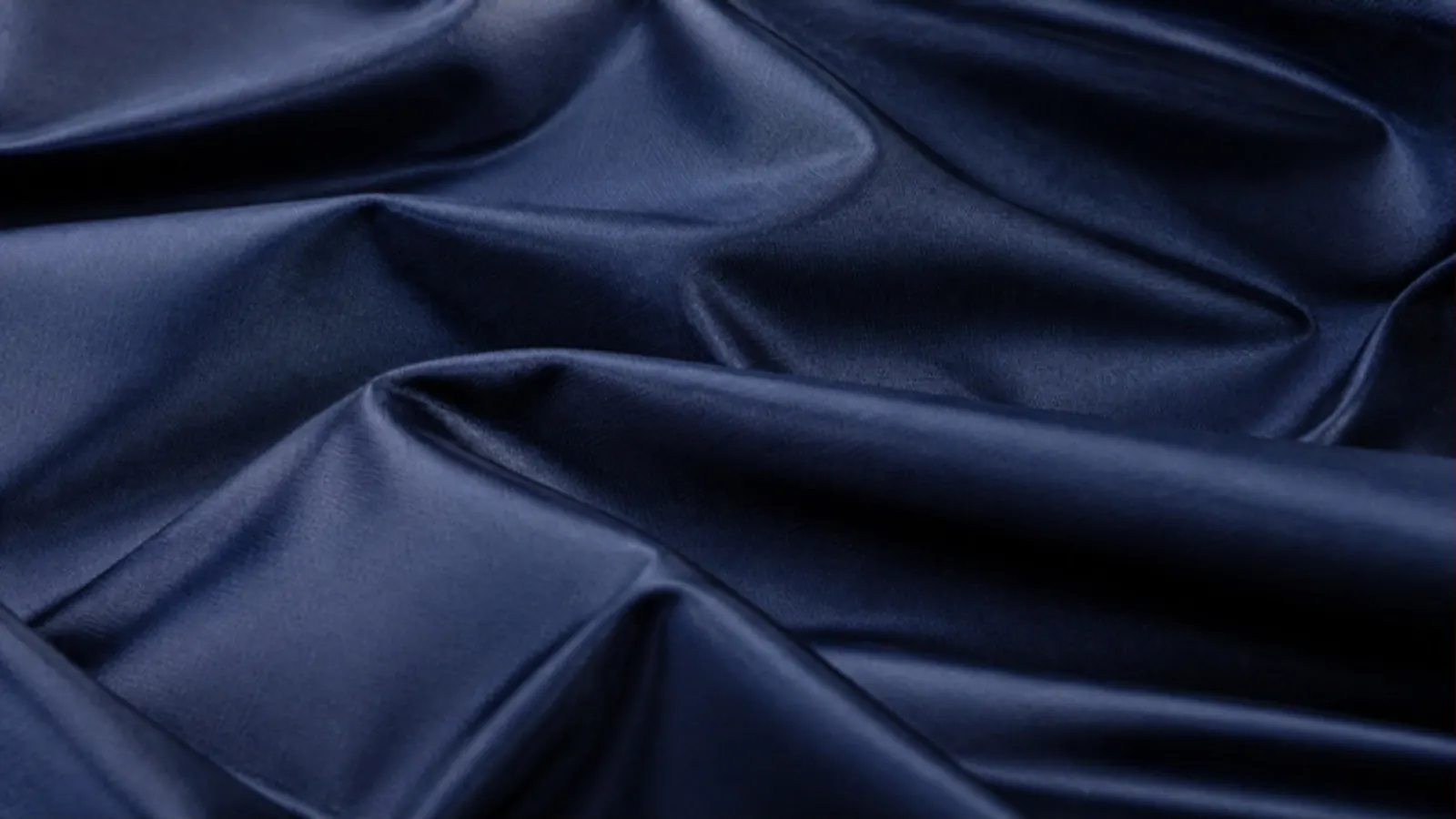
Nylon / Poly Taffeta
Smooth, crisp plain weave with a light sheen.
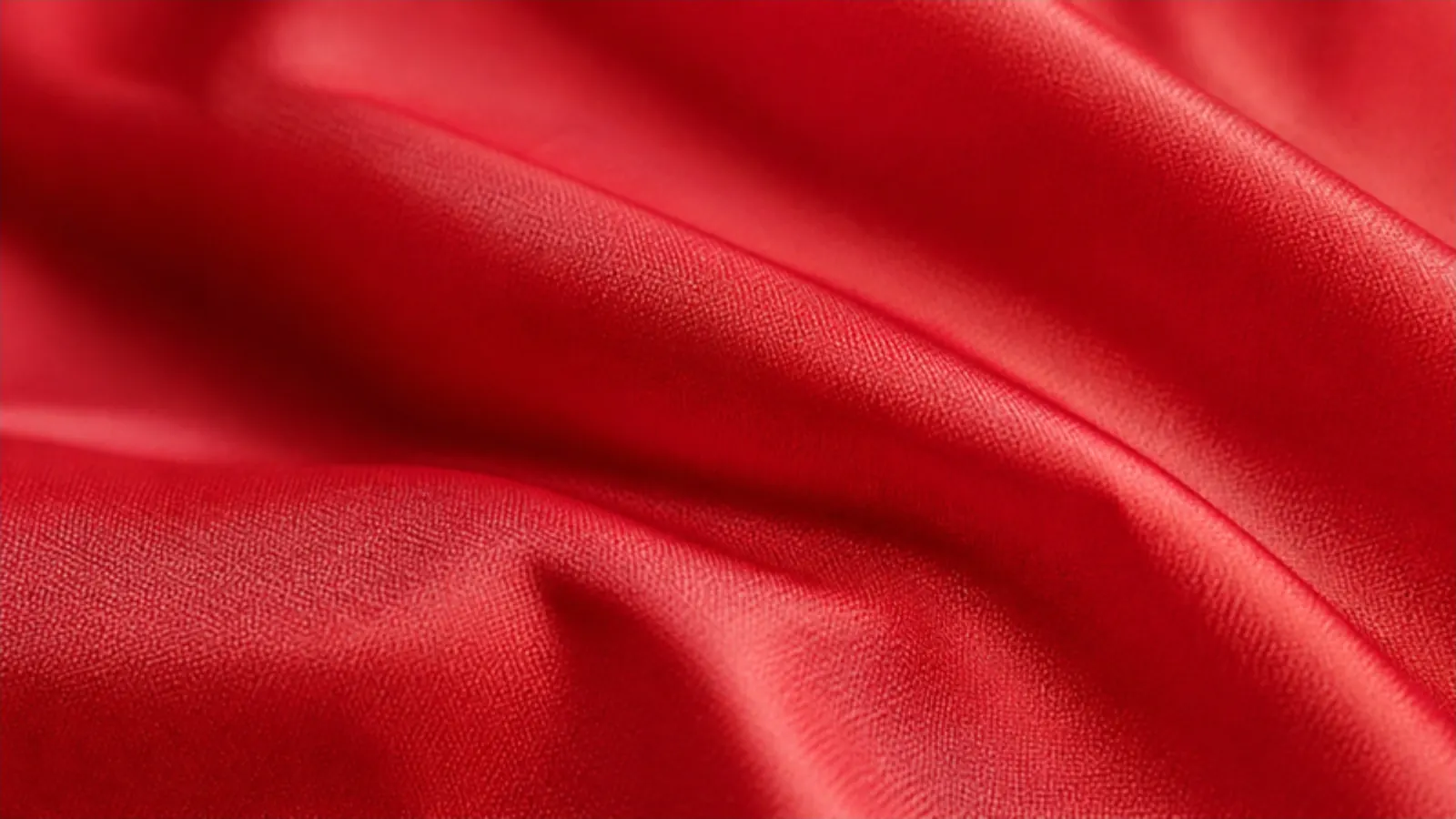
Downproof Taffeta
Tight, calendered weave that keeps down and feathers inside.
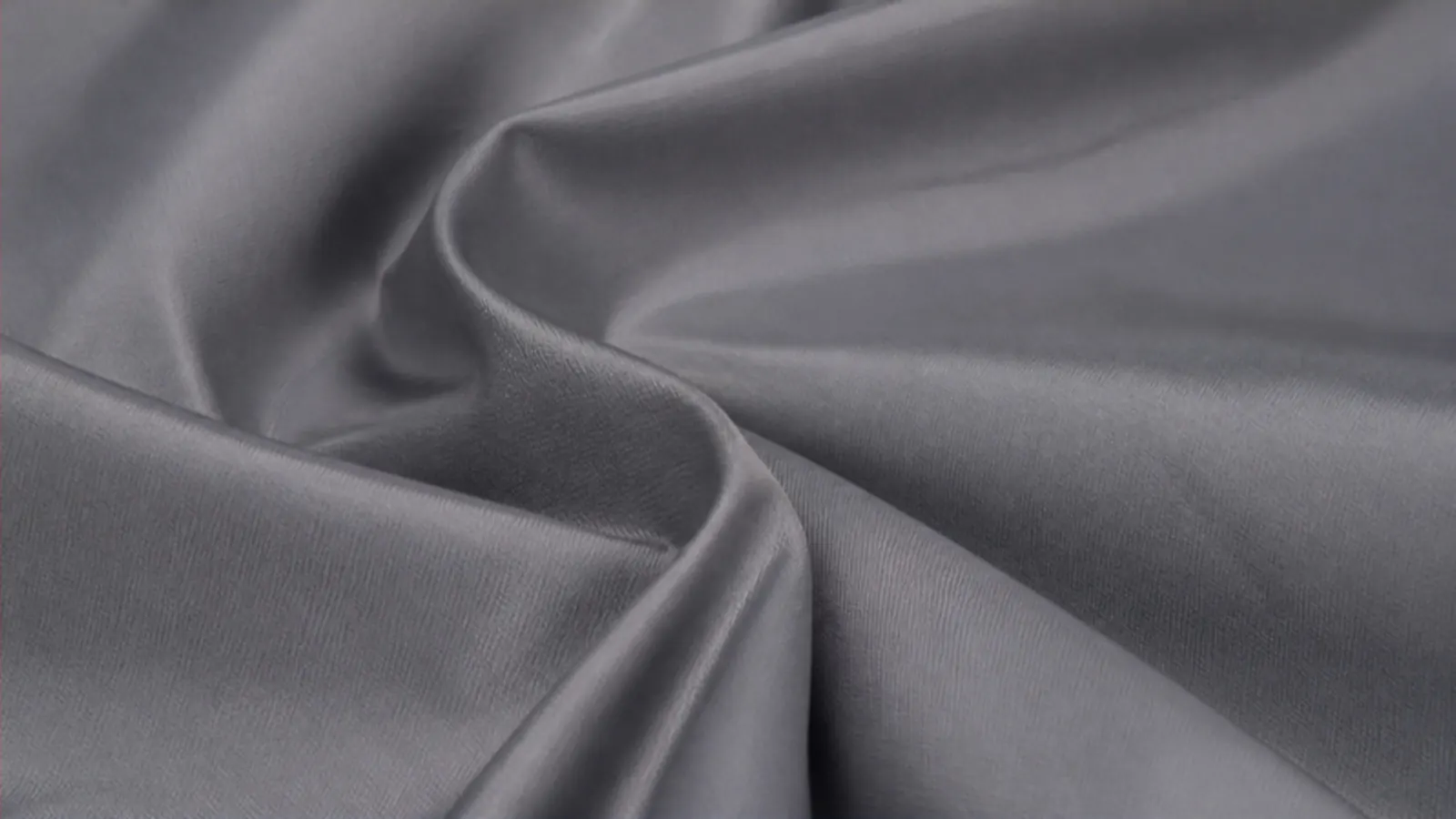
Polyester Pongee
Light, smooth lining fabric.
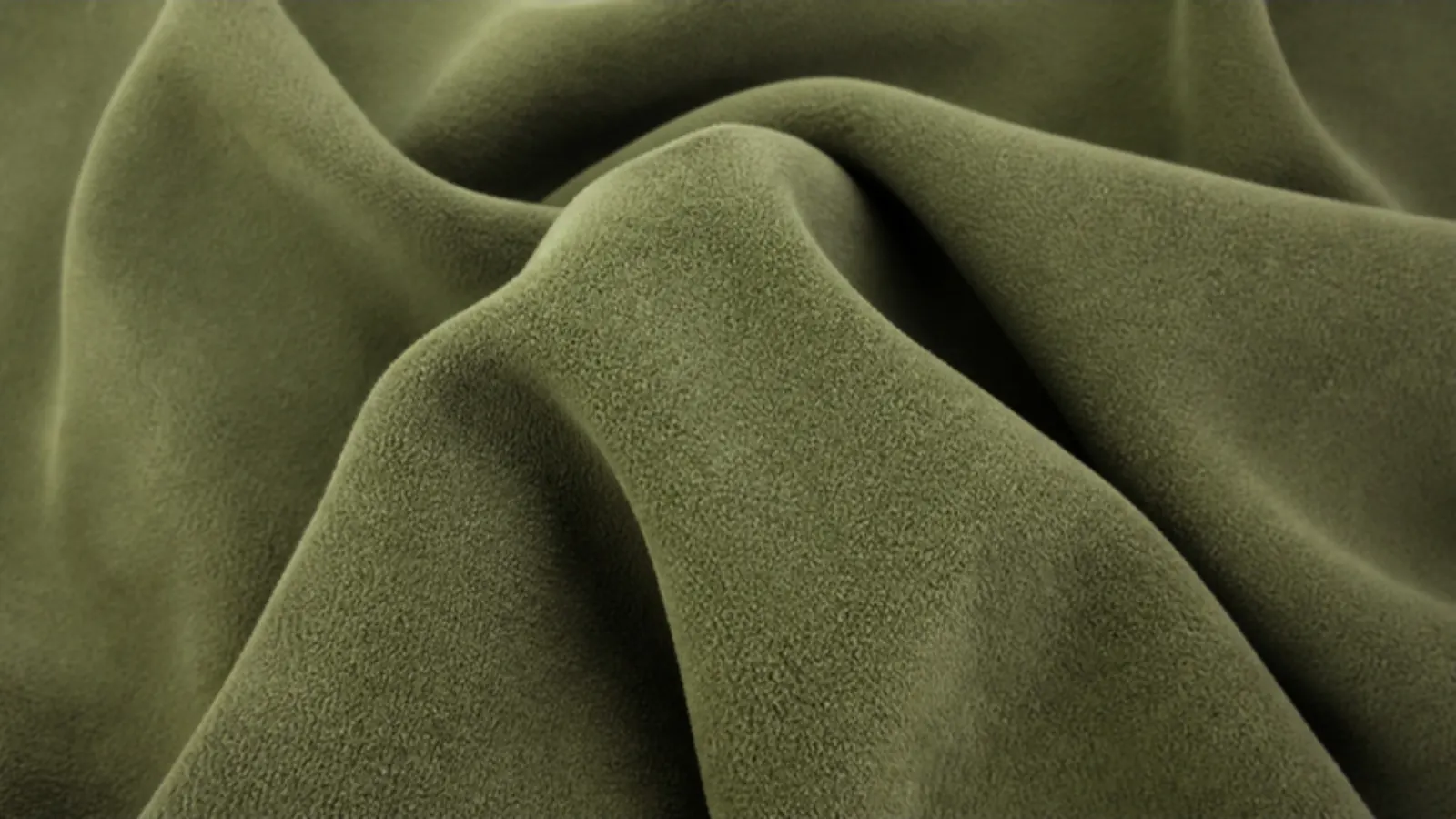
Peach Skin Microfibre
Sanded microfibre with a soft, suede-like touch.
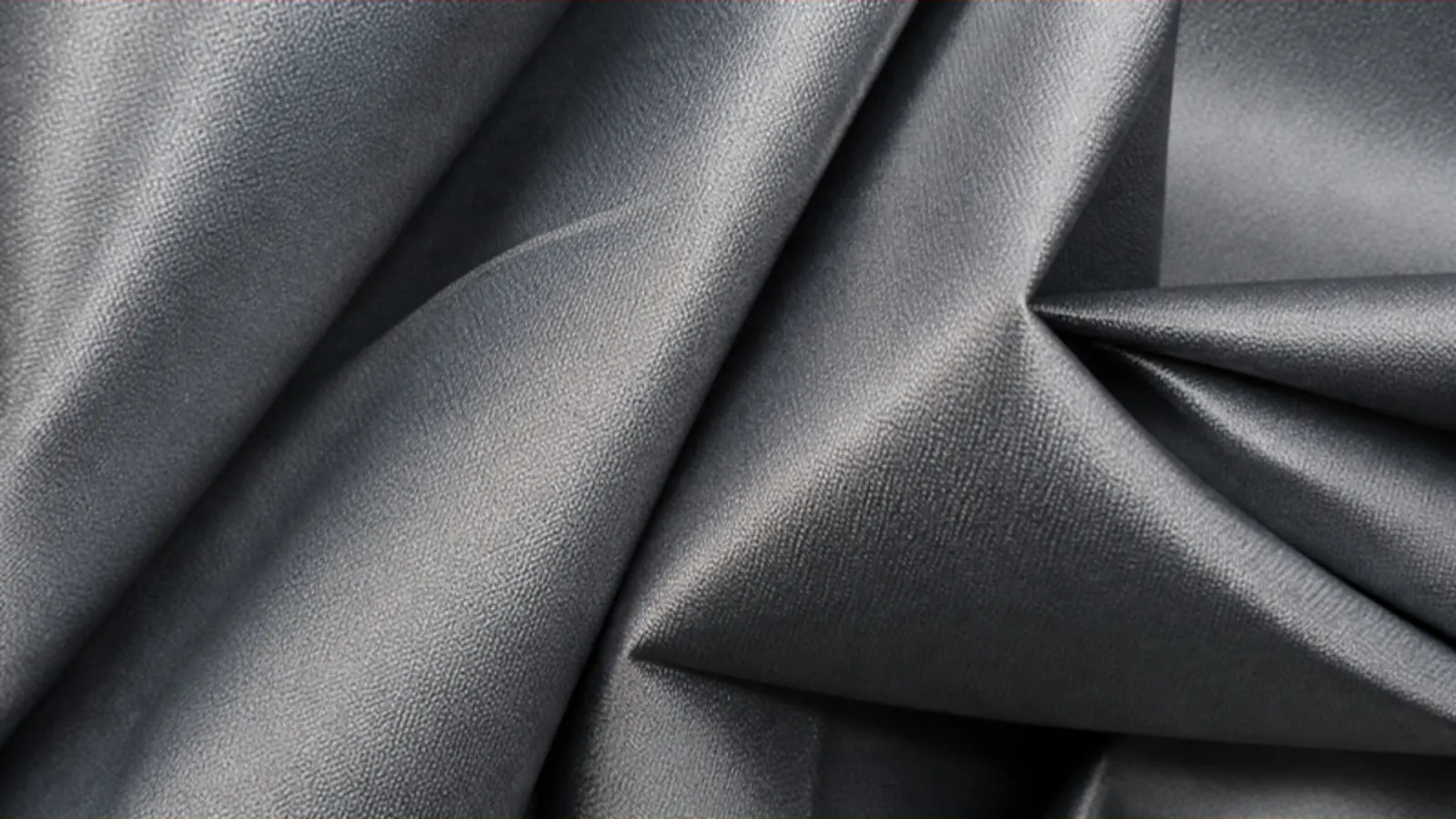
Memory Fabric
Polyester that holds creases and shape when scrunched.
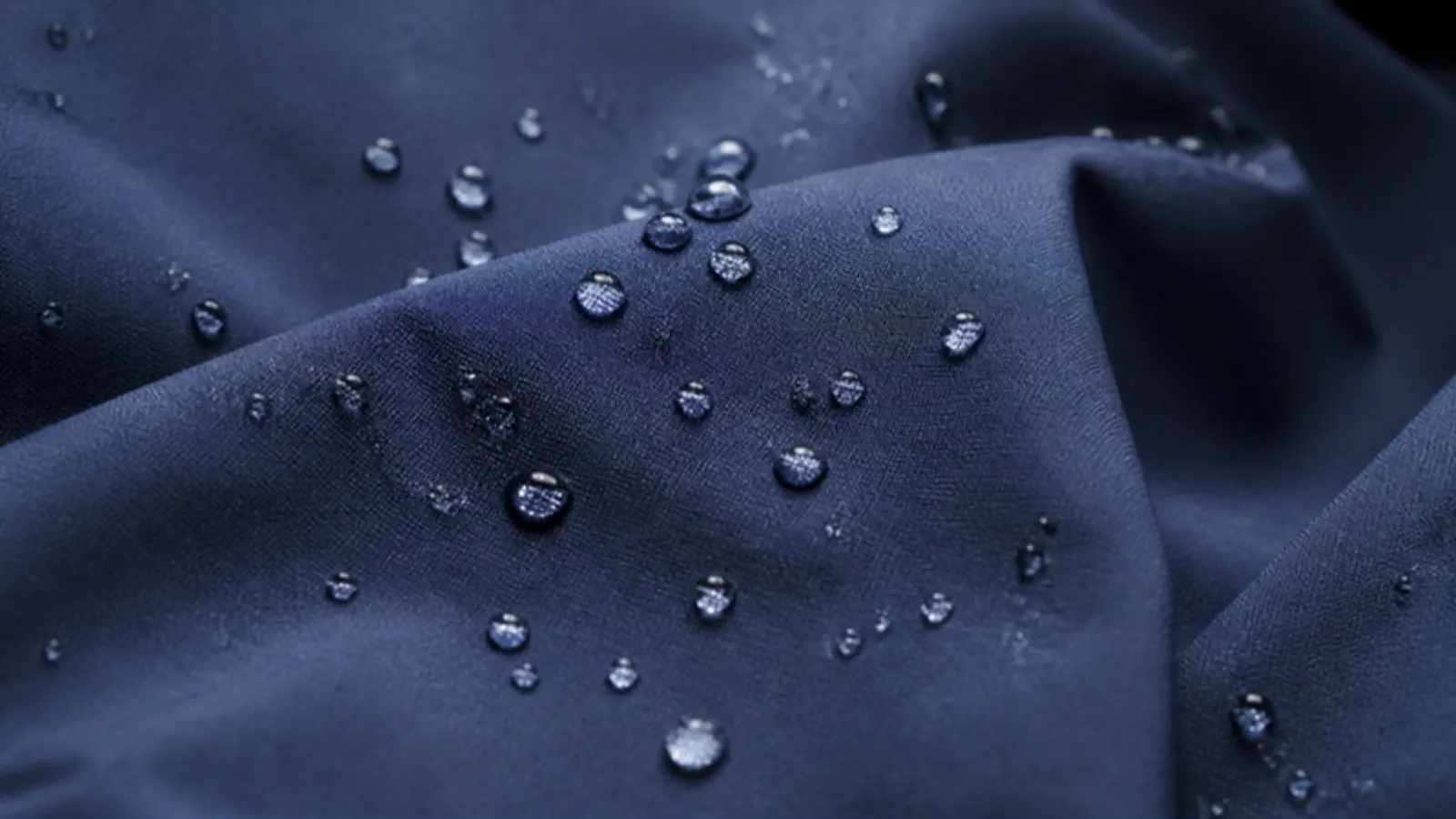
Waterproof 2-Layer
Face fabric bonded to a membrane, with a loose lining.
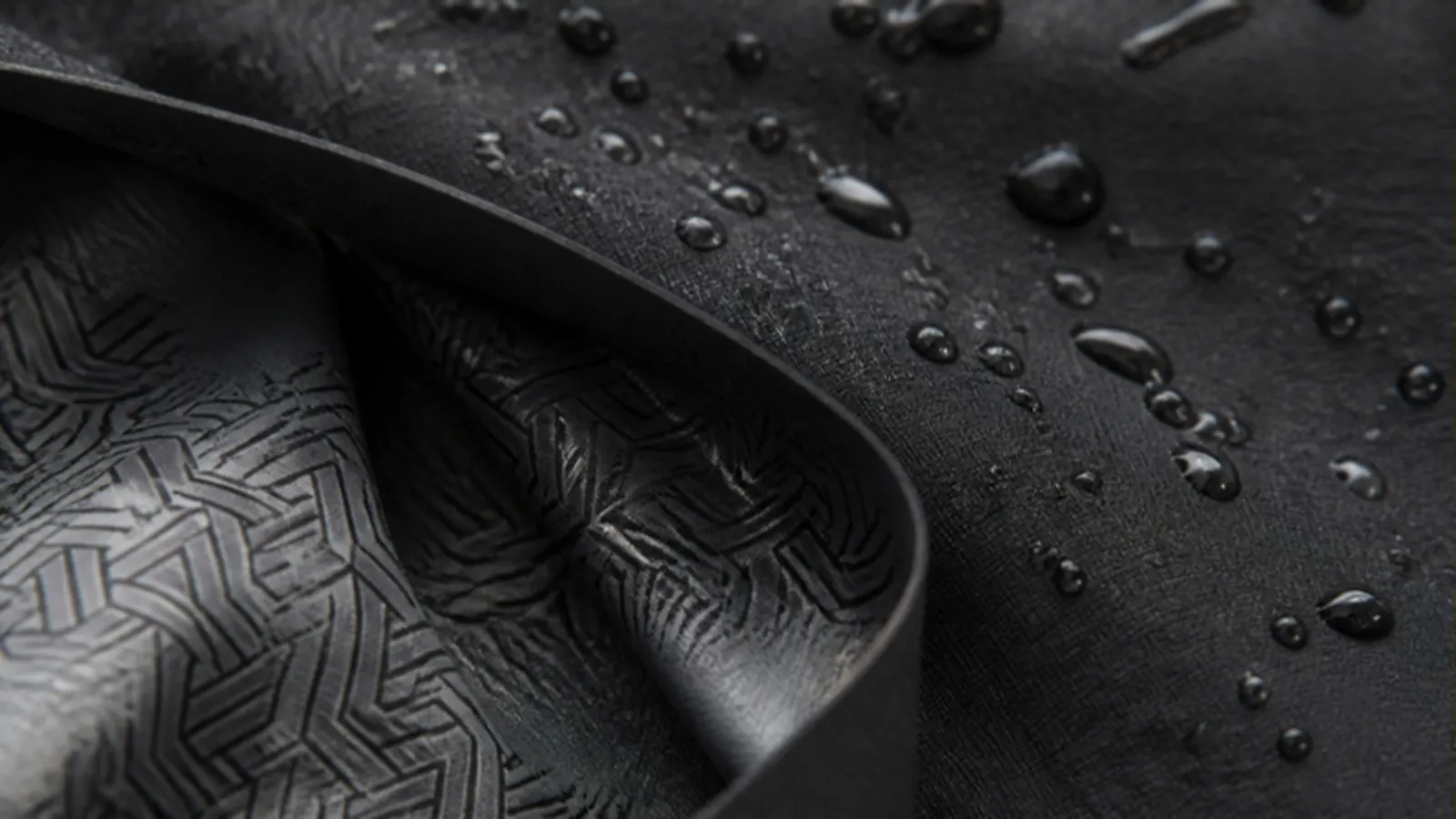
Waterproof 2.5-Layer
Membrane protected by a printed half-layer. Light and packable.
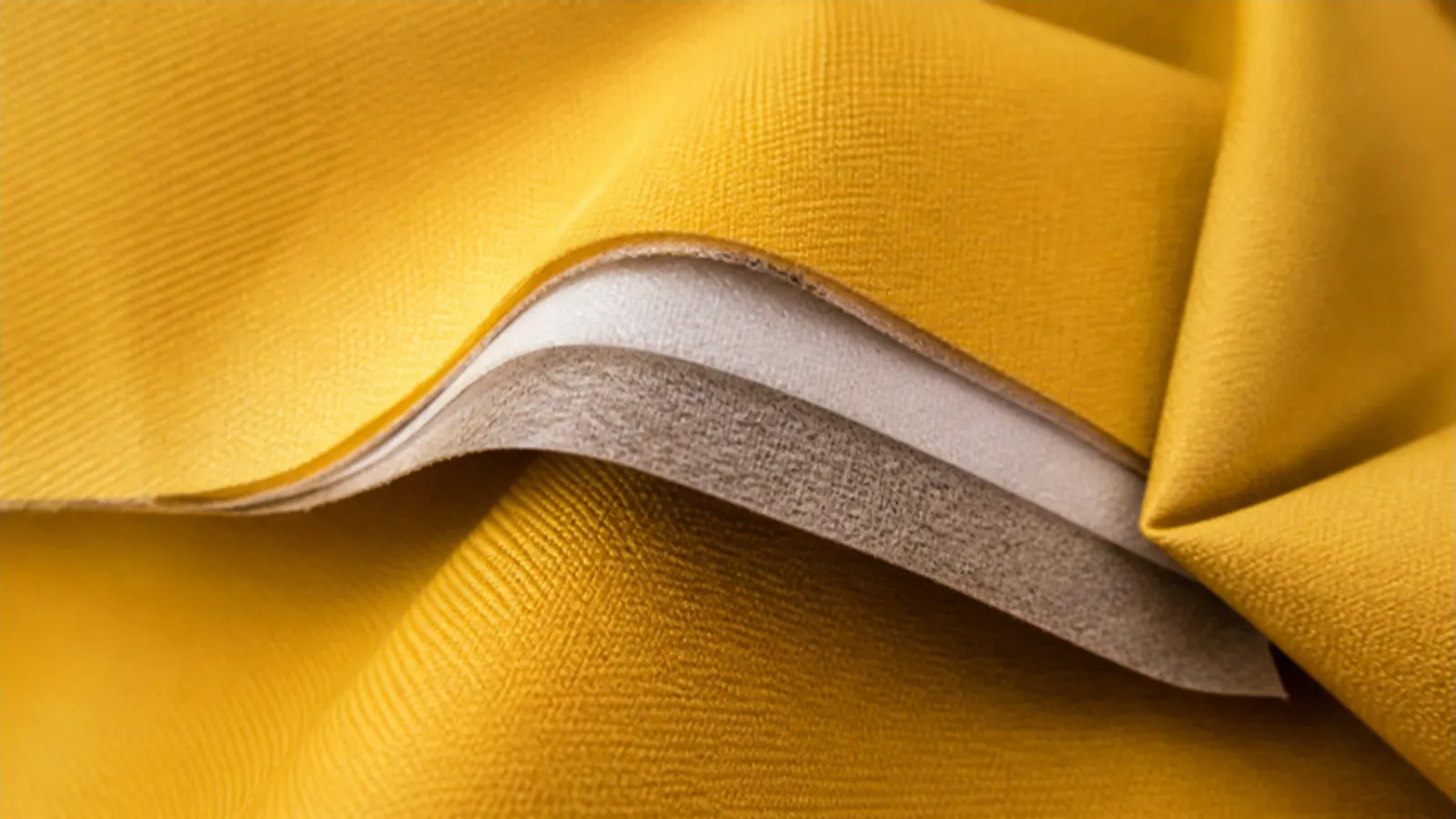
Waterproof 3-Layer
Face, membrane and lining laminated into one fabric. The most durable shell.
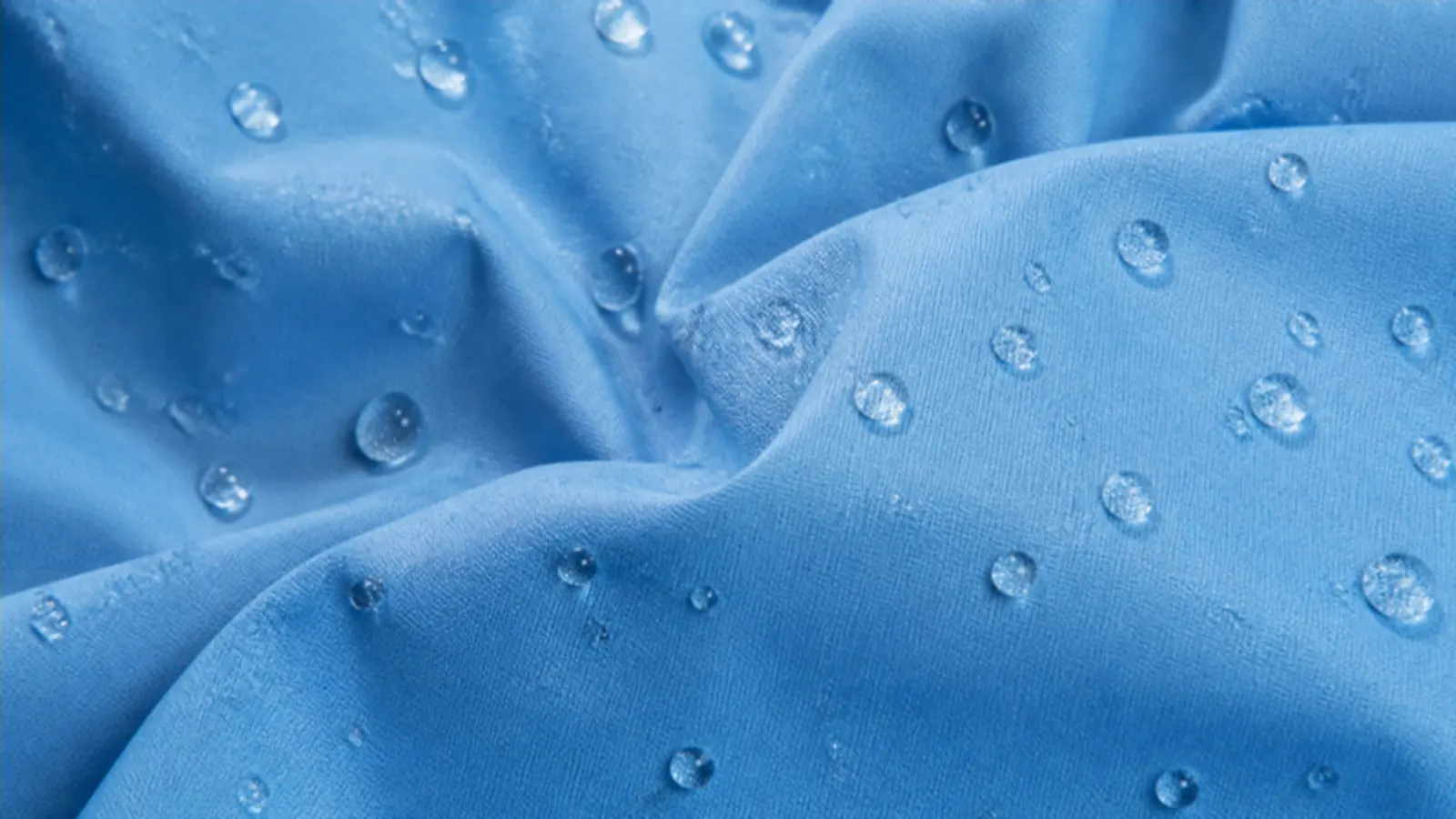
Water-Repellent Nylon
DWR finish makes water bead and roll off.
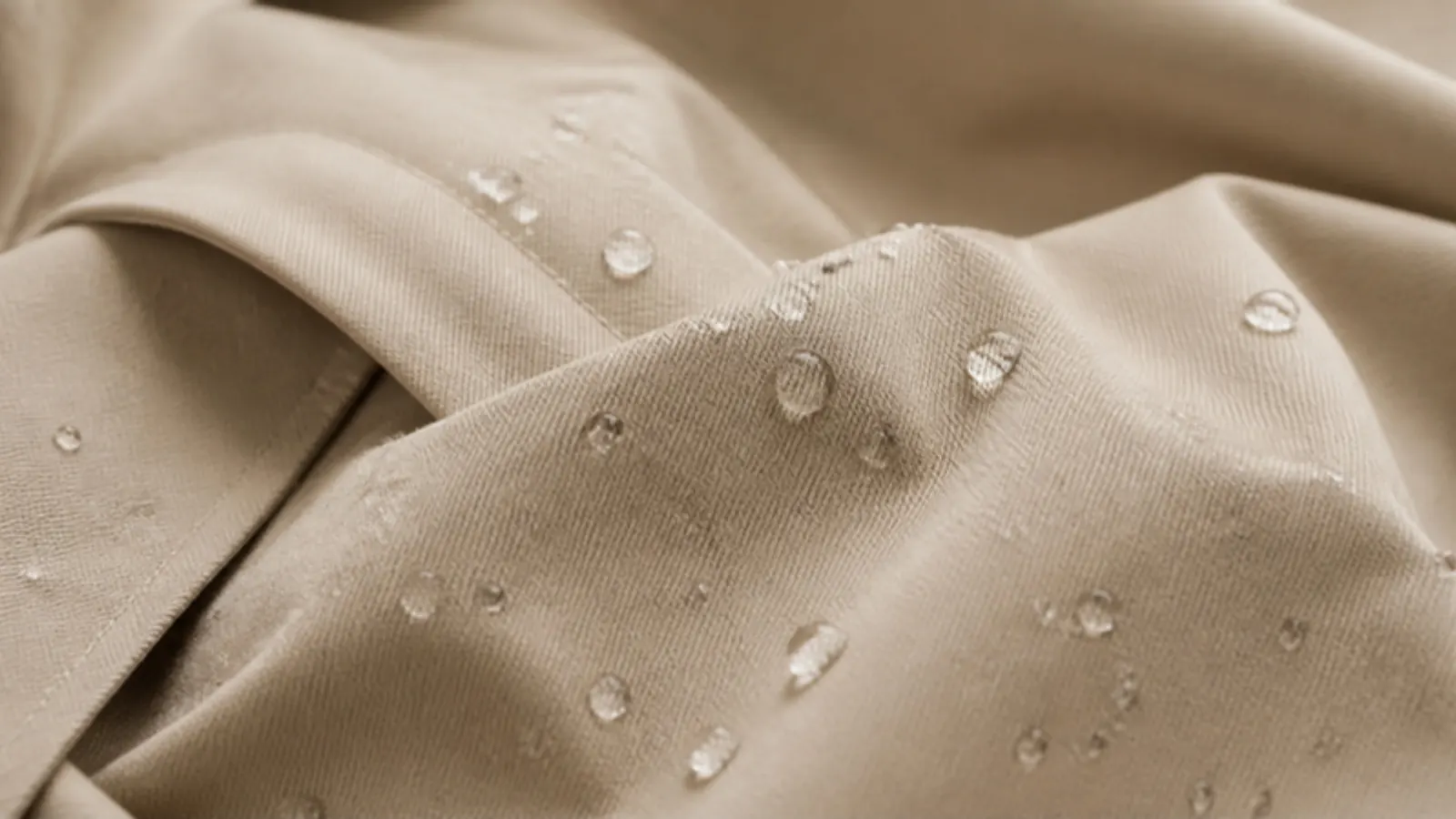
Water-Repellent Gabardine
Cotton or blended gabardine with a water-repellent finish.
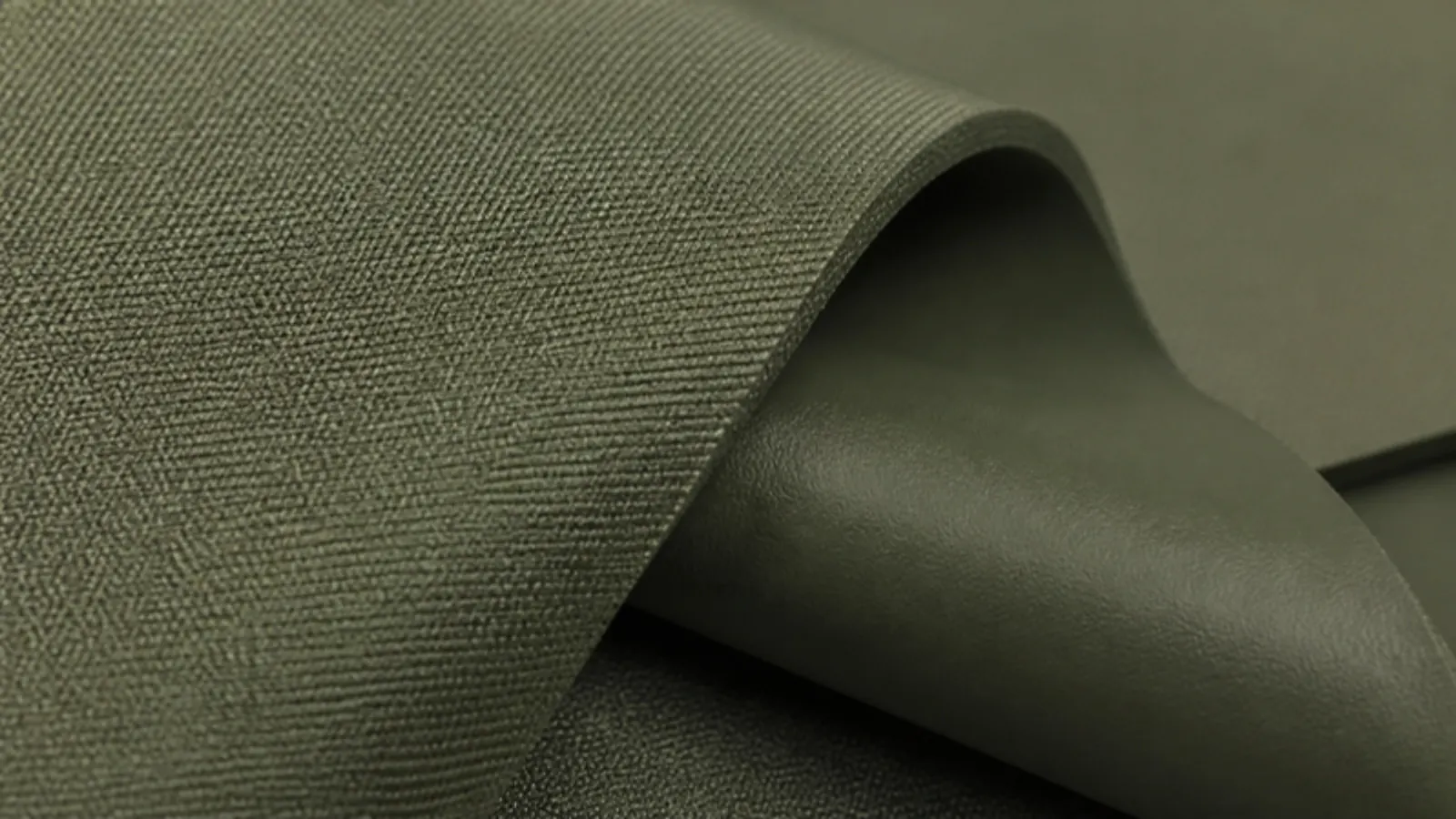
PU-Coated Nylon
Polyurethane coating on the back for waterproofing.
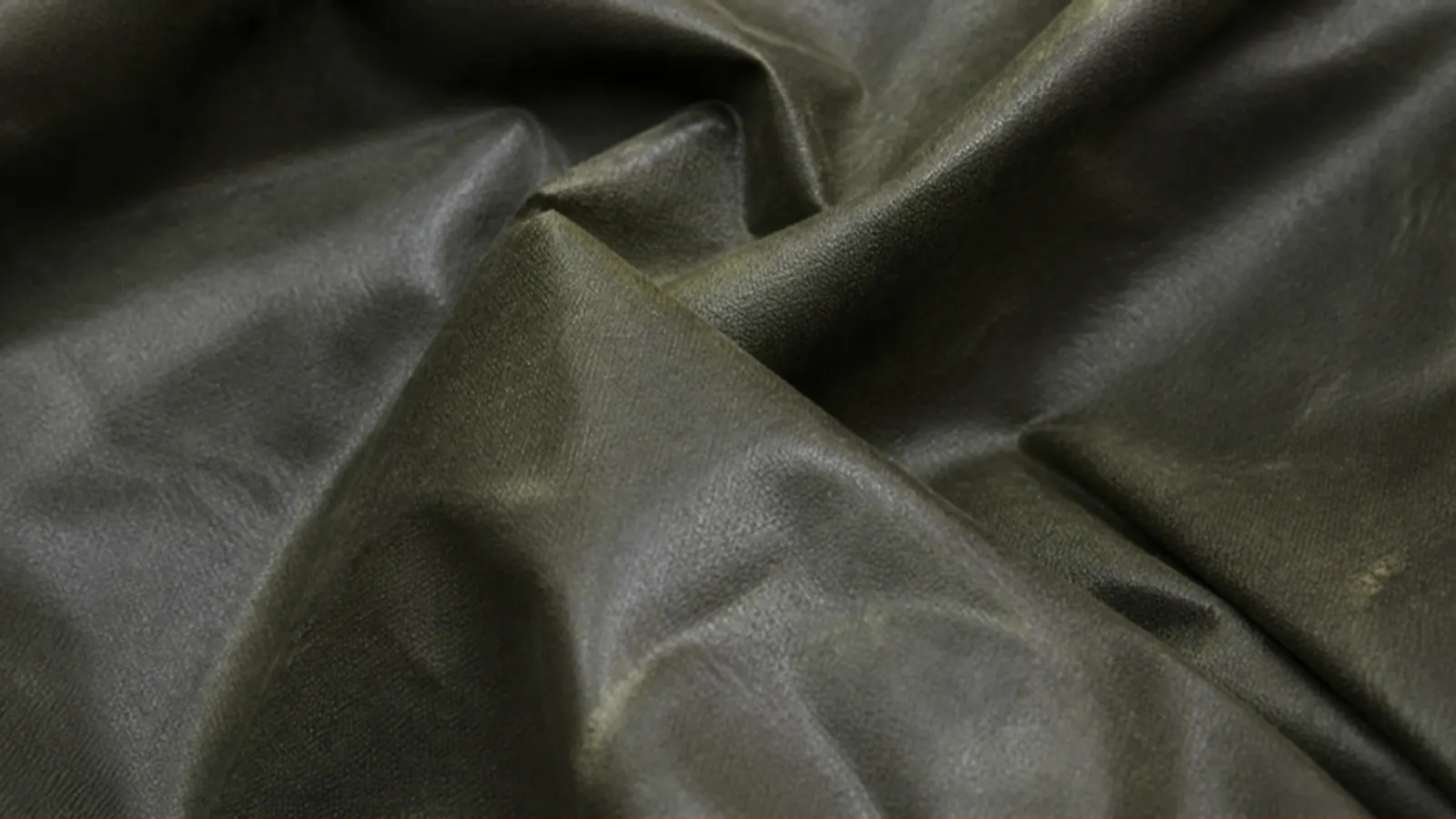
Waxed Cotton
Cotton impregnated with wax. Water-resistant with a worn-in patina.
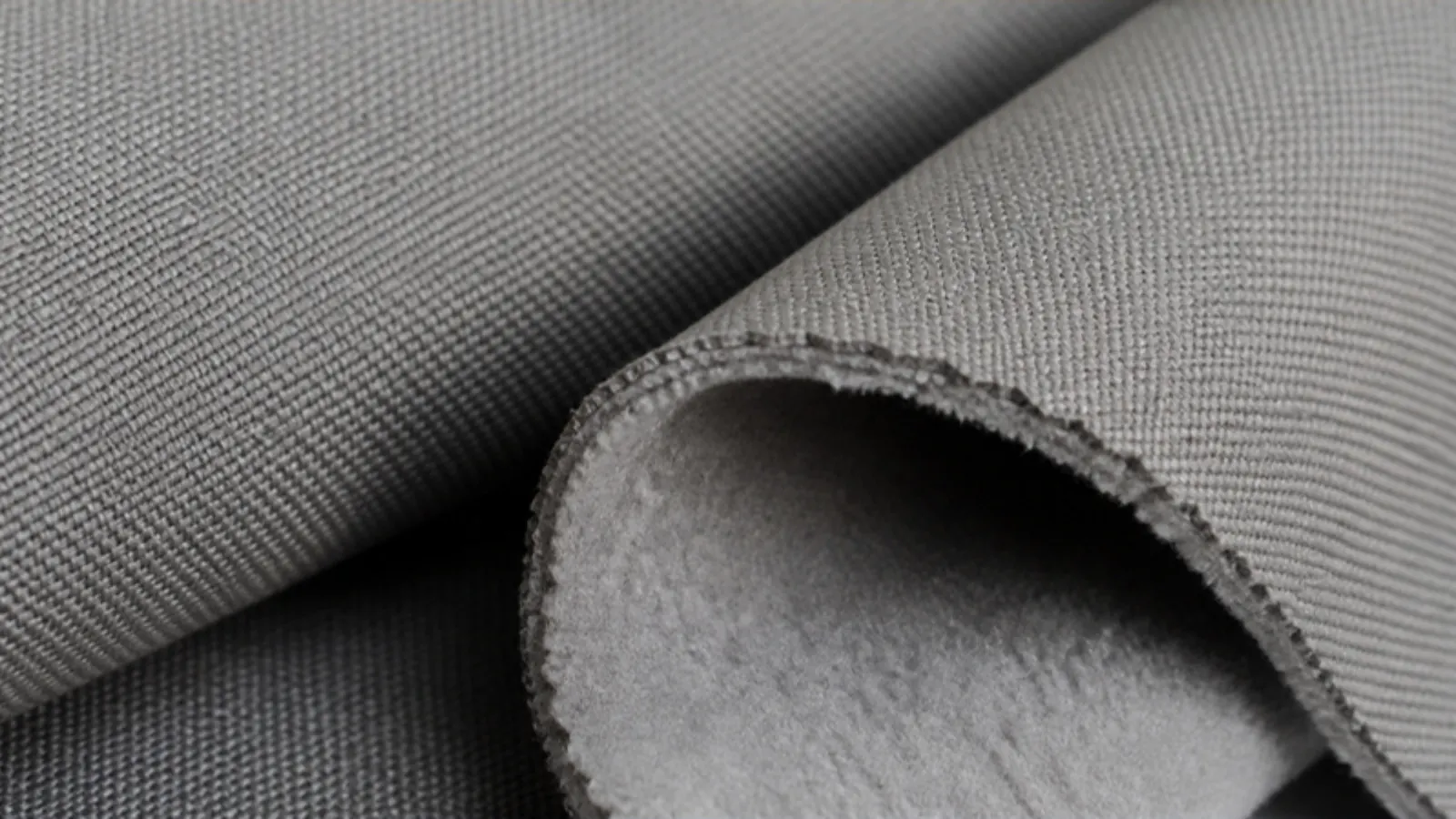
Bonded Fabric
Two fabrics laminated together, such as a woven face on a fleece back.
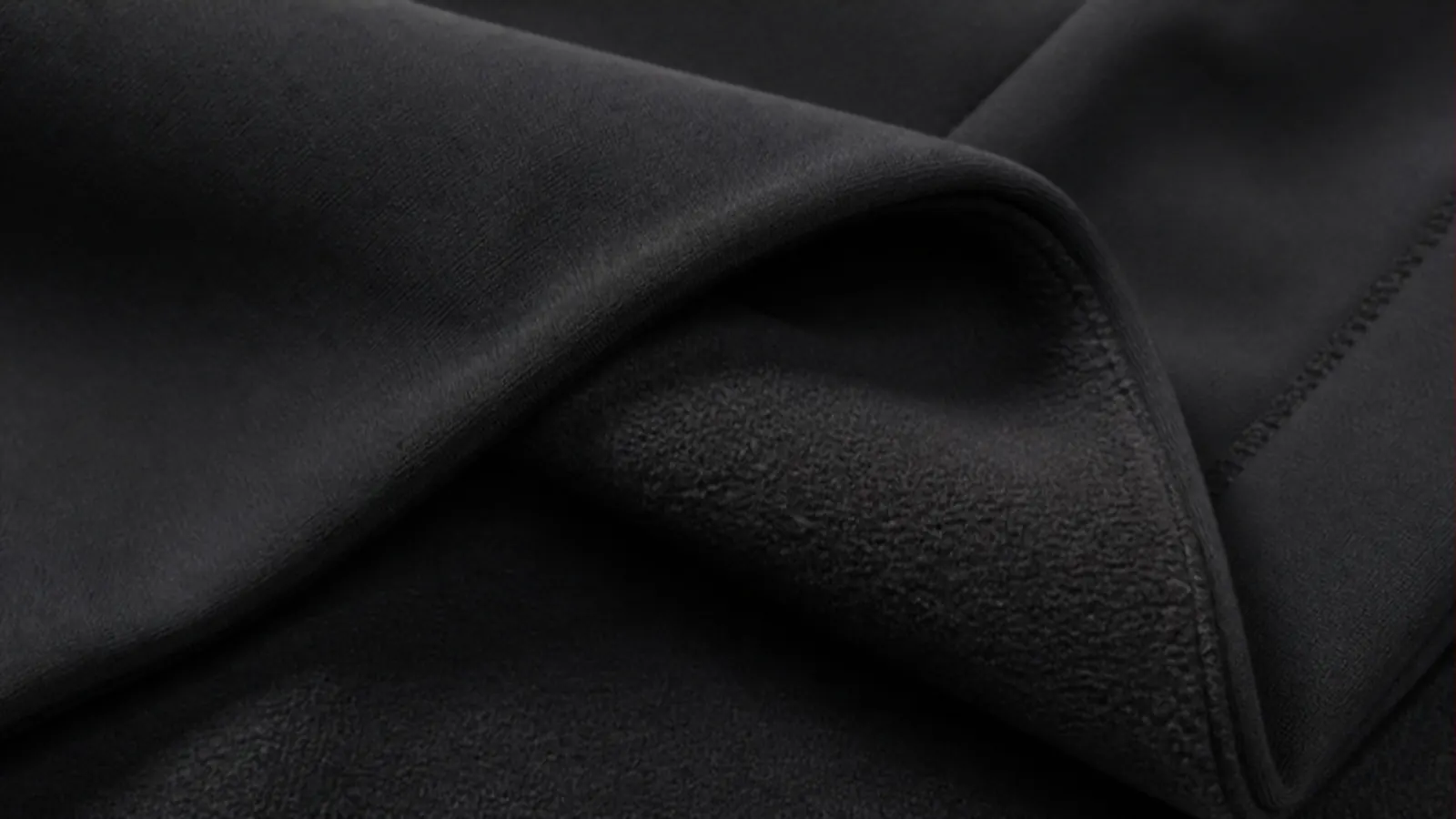
Softshell
Stretch woven face with a micro-fleece inside. Wind-resistant and breathable.
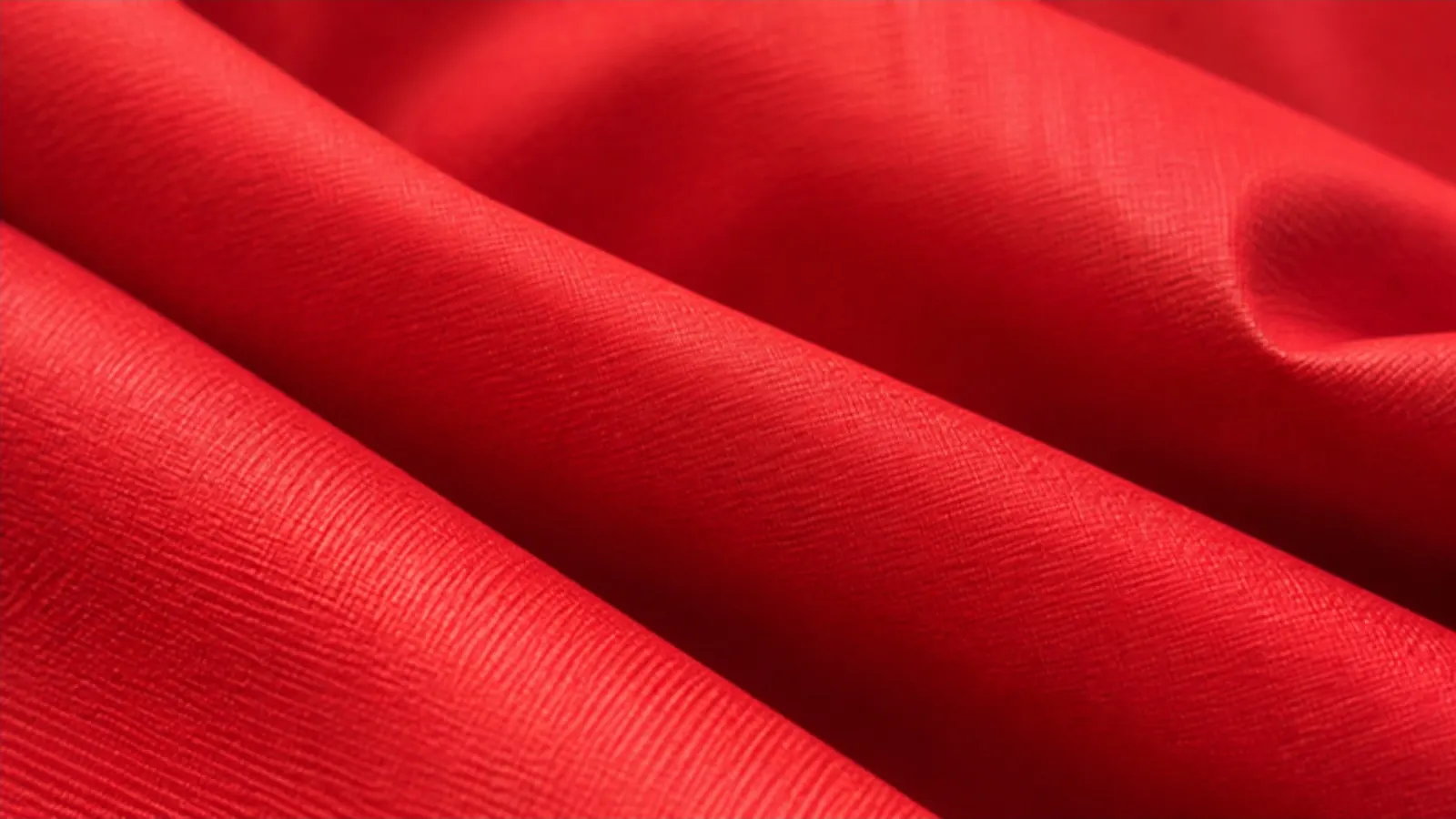
Windproof Woven
Dense weave or membrane that blocks wind.
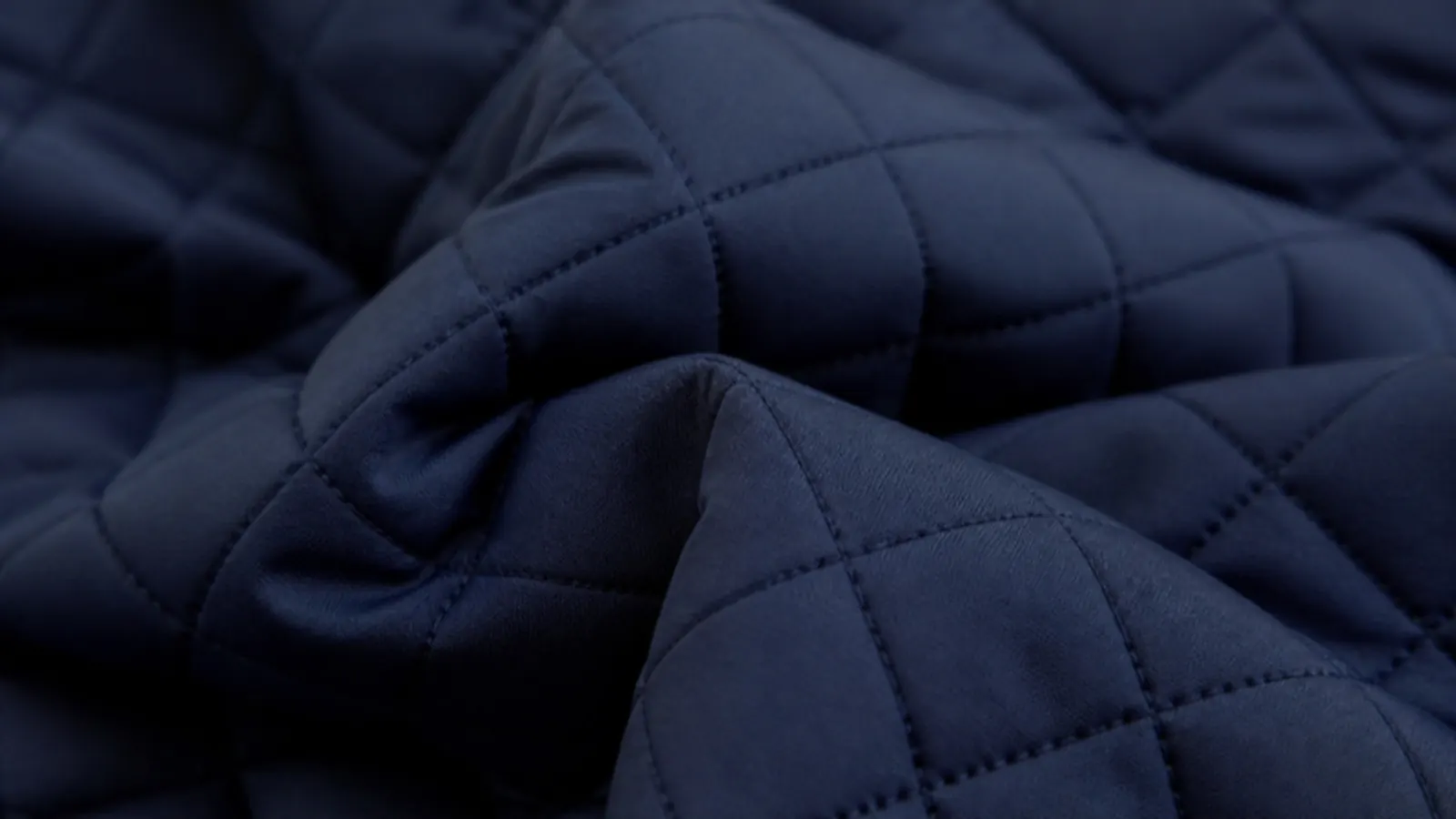
Quilted
Shell, padding and lining stitched together in a pattern.
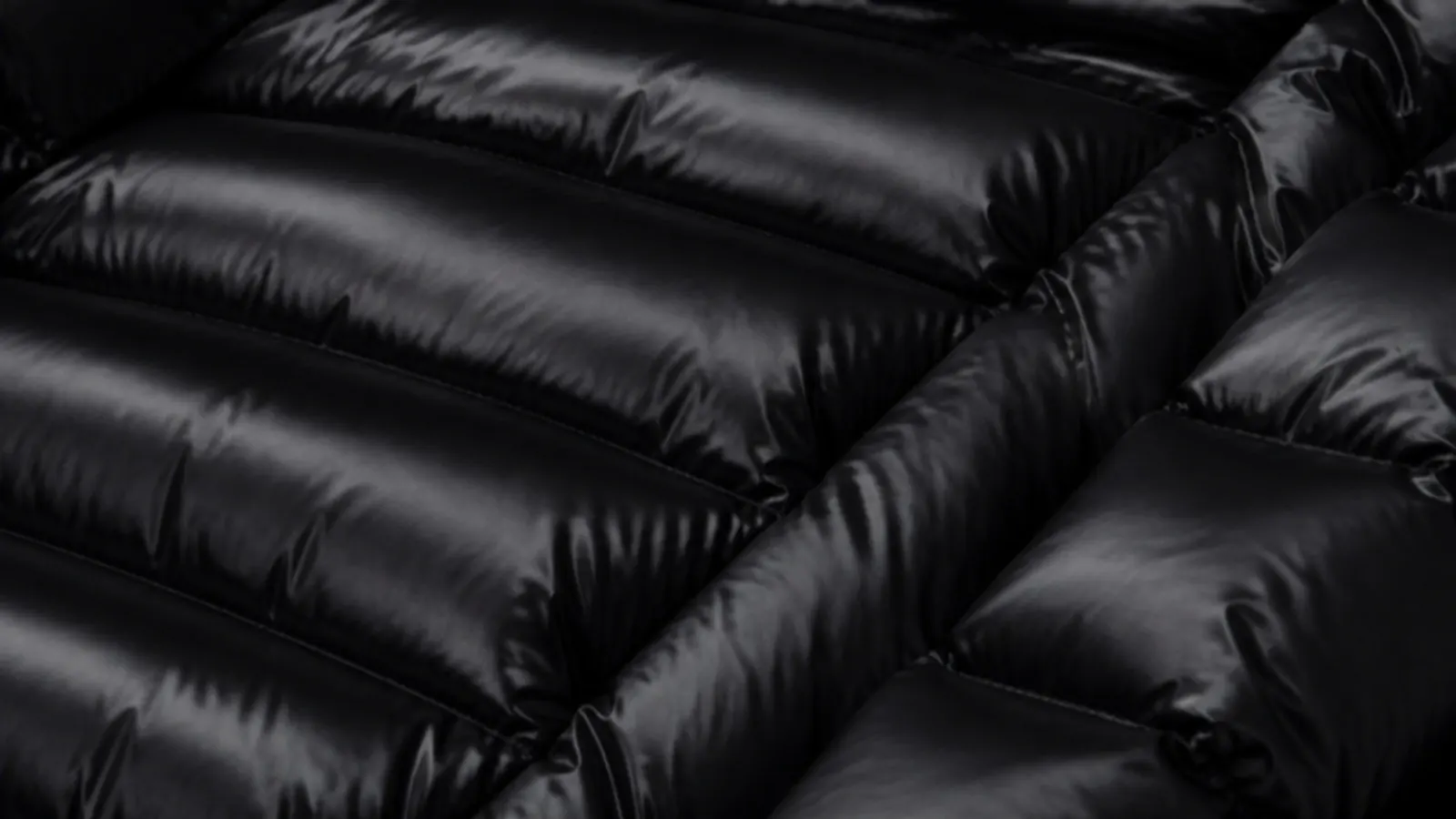
Puffer Shell
Baffled shell filled with down or synthetic insulation.
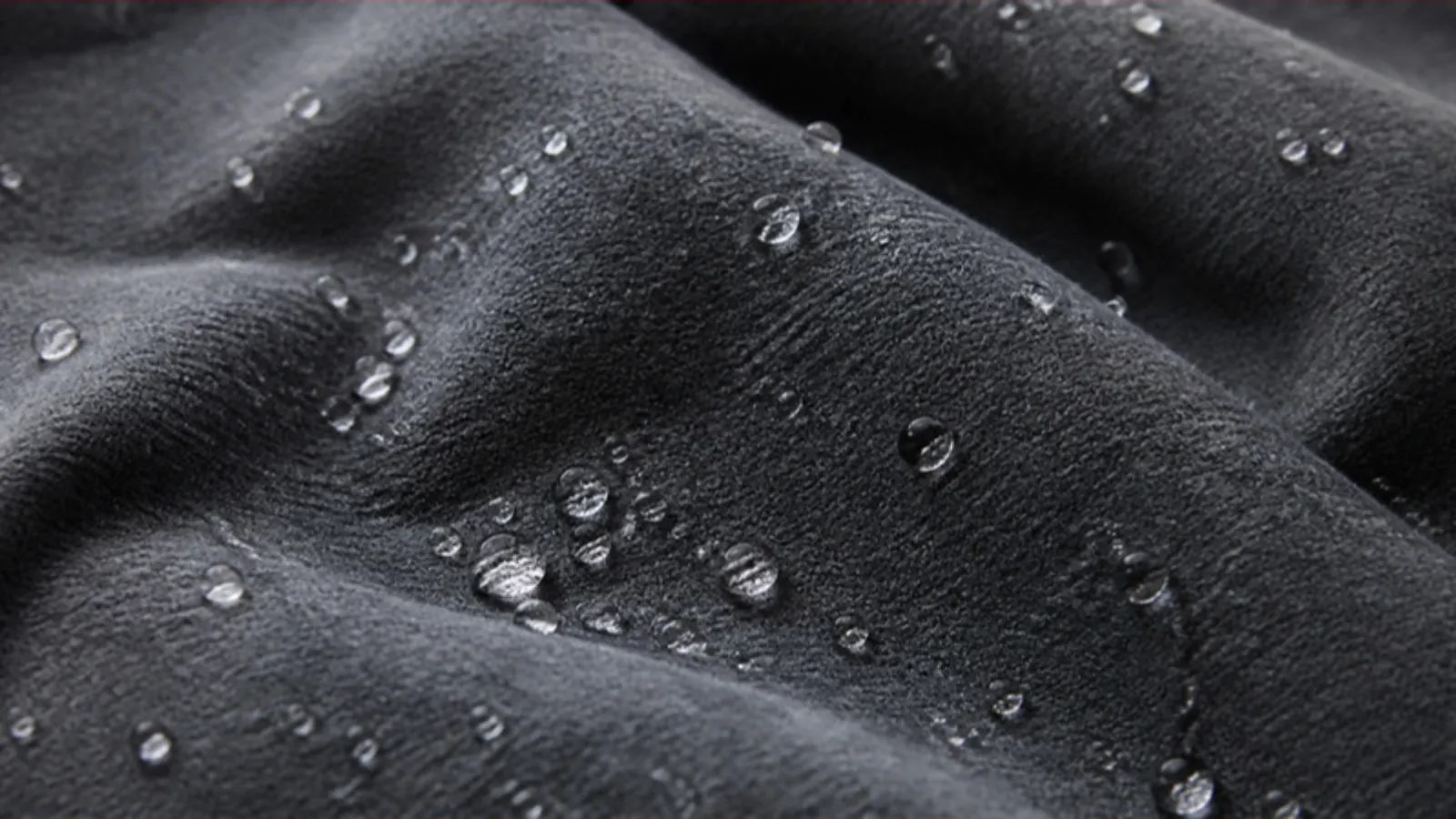
Technical Wool
Wool with a water-repellent finish.
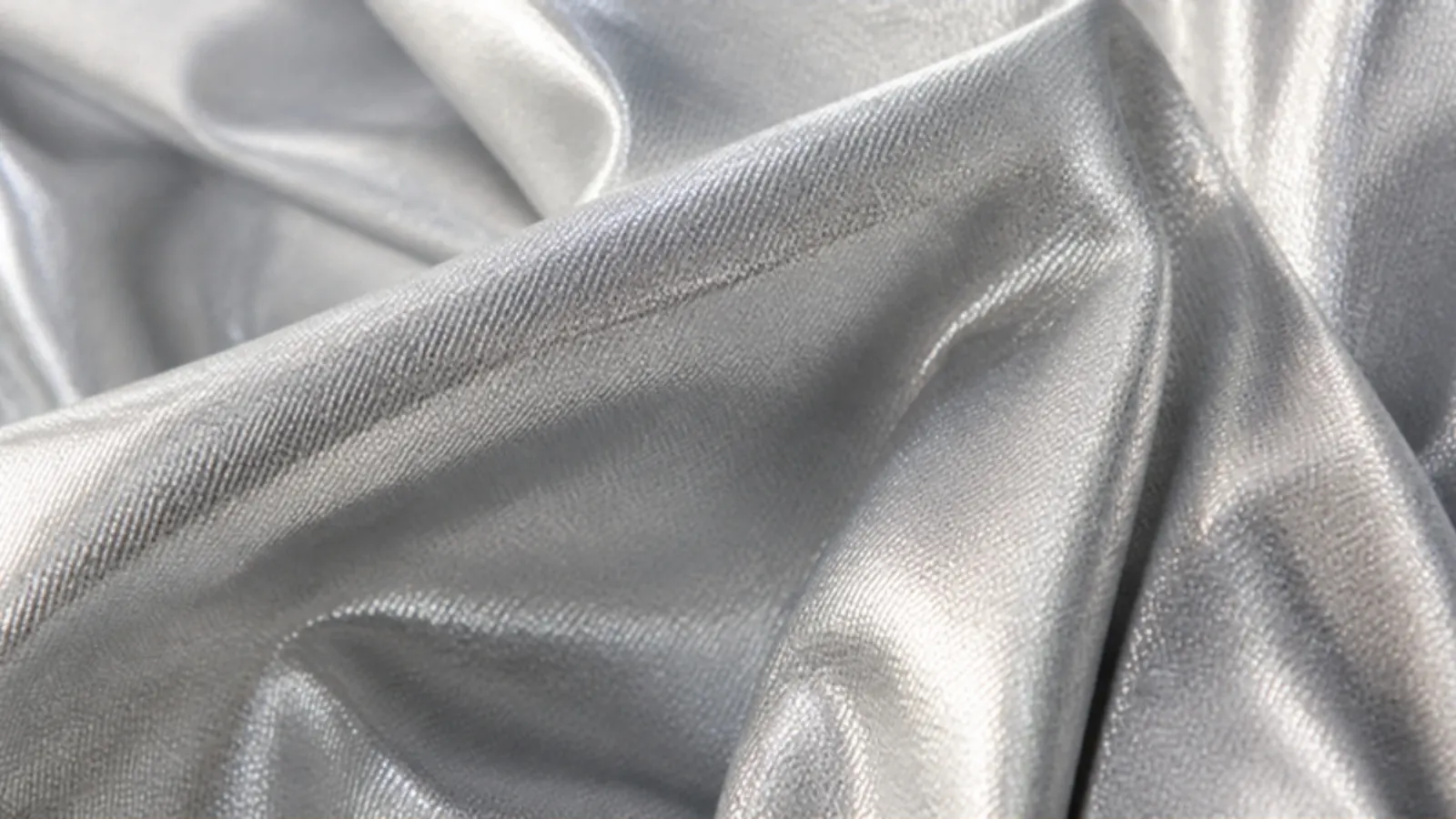
Reflective Fabric
Glass-bead or printed coating that reflects light for visibility.
Faux Leather, Suede and Specialty Fabrics
Some types of fabric for clothes are there to make a statement. Leather alternatives, pile, foam and sheer fabrics for statement pieces and details. We do not work with animal leather.
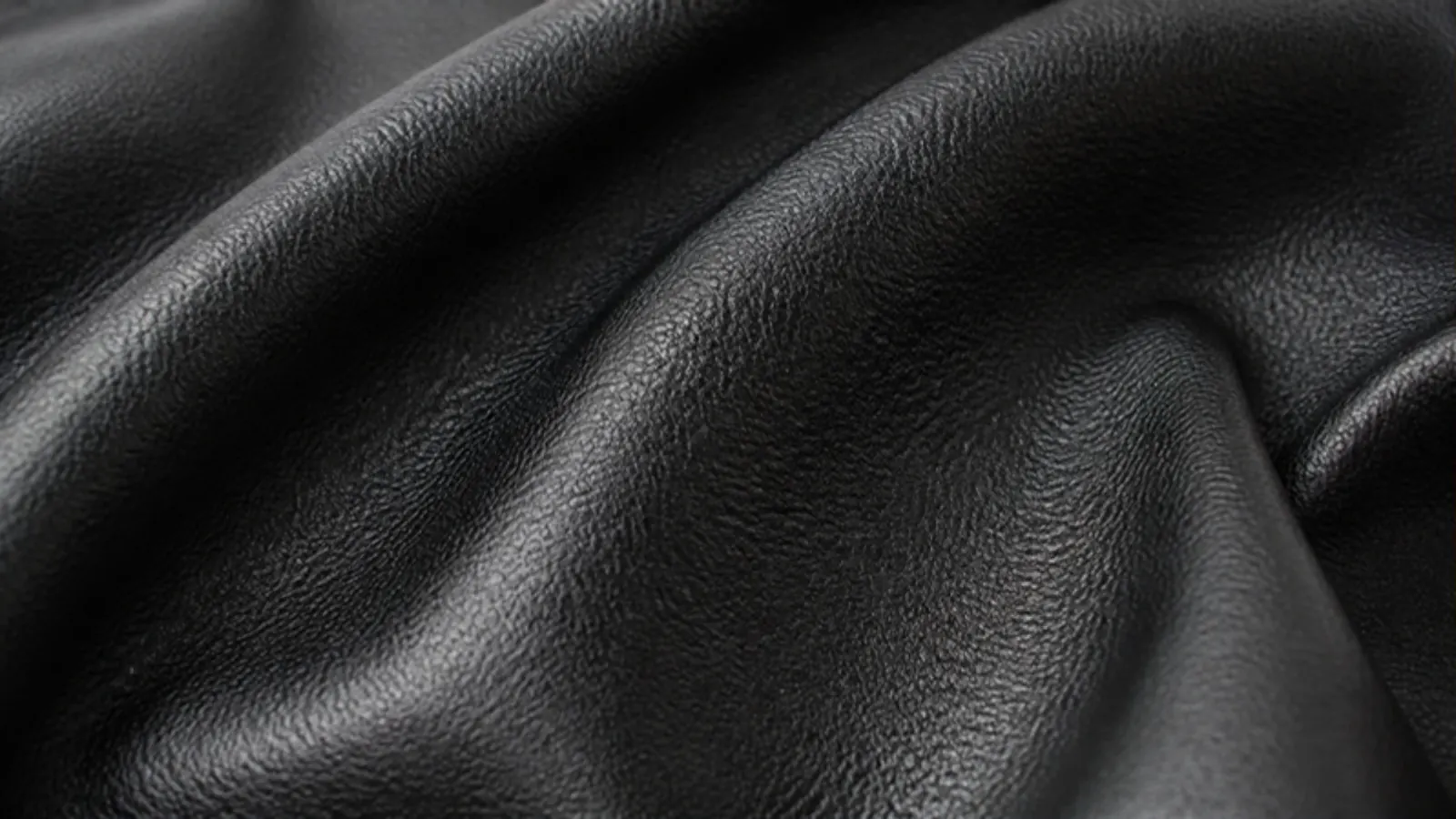
Faux Leather (PU)
Polyurethane on a knit or woven base with a leather-like grain.
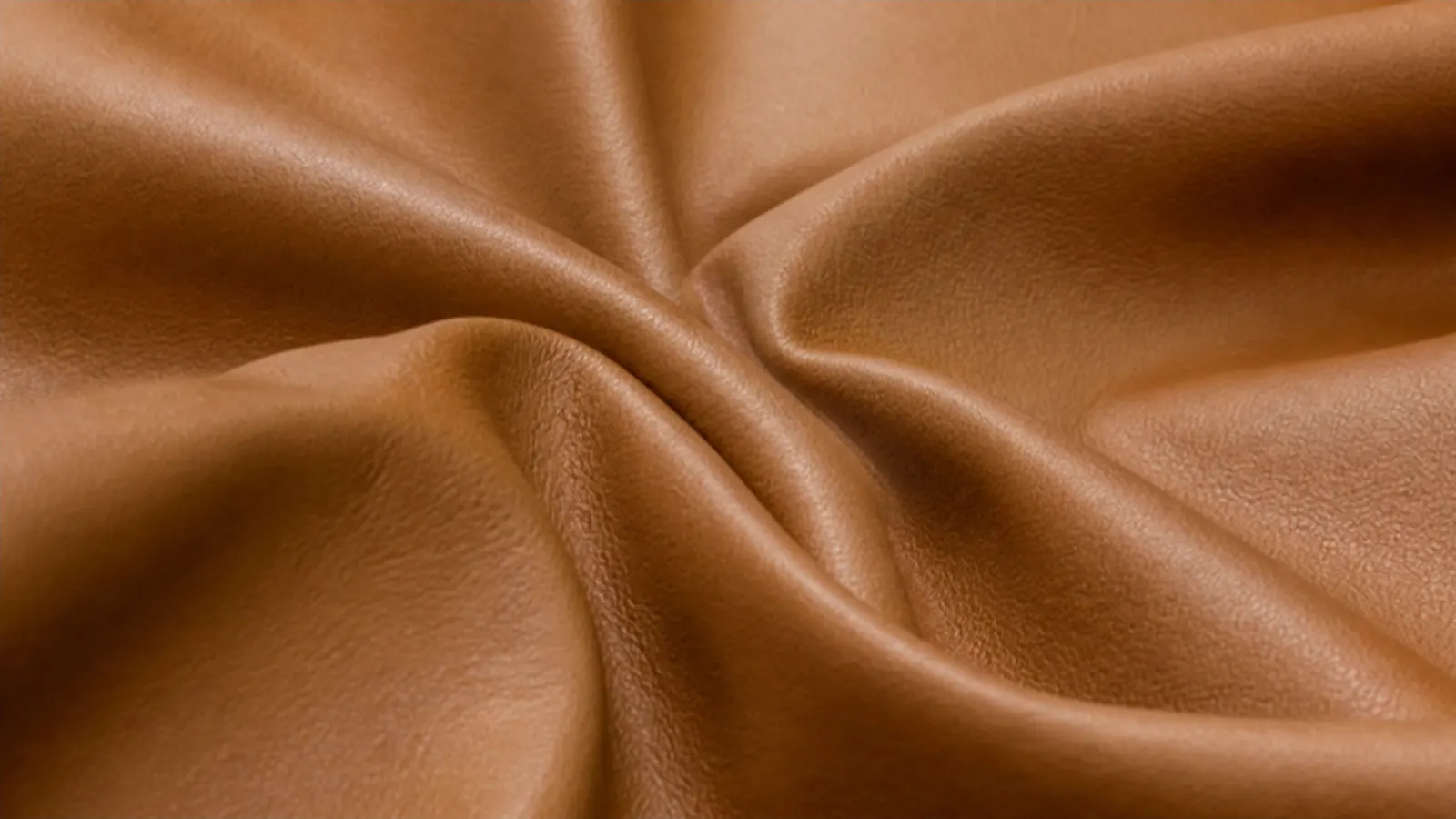
Bio-Based Vegan Leather
Leather alternative with plant-based content and a soft matte grain.
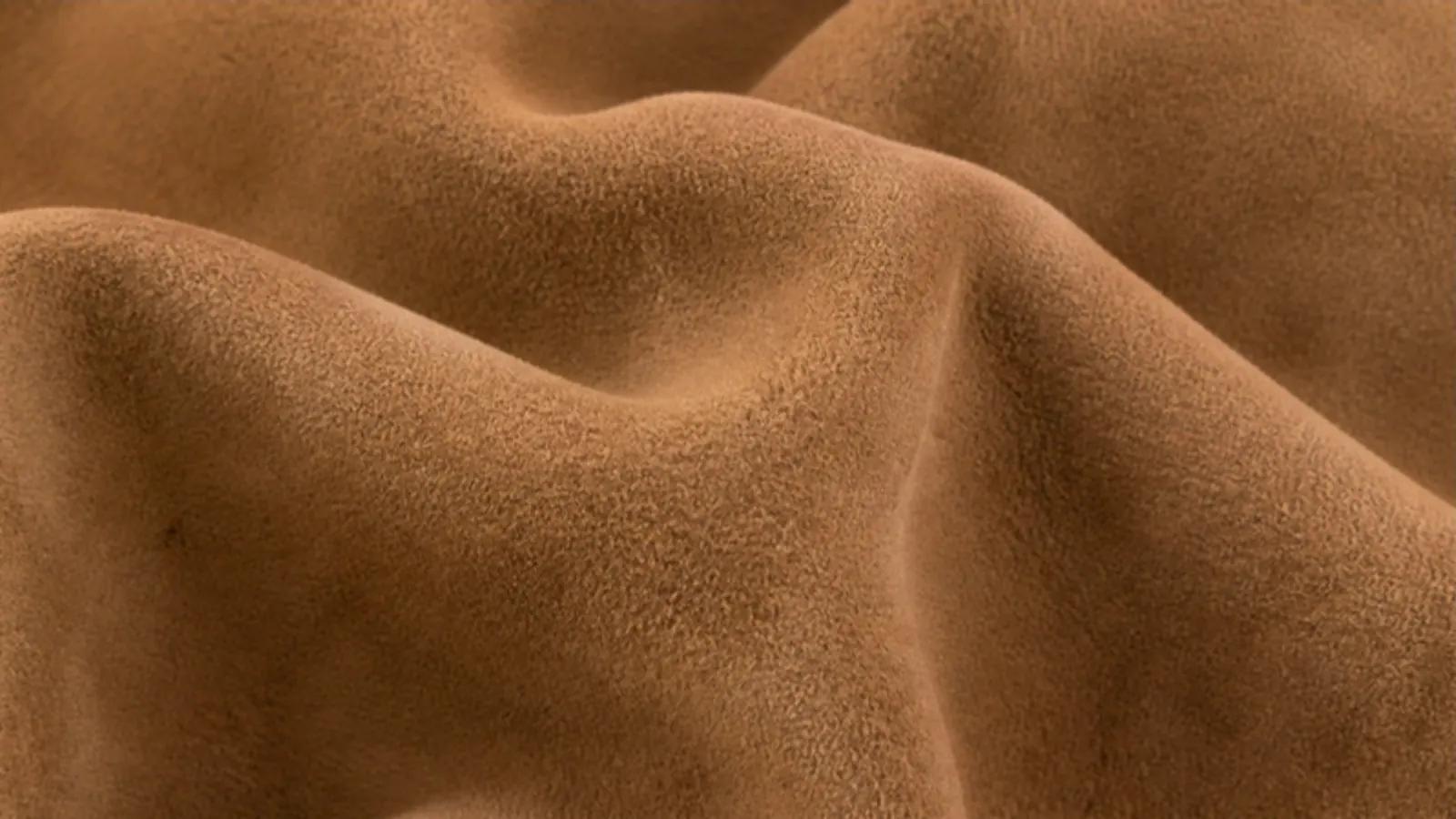
Faux Suede
Polyester microfibre with a soft brushed nap.
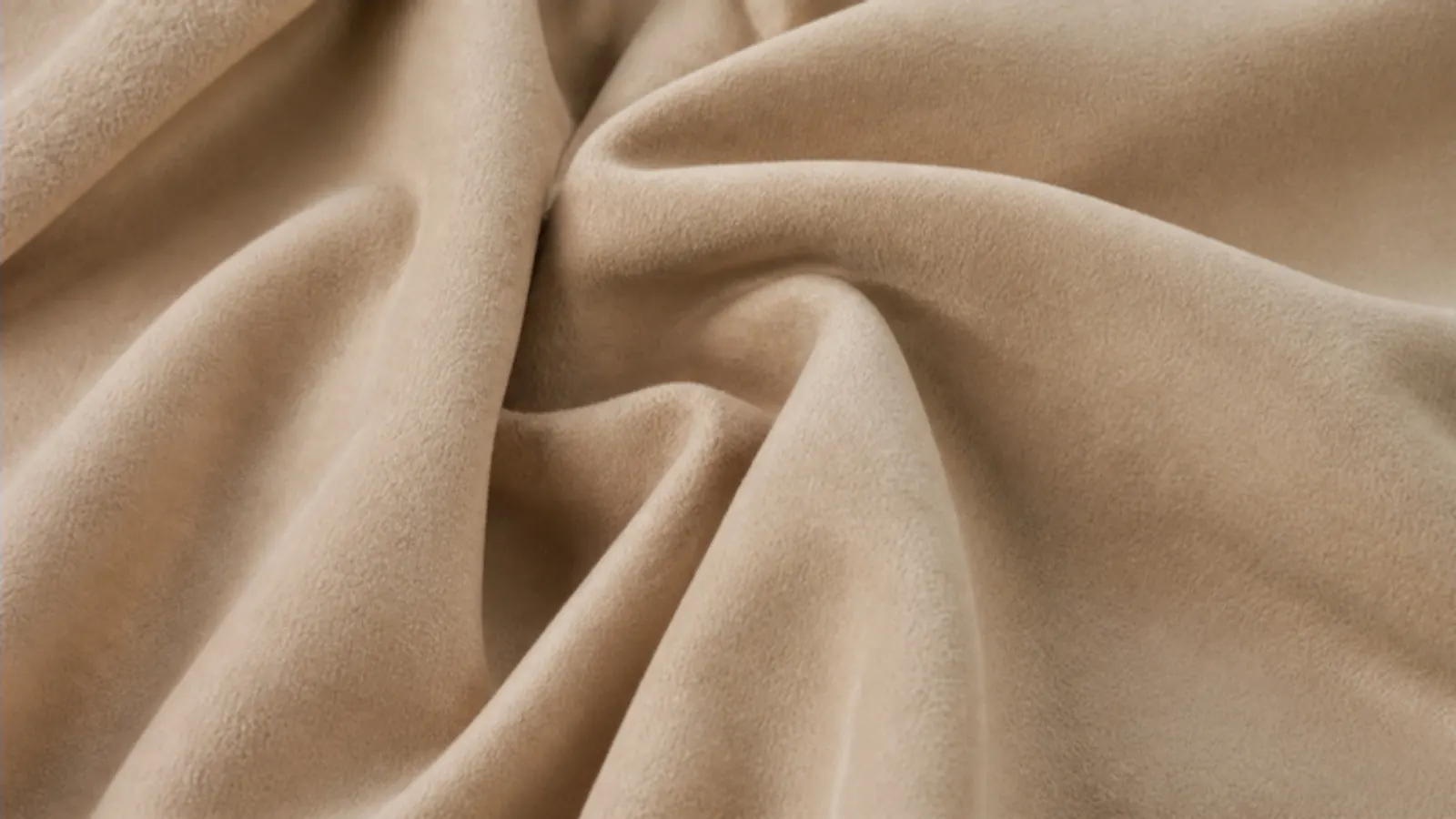
Scuba Suede
Stretch scuba with a suede-like surface.
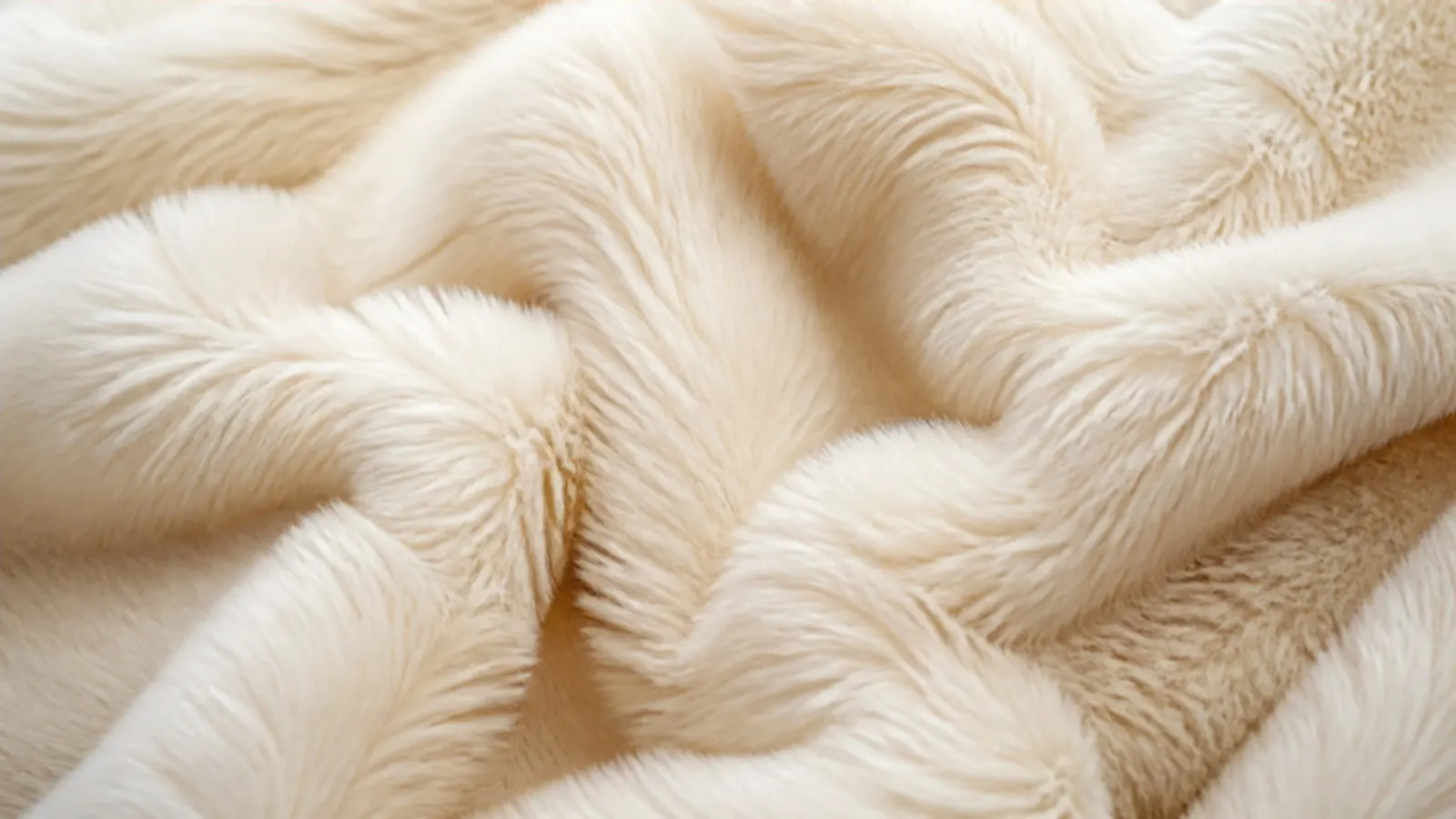
Faux Fur
Long synthetic pile that imitates fur.
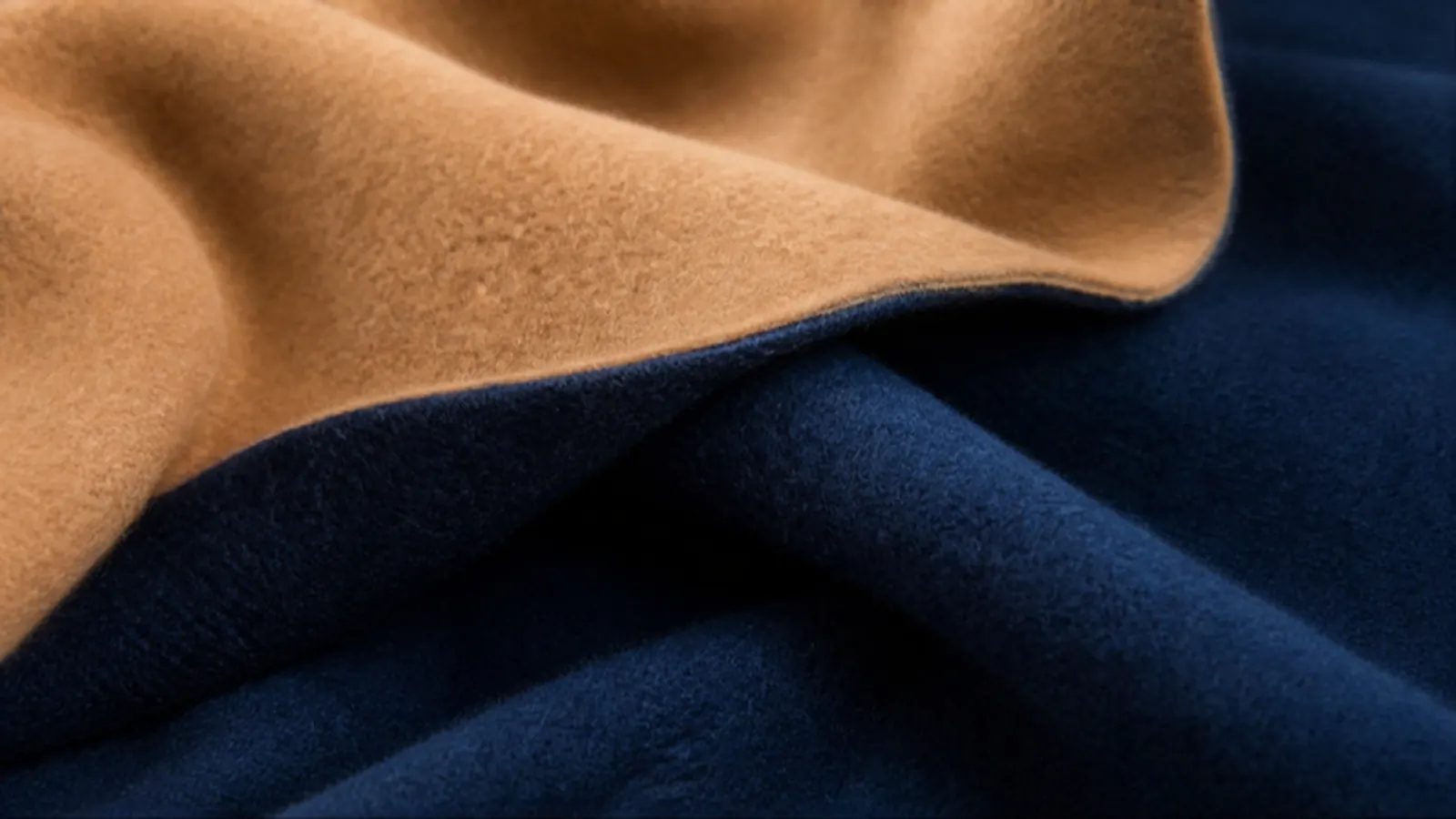
Double Face
Two fabrics woven together, so each side can face out.
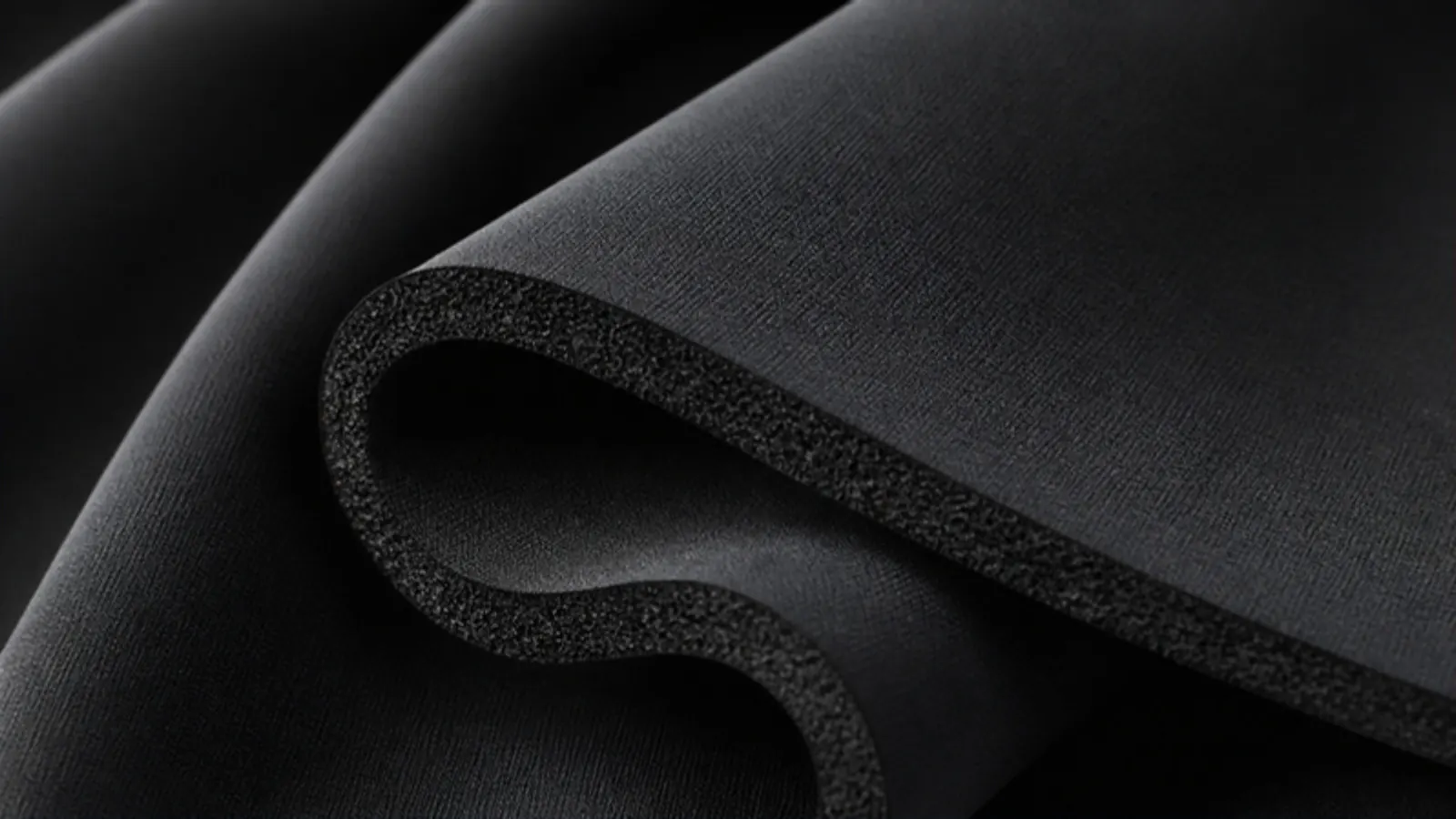
Neoprene
Foam core laminated between fabrics. Insulating and structured.
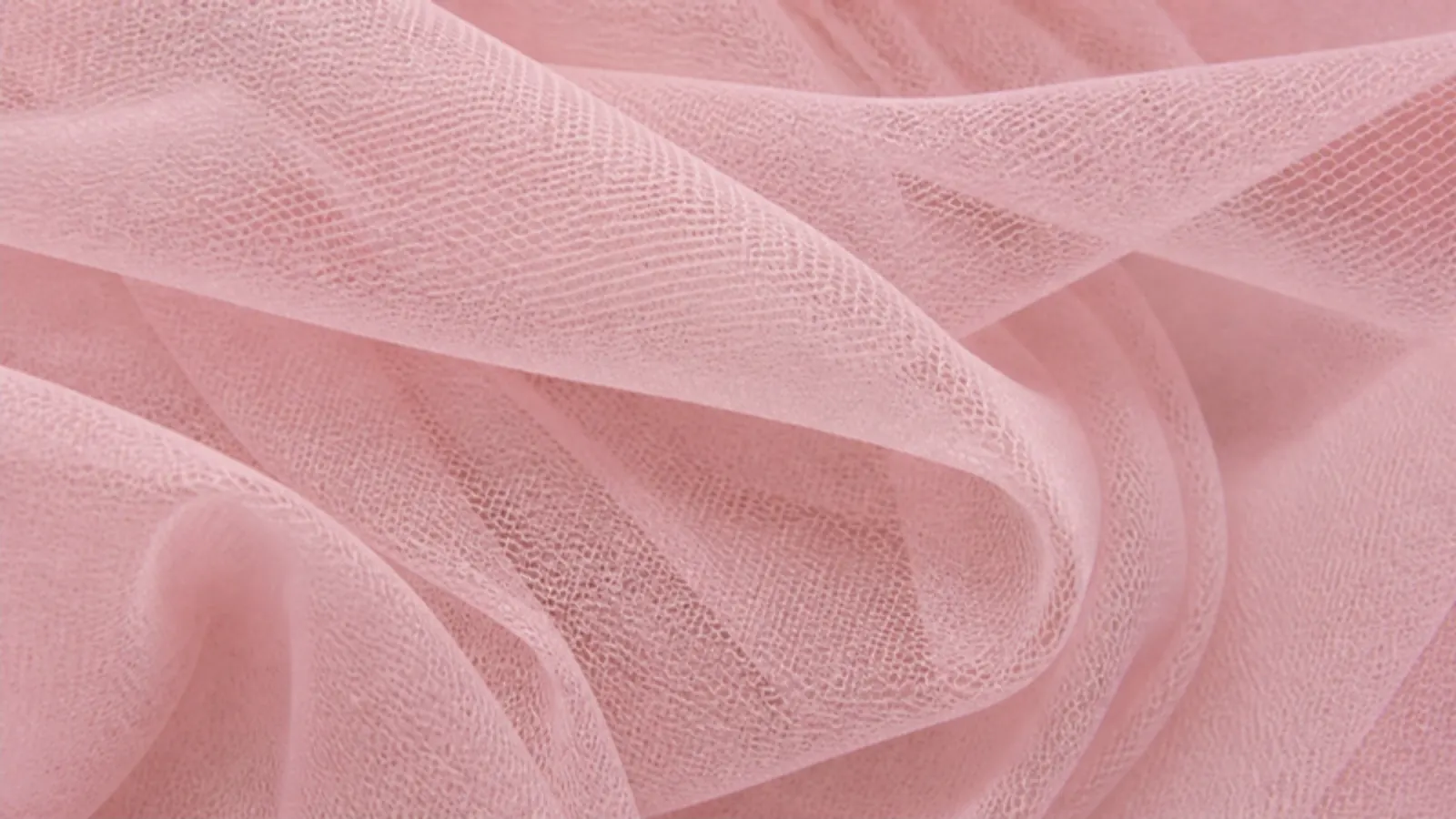
Tulle
Fine hexagonal net, soft or stiff.
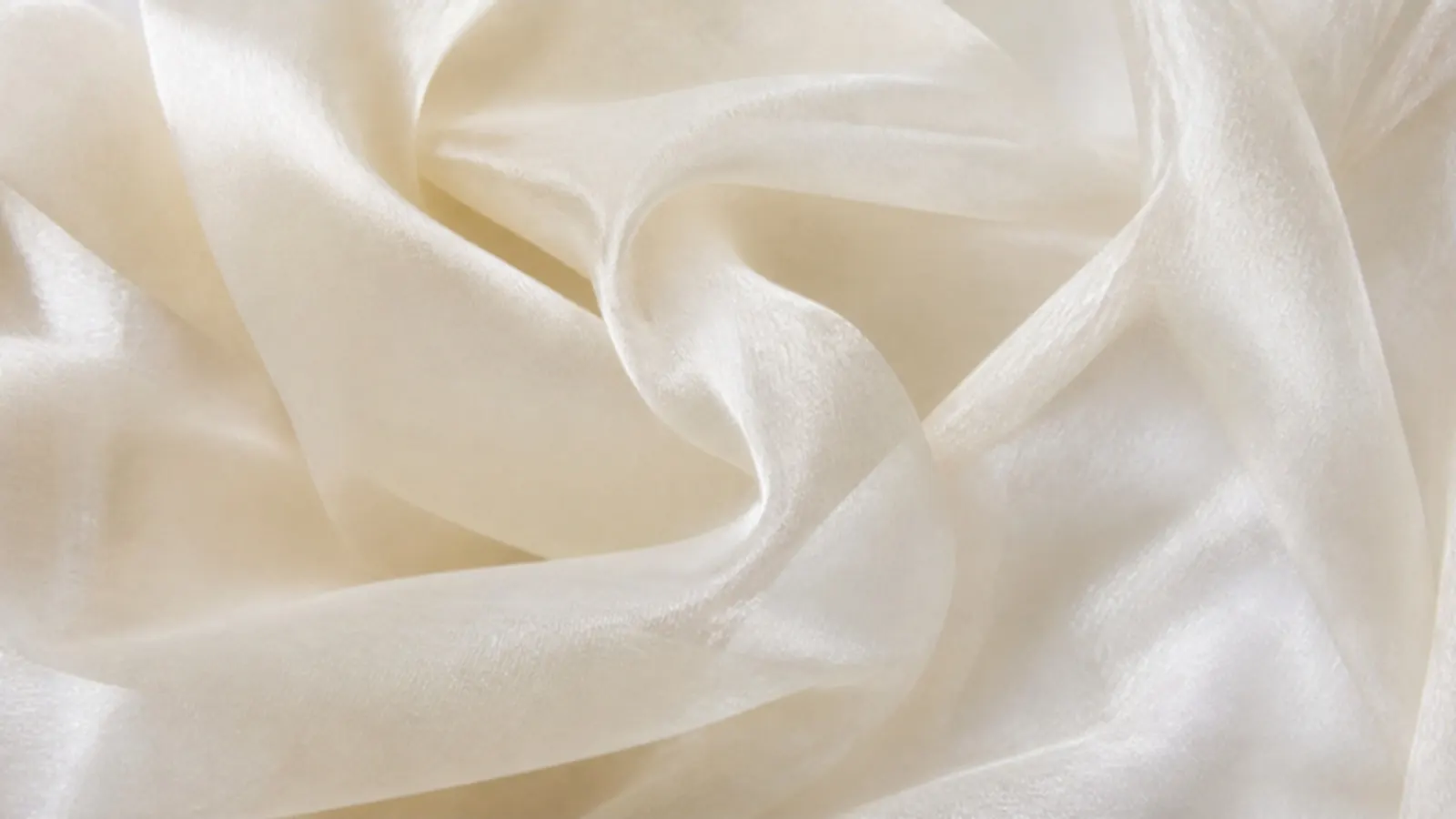
Organza
Sheer, crisp plain weave.
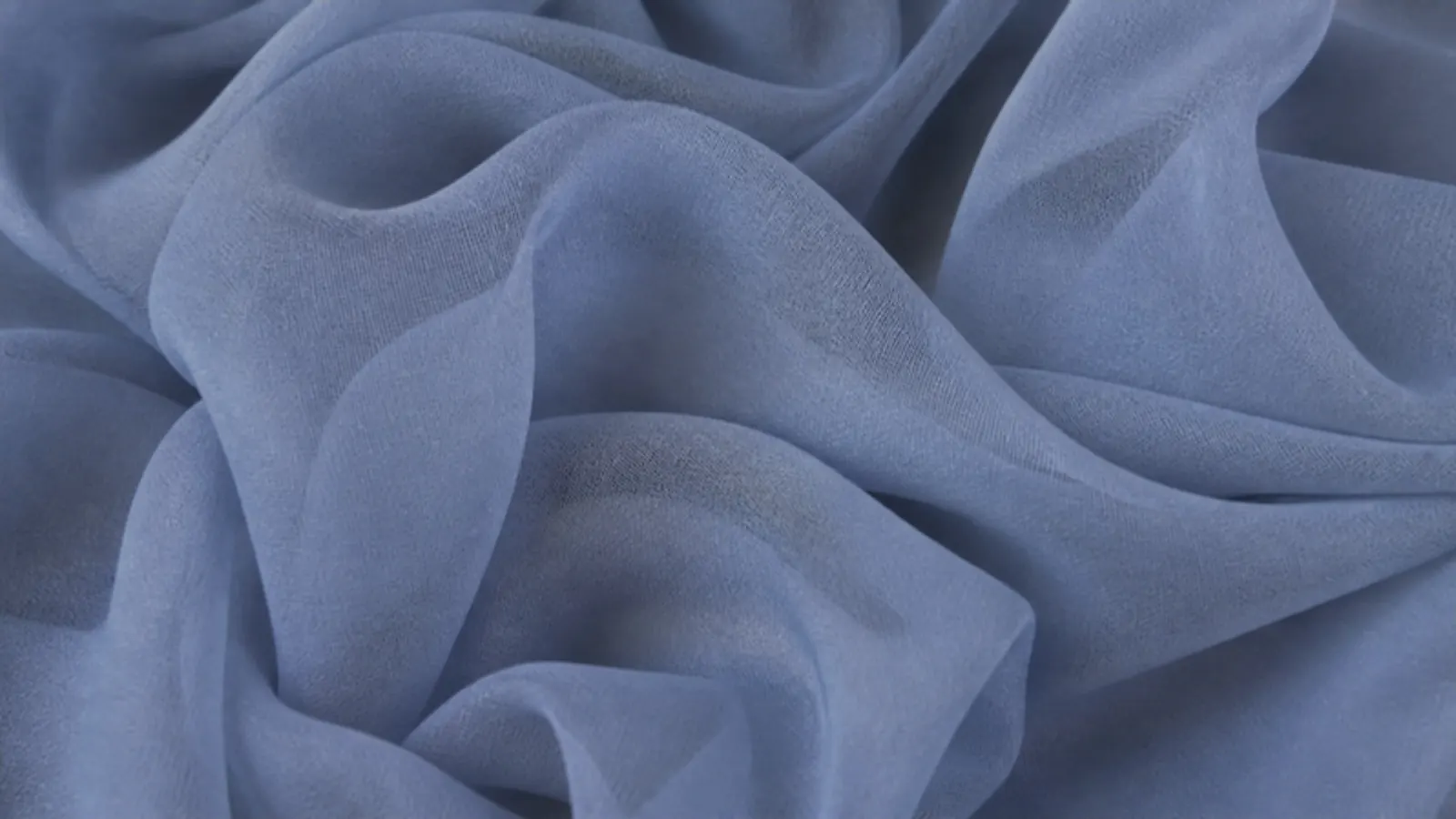
Chiffon / Georgette
Sheer, floating fabric with a slight crepe texture.
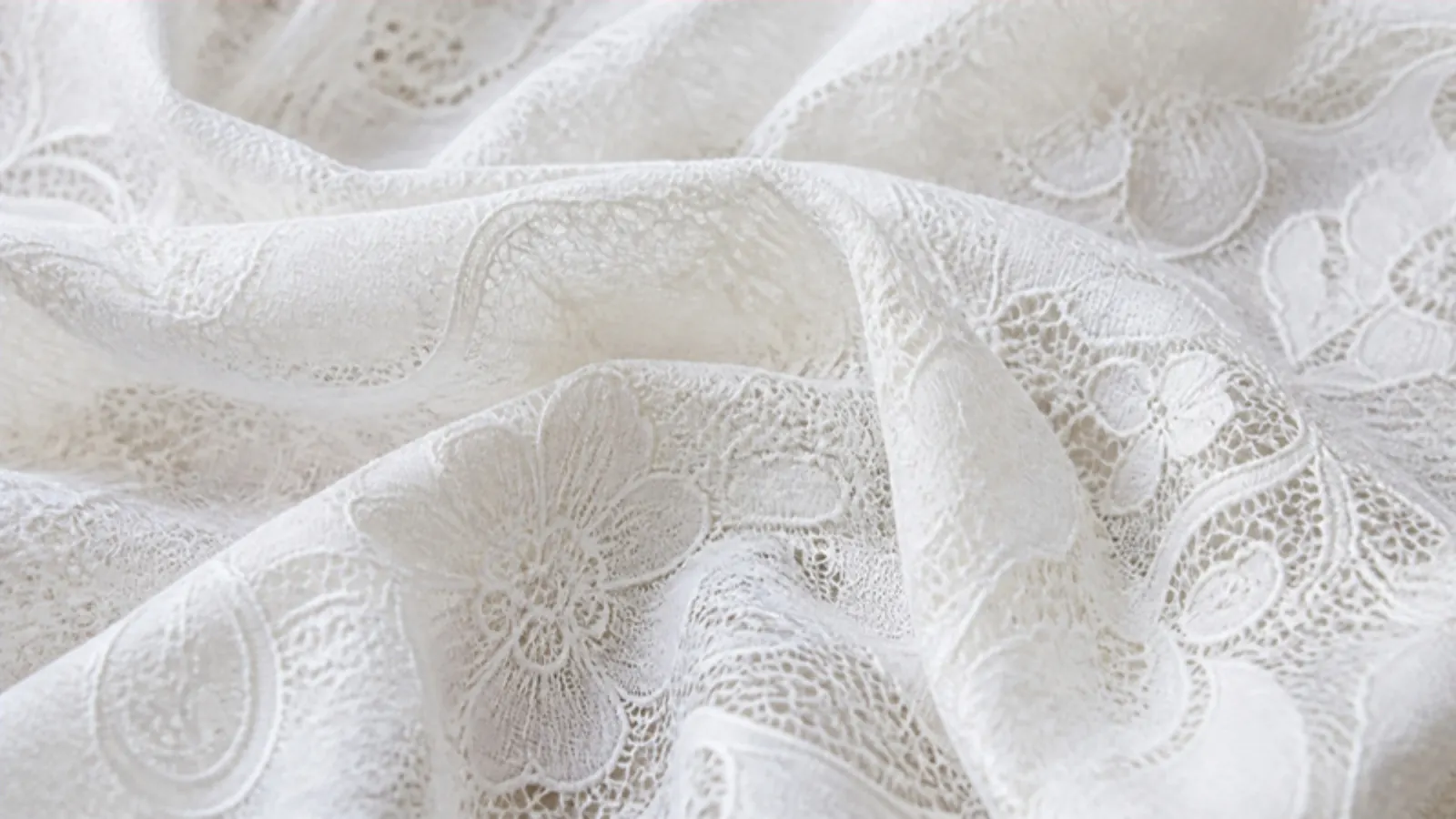
Lace
Openwork patterns, from floral to geometric.
A Fabric Library Made In-House, Not Sold by the Metre
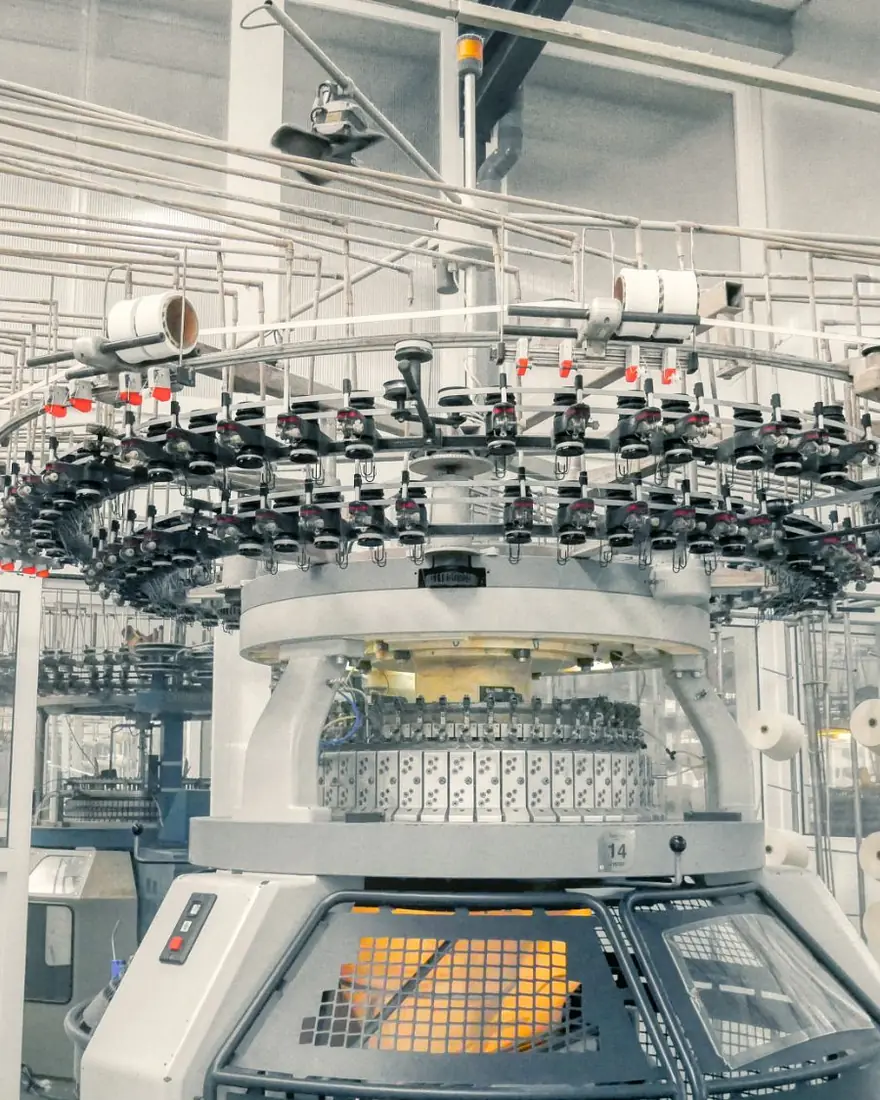
Every one of these types of fabric for clothes is made to become a garment, not to be sold by the roll. Our team handles each step from fibre to finishing in Portugal, from circular knitting to dyeing, working with premium yarns and technical fabrics from leading mills around the world.
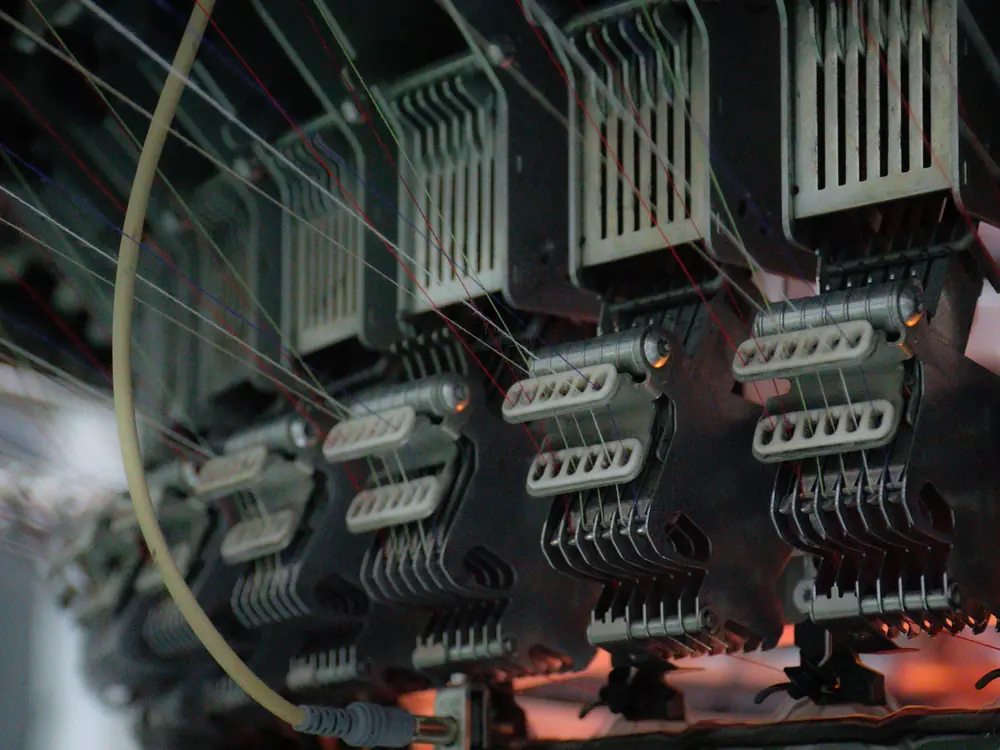
1. Yarn & fibre
Cotton, Pima, organic and recycled cotton, Tencel, merino, nylon and polyester. We pick the yarn for how the garment should feel and perform.
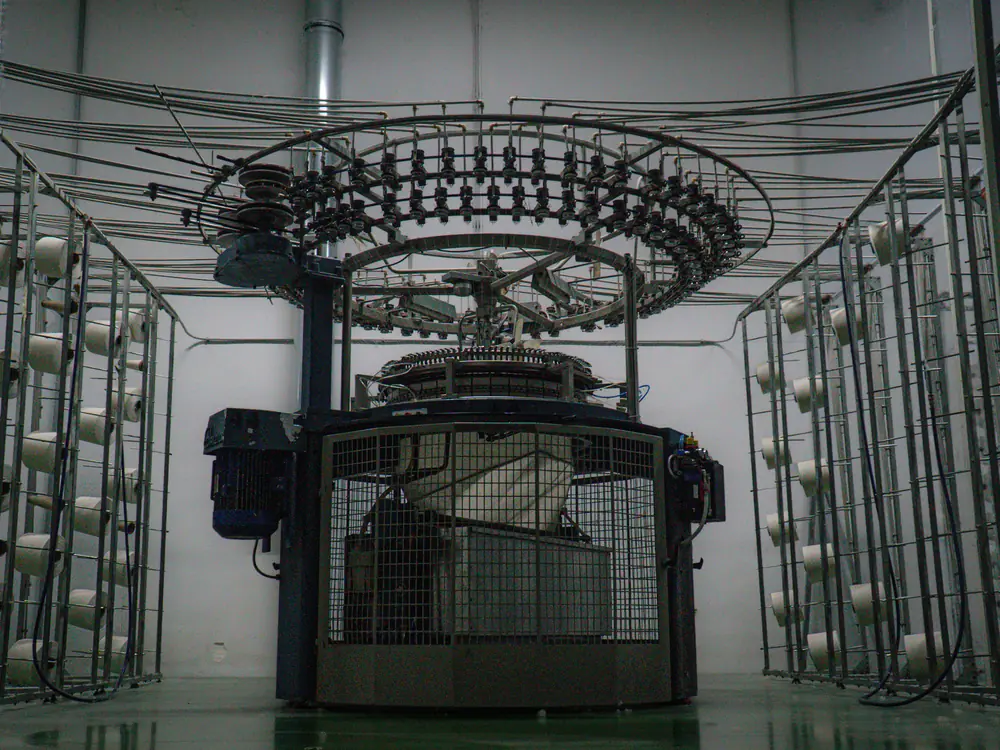
2. Knitting & weaving
Circular knitting for jersey, rib, fleece and performance knits. Woven fabrics for shirts, denim and outerwear.
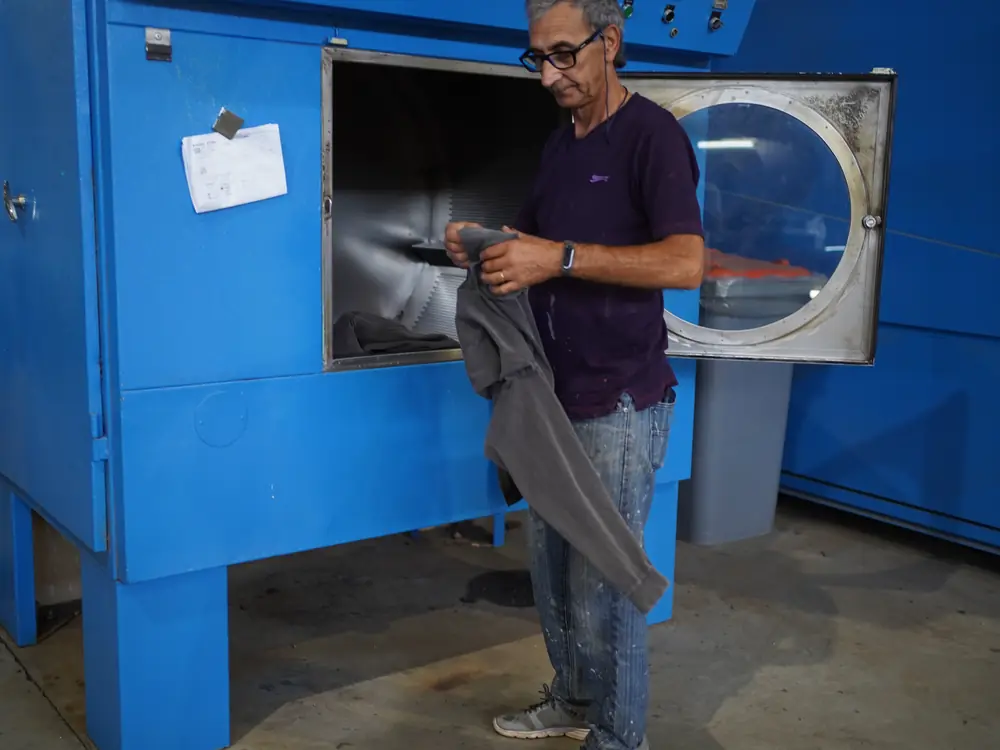
3. Dyeing & finishing
Colour to your Pantone, then brushing, peaching, washes or water-repellent finishes.
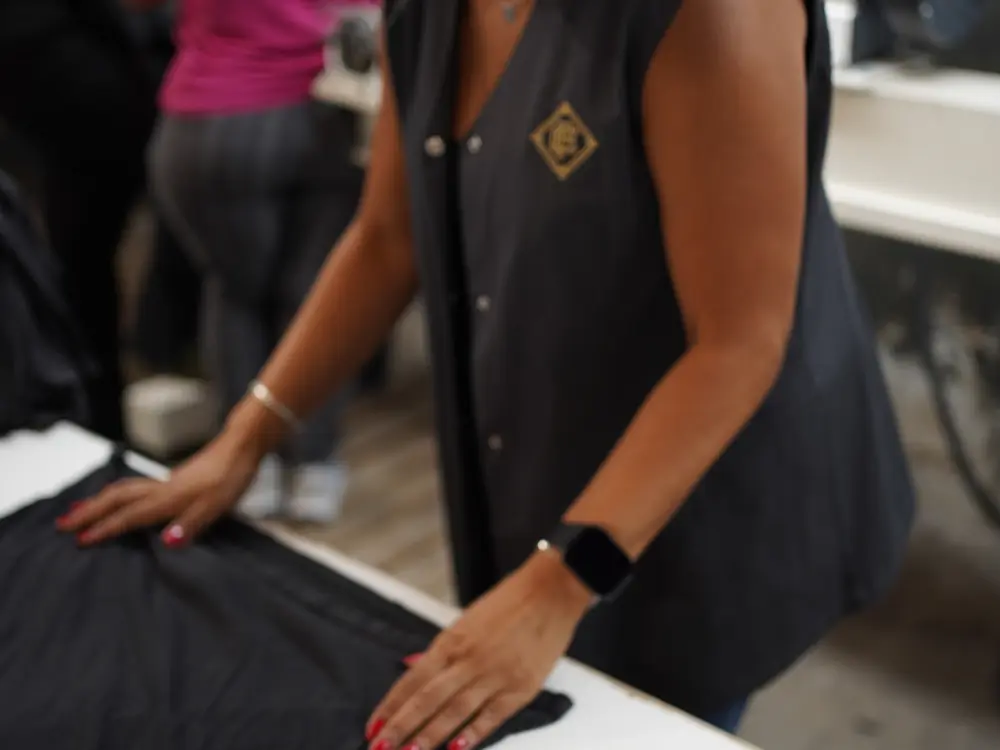
4. Cutting, sewing & QC
Your garments are cut, sewn and checked in the same network of factories.
Four Ways to Use Our Fabrics
Some fabrics are already in our blanks, and we add more each season. Others sit on our floor, ready to cut or ready to dye. Anything else we develop for your design.
Ready-made blanks
Jersey, heavyweight jersey, rib, piqué, French terry, fleece and performance stretch, already sewn into our wholesale blanks.
Fabric in stock
Finished fabrics we keep in stock, ready to cut and sew into your style.
Your colour
Undyed fabric in stock, dyed to your Pantone before cutting.
Full development
Any fabric on this page, or a new one, developed for your garment from the yarn up.
What Is GSM? Fabric Weight Chart
Weight changes a lot between types of fabric for clothes. GSM means grams per square metre: the higher the number, the heavier the fabric. Denim is still sold in ounces per square yard, and 1 oz is about 34 gsm. A heavier fabric is not always a better one. Pick the weight for the garment and the season, then the fibre for how it should feel.
| Garment | GSM | Ounces |
|---|---|---|
| Lightweight T-shirt | 140–170 | 4–5 oz |
| Standard T-shirt | 180–220 | 5.3–6.5 oz |
| Heavyweight / boxy tee | 240–320 | 7–9.4 oz |
| Shirt | 100–160 | 3–4.7 oz |
| Leggings | 200–280 | 5.9–8.3 oz |
| Hoodie, French terry | 280–350 | 8.3–10.3 oz |
| Hoodie, heavyweight fleece | 450–650 | 13–19 oz |
| Jeans | 410–475 | 12–14 oz |
| Raw / heavy denim | 540–680 | 16–20 oz |
Types of Fabric for Clothes: FAQ
Q: What are the main types of fabric for clothes?
A: The types of fabric for clothes are either knitted or woven. Knits (jersey, rib, piqué, fleece, French terry, performance stretch) are made from loops of yarn, so they stretch and feel soft. Wovens (poplin, twill, denim, canvas, nylon) cross warp and weft yarns at right angles, so they are stable and crisp. Our library covers 147 fabrics in 9 families.
Q: Do you sell fabric by the metre?
A: No. We do not sell fabric by the metre or by the roll. Every fabric in this library is produced to be cut and sewn into finished garments in our factories in Portugal.
Q: Can I choose a fabric from this library for my own brand?
A: Yes. Tell us the fabric, weight and colour, and we develop your garment with it. Some fabrics are already in our wholesale blanks, others are on the floor ready to cut, and others can be dyed or developed for your style.
Q: Which fabrics are already used in your blanks?
A: Our wholesale blanks use cotton jersey, heavyweight jersey, slub, rib, piqué, French terry, brushed fleece and performance stretch fabrics, and we add new fabrics every season. You can see them in the blanks shop.
Q: What is the best fabric for T-shirts?
A: Of all the types of fabric for clothes, cotton single jersey at 180–220 gsm is the standard for T-shirts. For a premium hand, choose Pima or compact combed jersey. For oversized and boxy streetwear, choose heavyweight jersey at 240–320 gsm.
Q: What is the best fabric for hoodies?
A: The best types of fabric for clothes like hoodies are French terry (280–350 gsm) for all seasons, brushed fleece (280–400 gsm) for warmth, and heavyweight fleece (450–650 gsm) for a premium, structured hoodie.
Q: What is the best fabric for leggings and activewear?
A: For activewear, the best types of fabric for clothes are four-way stretch nylon/elastane at 180–280 gsm for leggings and bras. Polyester/elastane and moisture-wicking polyester for training tops. Merino blends for outdoor base layers.
Q: Can you develop a custom fabric?
A: Yes. We can develop the yarn, the knit or weave, the colour and the finish. Bespoke fabric development starts at 150 pieces per colour and style.
Q: Where are your fabrics made?
A: All the types of fabric for clothes on this page are knitted or woven, dyed and finished in Portugal, with premium yarns and technical fabrics sourced from leading mills around the world. Cutting and sewing also happen in our Portuguese factories.
Your Fabric Not on the List?
Looking for types of fabric for clothes that are not here? Send us a reference, a swatch or a garment you love. We will match the fabric, weight and colour, or develop a new one for your brand.
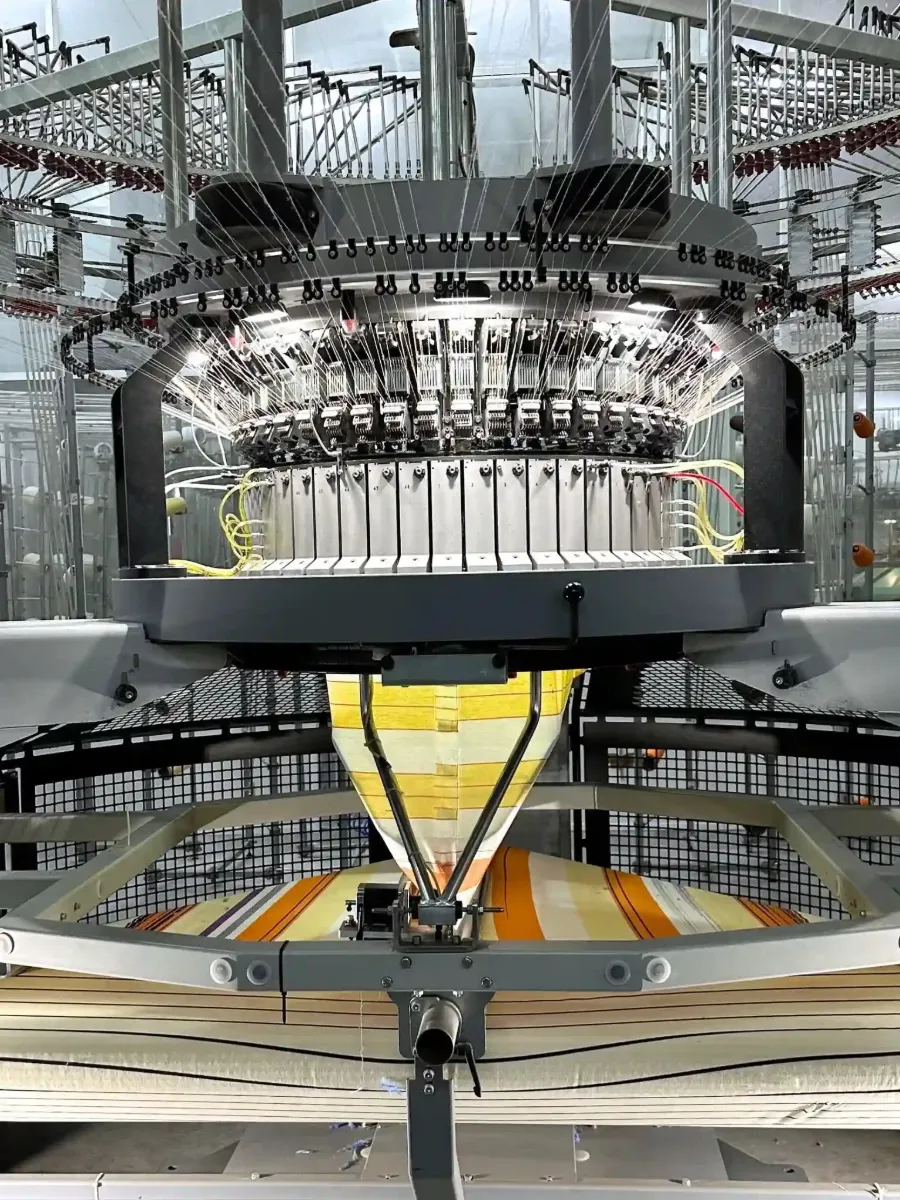
We Make Your Fabric From the Yarn to the Final Garment
Knitting, dyeing, finishing, cutting and sewing under one roof. One partner from the first yarn to the finished collection, with quality control at every step.
- Yarn
- Knitting
- Dyeing
- Finishing
- Cutting
- Sewing
Fabric images are for reference. Final colour, texture and weight are confirmed on your physical sample. Weights are typical ranges and every fabric can be produced to your spec.